Why One Iowa-Based Company Opened a Primary Care Clinic Near Its Office
•March 2, 2026
0
Key Takeaways
- •Pella launched on-site wellness center for 2,500 employees.
- •Partnership with Premise Health enables high‑touch, high‑tech care.
- •Center offers primary, behavioral, pharmacy services at low co‑pay.
- •Expected 30% care cost reduction versus off‑site providers.
- •Utilization drives ROI; larger firms see stronger returns.
Summary
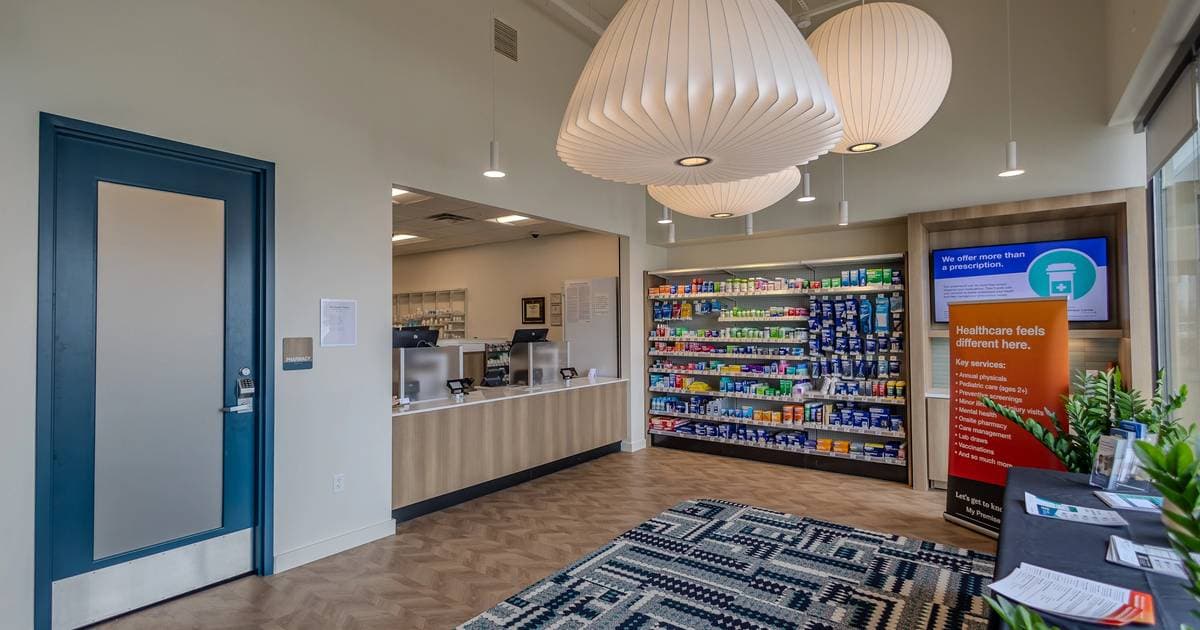
Pella Corporation opened a wellness center five minutes from its Iowa headquarters, offering primary care, behavioral health, and pharmacy services to its 2,500 employees. The clinic was built in partnership with Premise Health, which designed a high‑touch, high‑tech model that provides same‑day or next‑day appointments both on‑site and virtually. Employees pay a modest $0‑$30 co‑pay, while the company expects the center to curb rising health‑care costs. Premise Health estimates on‑site clinics can cut total care expenses by about 30% compared with traditional off‑site care.
Pulse Analysis
The shortage of primary‑care physicians has left millions of Americans struggling to access basic health services, prompting employers to explore on‑site clinics as a strategic solution. Companies like Google and now Pella are investing in workplace health hubs to bridge the gap, recognizing that convenient access not only improves employee health outcomes but also reduces absenteeism and turnover. By situating care within walking distance of the office, firms can encourage routine check‑ups and early intervention, which are proven to lower overall health‑care spending.
Pella’s partnership with Nashville‑based Premise Health illustrates a data‑driven approach to employee health. Premise analyzed claims from the manufacturer’s workforce and recommended an advanced primary‑care model that integrates physical, mental, and social health services. The clinic’s design emphasizes “high touch and high tech,” offering same‑day appointments, virtual visits, and minimal wait times, all for a co‑pay as low as $0‑$30. This model reduces friction in care navigation, making it easier for workers to seek treatment before conditions become acute.
Financially, on‑site clinics are positioned to deliver significant cost savings. Premise Health reports a 30% reduction in total care costs for members using its facilities, driven by fewer emergency‑room visits and hospital admissions, and higher rates of preventive care. For Pella, where health‑care premiums are projected to rise over 9% this year, even modest utilization could translate into millions of dollars saved. As larger employers see stronger ROI from higher utilization, the trend toward workplace health centers is likely to accelerate, reshaping benefits strategies across the corporate landscape.
Comments
Want to join the conversation?