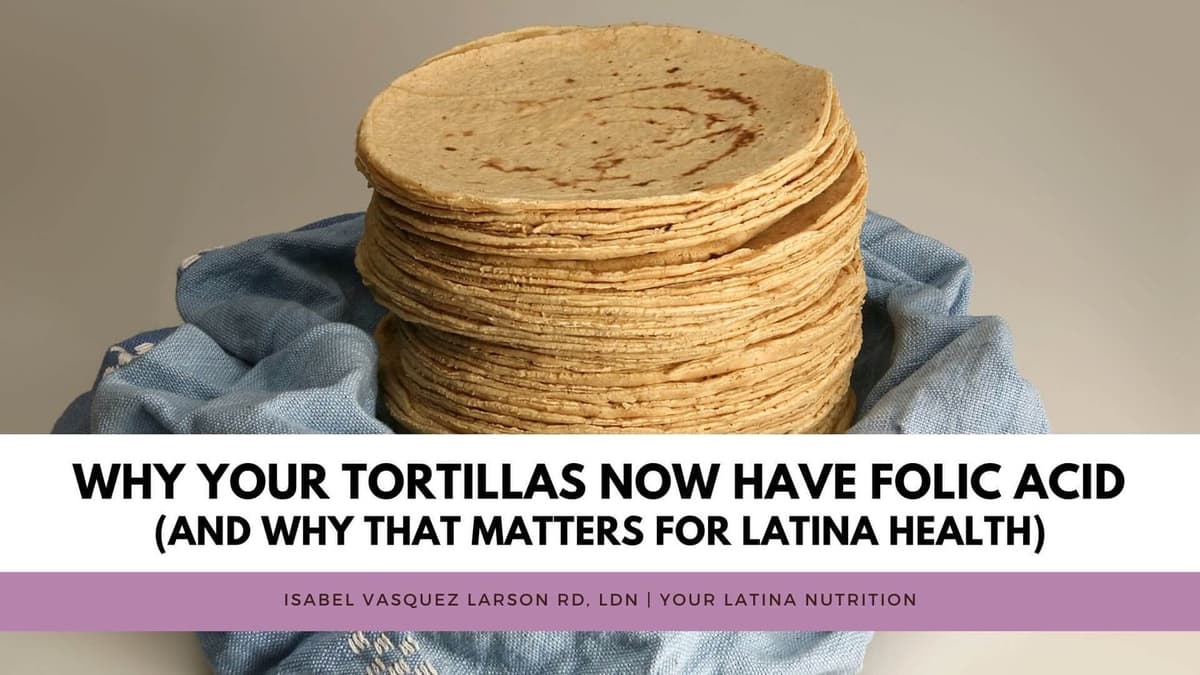
Why Your Tortillas Now Have Folic Acid (And Why That Matters for Latina Health)
Key Takeaways
- •California mandates folic acid in mass‑produced corn masa starting 2026
- •Study shows 31% drop in spina bifida after law’s enactment
- •Small‑batch tortilla makers remain exempt, preserving traditional recipes
- •Critics argue fortification ignores deeper socioeconomic health determinants
Pulse Analysis
California’s new folic‑acid mandate for mass‑produced corn masa reflects a shift toward culturally specific nutrition policy. While the federal government has required fortification of wheat‑based grains since 1998, corn‑based staples—particularly tortillas—remained untouched, leaving Latina communities with lower dietary folate. By leveraging a daily food item that many households already consume, the state aims to close the nutrient gap that contributes to higher rates of neural‑tube defects among Latina infants.
Data from the first two years of implementation are striking: spina bifida cases fell 31% and anencephaly 16% among births in California, echoing the rapid impact seen after the 1998 grain‑fortification rollout. Researchers attribute the improvement to increased folate intake from fortified tortillas, a staple for many Mexican‑American families who might otherwise obtain limited folic acid from bread or pasta. The exemption for small‑batch, artisan producers preserves traditional flavors while still delivering public‑health benefits through the dominant commercial supply chain.
Nevertheless, the policy has sparked a nuanced debate. Critics argue that fortification alone cannot resolve systemic issues such as poverty, food insecurity, and limited access to prenatal care that also drive nutrient deficiencies. Others worry about potential taste changes, though most consumers report negligible differences. The California model may serve as a template for other states seeking to blend cultural relevance with preventive health, but it also underscores the need for complementary strategies that address the broader social determinants of health.
Why Your Tortillas Now Have Folic Acid (And Why That Matters for Latina Health)
Comments
Want to join the conversation?