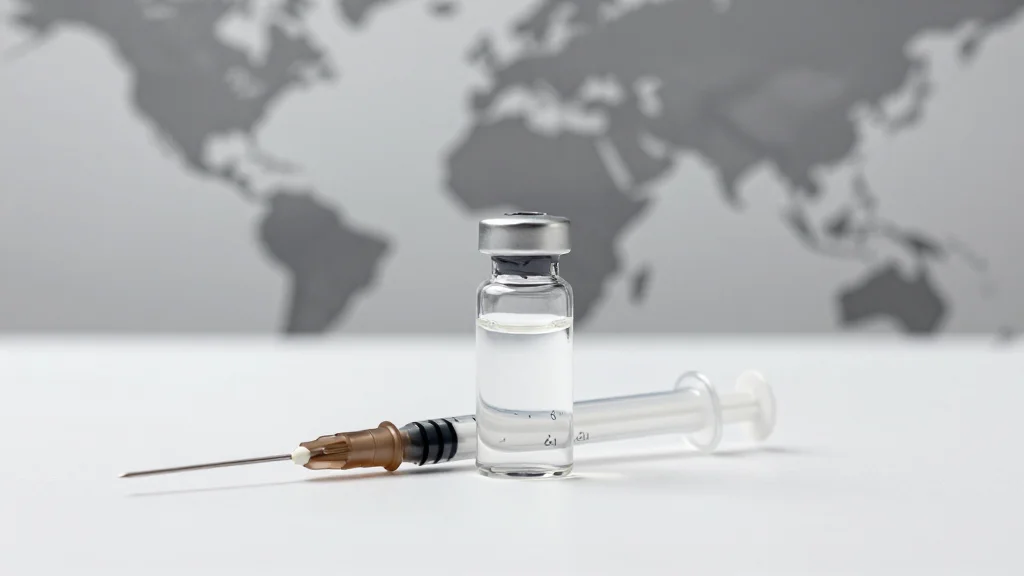
Meiji Seika Pharma Invests in Centivax to Develop Universal Influenza Vaccine
Participants
Why It Matters
Declining vaccine coverage fuels preventable disease outbreaks, straining health systems and jeopardizing decades of public‑health progress. Addressing these gaps is critical for global health security and economic stability.
Key Takeaways
- •Vaccines saved >150 million lives in 50 years, 4M annually.
- •Measles cases rose to 10.3M globally in 2023; US 1,714 in 2026.
- •Global first-dose measles coverage 84% in 2024, below 95% herd immunity threshold.
- •Sudan DTP1 coverage dropped to 48% in 2024 amid conflict.
- •Pfizer/Valneva Lyme vaccine showed >70% efficacy in Phase III trial.
Pulse Analysis
World Immunization Week 2026 brings renewed focus to vaccines as a cornerstone of public health, echoing the WHO’s Immunization Agenda 2030 goals. The latest mid‑term review highlights that immunizations have prevented more than 150 million deaths over the past half‑century and continue to save roughly four million lives annually. While global infant DTP coverage hovers near 89%, the same report flags a concerning plateau in measles immunization, with first‑dose coverage at 84%—well short of the 95% threshold needed to halt transmission.
Coverage erosion is now manifesting in tangible outbreaks. In 2023, measles infected an estimated 10.3 million people worldwide, and the United States recorded 1,714 confirmed cases by April 2026, up sharply from previous years. The decline is linked to waning MMR uptake among kindergarteners, dropping from 95.2% in 2019‑20 to 92.5% in 2024‑25, leaving hundreds of thousands of children vulnerable. Conflict‑affected regions face even steeper setbacks; Sudan’s DTP1 coverage fell to 48% in 2024, and half of its health facilities are non‑functional, amplifying the risk of measles, polio and cholera outbreaks.
Despite these challenges, vaccine innovation remains robust. Pfizer and Valneva reported over 70% efficacy for their investigational Lyme disease vaccine in a Phase III trial, marking a breakthrough in a disease lacking a human vaccine. Parallel efforts include Meiji Seika’s investment in universal influenza platform Centi‑Flu 01 and WHO’s prequalification of a novel oral polio vaccine to bolster outbreak response. Complementary delivery solutions, such as Gavi’s partnership with Zipline to deploy drones in Nigeria’s Kaduna State, aim to reach zero‑dose communities, underscoring a multi‑pronged strategy to sustain and expand immunization gains.
Deal Summary
Japanese pharmaceutical company Meiji Seika Pharma announced an investment in US biotech Centivax to advance its universal influenza vaccine candidate, Centi-Flu 01, currently in Phase I testing. The amount was not disclosed. The investment aims to accelerate development of a next‑generation flu vaccine platform.
Comments
Want to join the conversation?
Loading comments...