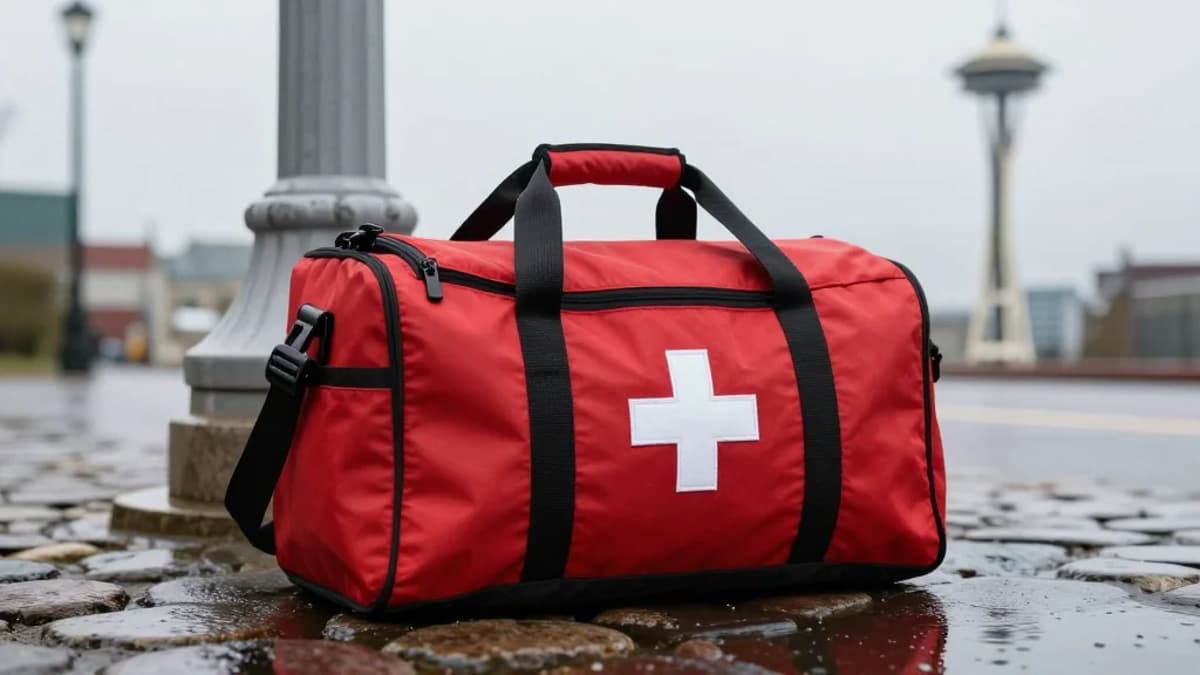
10-Hour Ambulance Delay Puts Seattle’s 911 Call Triage Under Scrutiny
•March 9, 2026
0
Why It Matters
The incident reveals how exempting nurse‑ordered transports from performance standards can jeopardize patient safety and erode public trust in emergency services.
Key Takeaways
- •Seattle stopped tracking ambulance response times in 2022
- •Nurse Navigation program exempts nurse‑ordered rides from response standards
- •Hogan waited ten hours before ambulance was dispatched and left
- •Contract penalties for delays were removed for nurse‑ordered calls
- •Experts demand transparency and oversight of outsourced emergency services
Pulse Analysis
Seattle’s fire department has increasingly relied on a for‑profit ambulance contractor, American Medical Response (AMR), to handle the bulk of its 911 transports, a model that grew after the pandemic strained staffing. In February 2022 the city launched the Nurse Navigation program, routing many low‑acuity calls to a remote nurse line based in Texas. Proponents argued that clinical triage would divert non‑emergent patients, reduce unnecessary ER visits, and free ambulances for true emergencies. The arrangement also shifted billing to patients while promising faster response times for critical calls.
The tragic ten‑hour wait experienced by 71‑year‑old Pamela Hogan exposes critical gaps in that model. After her initial 911 call was transferred to the nurse line, the nurse ordered an ambulance with a four‑hour window, yet the city’s contract exempted such rides from the 11½‑minute and one‑hour response standards that applied to other calls. Because Seattle stopped tracking these waits in 2022, officials lack data to assess performance, and AMR faced no penalties for the delay. Hogan’s case illustrates how opaque metrics can mask systemic failures and endanger vulnerable patients.
Nationally, many municipalities are experimenting with telephone‑triage and outsourced EMS, but experts warn that without rigorous oversight the benefits can be outweighed by safety risks. Transparent reporting of all ambulance response times, regardless of dispatch source, is essential for accountability. Contract language should reinstate performance benchmarks for nurse‑ordered transports and include real‑time monitoring to trigger rapid reassessment when delays exceed thresholds. As health‑care costs rise and social services shrink, reliable 911 service remains a public health cornerstone; Seattle’s experience may prompt other cities to reevaluate similar arrangements.
10-hour ambulance delay puts Seattle’s 911 call triage under scrutiny
0
Comments
Want to join the conversation?
Loading comments...