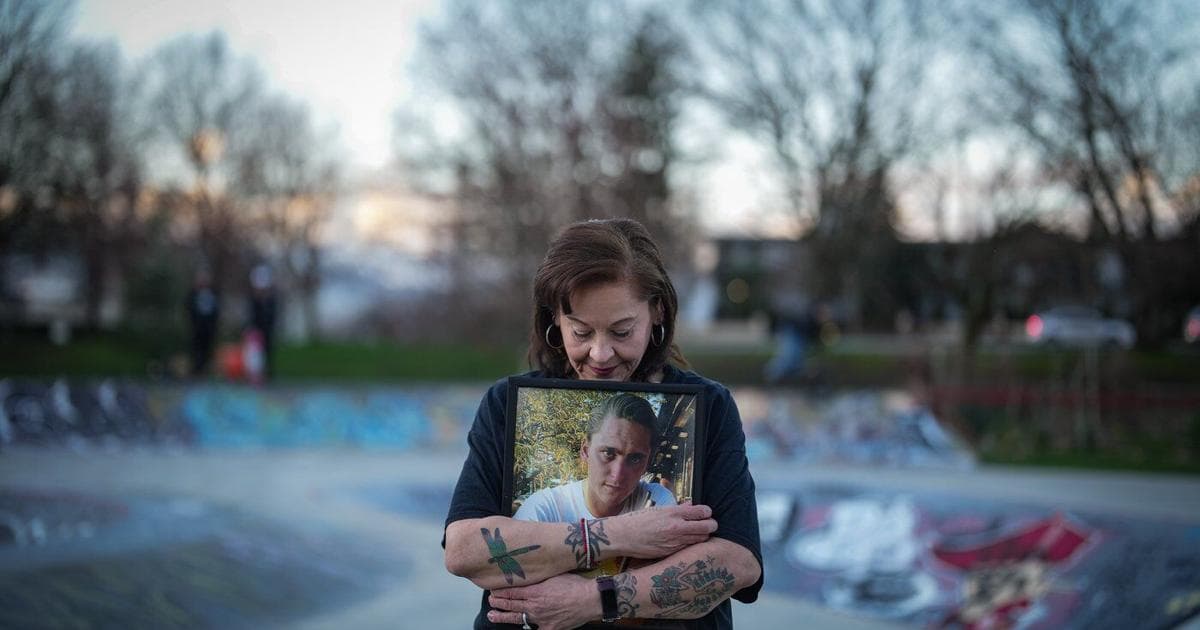
18,000 Lives Later, B.C. Marks 10 Years Since Declaring Overdose Emergency
Why It Matters
The retreat from decriminalization signals a shift in policy that could stall progress against overdose deaths, while continued advocacy highlights the need for sustained, evidence‑driven investment across Canada.
Key Takeaways
- •Over 18,000 British Columbians have died from overdoses in past decade
- •Annual deaths peaked above 2,000, fell to 1,833 in 2025
- •BC ended its decriminalization pilot, citing lack of results
- •Advocates demand renewed funding for harm‑reduction and evidence‑based services
Pulse Analysis
The ten‑year anniversary of British Columbia’s overdose emergency underscores a public‑health tragedy that has claimed more than 18,000 lives since 2016. The province recorded 474 illicit‑drug deaths in 2015, a figure that surged to over 2,000 annually before dipping to 1,833 in 2025—a 21 percent decline yet still four times the 2014 toll. Memorials across Victoria, Prince George, Cranbrook and Powell River, along with a national webinar on Indigenous harm‑reduction, reflect both grief and a renewed call for action. The scale of loss has reshaped policy discourse across Canada.
BC’s early reputation as a drug‑policy pioneer eroded after the province terminated its three‑year decriminalization trial, which had removed criminal penalties for small personal‑use amounts. Premier David Eby labeled the experiment a failure, while health officer Dr. Bonnie Henry suggested political pressure forced its end. The decision coincided with a rollback of key safer‑supply measures, prompting criticism that evidence‑based interventions are being sidelined for political expediency. Stakeholders argue that abandoning the pilot undermines harm‑reduction momentum and risks reversing the modest mortality decline achieved in recent years.
Advocacy groups such as Moms Stop the Harm and the Canadian Drug Policy Coalition are urging provincial and federal leaders to reinvest in proven strategies, including supervised consumption sites, expanded treatment capacity and culturally appropriate Indigenous approaches. Their demand for sustained funding reflects a broader consensus that the overdose crisis requires a coordinated, long‑term response rather than episodic pilots. As other jurisdictions watch BC’s policy reversal, the province’s experience may serve as a cautionary tale, reinforcing the importance of aligning political will with public‑health evidence to curb opioid‑related deaths nationwide.
18,000 lives later, B.C. marks 10 years since declaring overdose emergency
Comments
Want to join the conversation?
Loading comments...