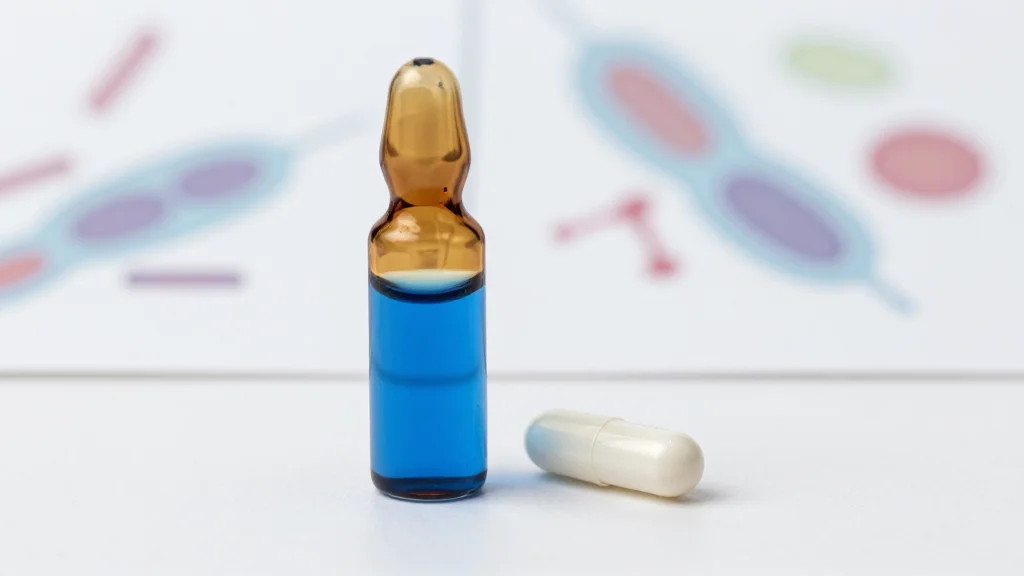
51 Cases that Reframe Methylene Blue Serotonin Syndrome
Key Takeaways
- •51 cases: 50 IV, 1 oral high dose, no low oral
- •FDA warning targets IV 1–8 mg/kg, not oral supplements
- •Oral 10 mg dose gives ~100× lower CNS MAO‑A exposure than IV threshold
- •No serotonin syndrome reported at oral doses ≤10 mg
- •EMR alerts ignore route/dose, restricting mitochondrial therapy for SSRI users
Pulse Analysis
Methylene blue has long been a double‑edged sword in medicine. The FDA’s 2011 safety communication focused on intravenous administration during surgery, where doses of 1–8 mg per kilogram can instantly flood the bloodstream and inhibit monoamine oxidase‑A, precipitating serotonin syndrome in patients already on SSRIs. Those warnings were based on a narrow set of peri‑operative cases, not on the growing use of the compound as a low‑dose oral mitochondrial enhancer. Understanding that context is essential for clinicians who must balance regulatory guidance with emerging therapeutic strategies.
Pharmacokinetic studies reveal a stark contrast between routes. An oral 10 mg tablet—roughly 0.14 mg/kg for a 70‑kg adult—undergoes extensive first‑pass metabolism, yielding systemic exposure about fifteen times lower than an equivalent IV dose. When combined with the roughly fourteen‑fold lower dose itself, the net central nervous system exposure drops by a factor of about one hundred compared with the IV threshold that triggered the FDA alert. No documented cases of serotonin syndrome exist at these oral levels, underscoring a wide safety margin that many electronic alerts fail to recognize.
The practical fallout is significant. Automated EMR warnings and pharmacist cautions that treat any methylene blue‑SSRI combination as contraindicated create a no‑cebo effect, discourage clinicians from prescribing a potentially valuable supplement, and leave patients with lingering fatigue and brain fog without recourse. Updating decision‑support tools to incorporate dose and route, and educating pharmacy staff on the pharmacology, can restore access to a low‑risk, mitochondria‑supporting therapy for the many patients already on serotonergic antidepressants. This nuanced approach aligns safety with evidence, ensuring that warnings protect without unnecessarily restricting care.
51 cases that reframe methylene blue serotonin syndrome
Comments
Want to join the conversation?