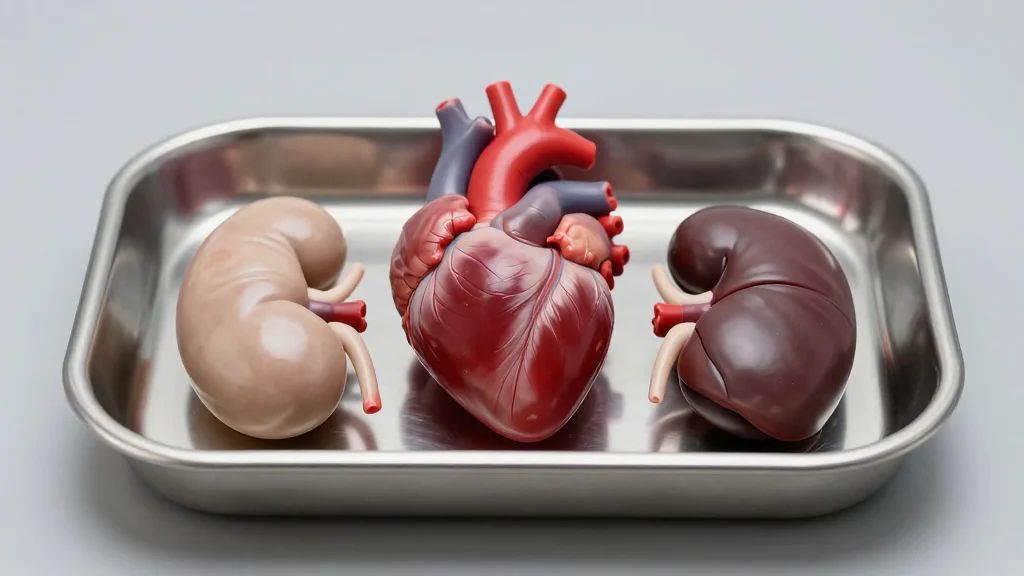
9 Reasons To Consider Becoming an Organ Donor
Companies Mentioned

Why It Matters
With organ demand outpacing supply, expanding donor registration directly reduces mortality and eases pressure on transplant systems, delivering measurable health‑care and societal benefits.
Key Takeaways
- •49,000 donors in 2025, but 103,000 on waitlist.
- •One donor can help over 80 recipients, including tissues.
- •Living donation fills gap; kidneys and liver segments are viable.
- •All transplant costs covered by donor program, not families.
- •Registration takes under five minutes; age isn’t a barrier.
Pulse Analysis
Organ scarcity remains a pressing challenge for U.S. healthcare, as more than 103,000 patients sit on the national transplant waiting list. The 2025 record of 49,000 donors—while a milestone—still falls short of demand, underscoring the need for broader public participation. Each additional donor not only adds a potential organ but also expands the pool of viable tissues, amplifying the ripple effect across hospitals, insurers, and families who otherwise face prolonged illness or death.
Beyond the sheer numbers, the personal and economic incentives for donation are compelling. A single donor can directly benefit up to eight organ recipients and an additional 75 tissue recipients, translating into lives saved and quality‑of‑life improvements. Importantly, all transplantation costs are absorbed by donor programs and the recipient’s insurance, eliminating financial barriers for families. Living donation further bridges the gap; healthy individuals can safely donate a kidney or a portion of their liver, with recovery rates that support continued productivity and minimal long‑term health impact.
Cultural acceptance and myth‑busting are equally vital. Major religious and ethnic groups largely endorse donation, and misconceptions—such as altered medical care or disfigurement—have been debunked by transplant specialists. The registration process is streamlined, often completed in under five minutes, and age is no longer a disqualifier. For policymakers and health‑system leaders, encouraging donor enrollment can lower transplant wait times, reduce overall treatment costs, and foster a more resilient organ supply chain, ultimately delivering a measurable public‑health advantage.
9 Reasons To Consider Becoming an Organ Donor
Comments
Want to join the conversation?
Loading comments...