A Brain Implant for Depression Is About to Be Tested in Humans
Why It Matters
If successful, the implant could provide a rapid, at‑home alternative to current invasive or time‑intensive depression therapies, opening a new market for neuro‑psychiatric devices.
Key Takeaways
- •FDA green‑lights Motif Neurotech’s first‑in‑human depression implant trial
- •Device targets underactive central executive network with wireless, cap‑charged stimulation
- •20‑minute outpatient procedure aims to treat treatment‑resistant depression
- •Trial will enroll ~10 patients, tracking safety and symptom improvement
Pulse Analysis
The race to commercialize brain‑computer interfaces (BCIs) has largely centered on restoring movement or communication for people with paralysis, with high‑profile players such as Neuralink, Paradromics and Synchron dominating headlines. Yet the mental‑health sector represents a far larger unmet need: the U.S. treated roughly nine million adults for major depressive disorder in 2021, and nearly three million of them were classified as treatment‑resistant. Traditional interventions—pharmacotherapy, electroconvulsive therapy, and transcranial magnetic stimulation—either rely on systemic drugs or demand intensive clinic visits. A BCI that can modulate neural circuits directly from a patient’s home could reshape how clinicians address refractory depression.
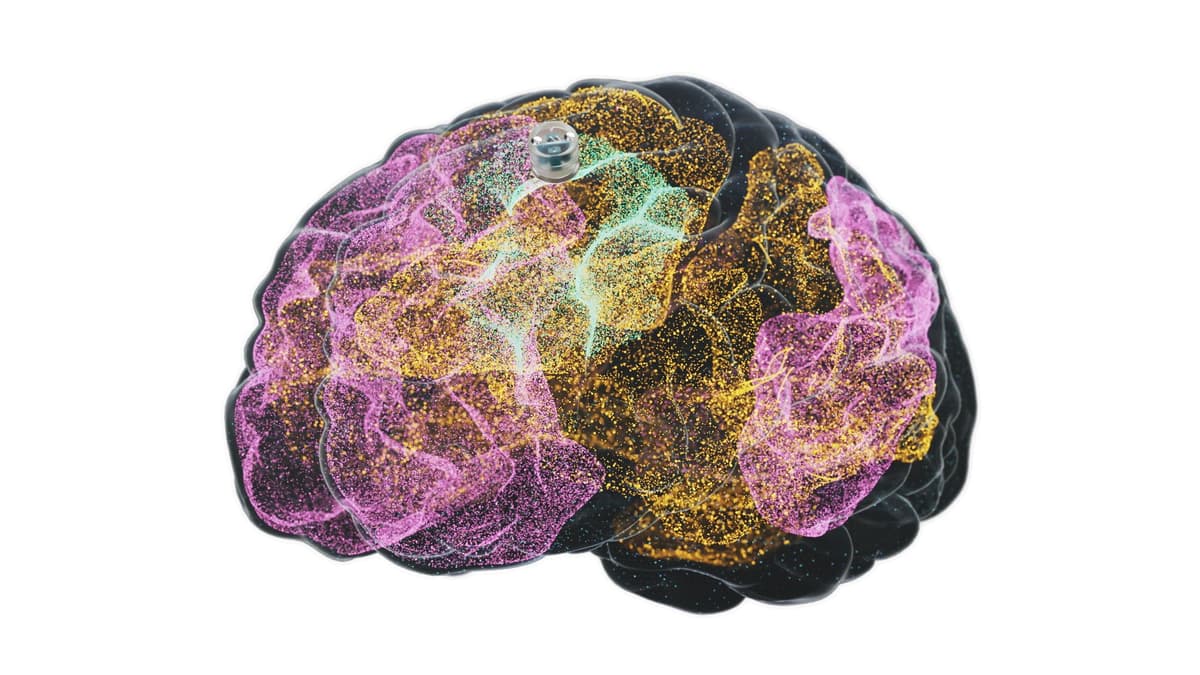
Motif Neurotech’s implant distinguishes itself by targeting the central executive network, a hub that is chronically underactive in depressive states. The device, roughly the size of a blueberry, is placed beneath the skull but above the dura, eliminating the need for deep brain surgery. Power and programming are delivered wirelessly through a cap that patients wear for short daily sessions, a design that blends convenience with precise dosing. The 20‑minute outpatient procedure promises rapid adoption, while the trial’s primary endpoint—12‑month safety and measurable symptom reduction—will provide the first human data on this approach.
Regulatory approval for a human study marks a pivotal moment for neuro‑psychiatric therapeutics, signaling that the FDA sees sufficient preclinical safety to move forward. Should the trial demonstrate meaningful remission within days, insurers and health systems may view the technology as a cost‑effective alternative to prolonged TMS courses or hospital‑based electroconvulsive therapy. Moreover, Motif’s roadmap includes bidirectional sensing, which could generate objective biomarkers for mood disorders—a long‑sought goal in psychiatry. Success could catalyze investment across the BCI landscape, expanding focus beyond motor restoration to a broader spectrum of brain‑based diseases.
A Brain Implant for Depression Is About to Be Tested in Humans
Comments
Want to join the conversation?
Loading comments...