Why It Matters
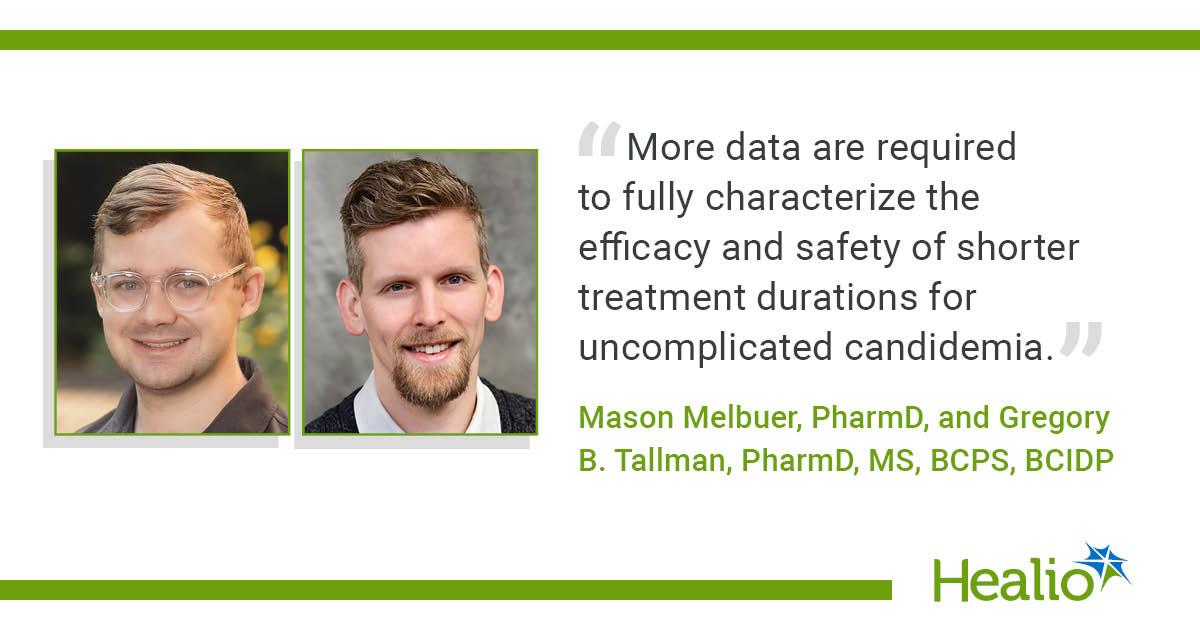
If shorter antifungal courses are validated, hospitals could cut length of stay, lower IV‑related complications, and reduce drug toxicity while preserving outcomes.
Key Takeaways
- •14‑day antifungal minimum stems from 30‑year‑old trial, not robust data
- •Pilot and retrospective studies show 5‑10‑day courses achieve similar cure rates
- •Uncomplicated candidemia defined by no immunosuppression, rapid culture clearance, source control
- •Shorter therapy could reduce hospital stay, IV line infections, and drug toxicity
Pulse Analysis
The 14‑day minimum for candidemia treatment has long been accepted as standard of care, yet its origin traces back to a single randomized trial conducted in the early 1990s. That study compared amphotericin B courses of 5‑7 days versus 14‑20 days in a small, non‑neutropenic cohort, and the guideline has persisted despite limited contemporary evidence. Prolonged intravenous therapy forces many patients to remain hospitalized solely for drug administration, exposing them to nosocomial infections, line‑related complications, and higher healthcare costs.
A growing body of observational research now questions the necessity of such extended regimens. A 1999 pilot study reported a 93% cure rate with a short 5‑7‑day course, while a 2022 retrospective analysis of 114 patients found no mortality difference between 5‑11‑day and 12‑24‑day treatments. More recent work comparing guideline‑adherent (median 14‑day) and non‑adherent (median 10.5‑day) therapy also showed equivalent 30‑day mortality and recurrence rates. These findings converge on a common theme: patients who are non‑neutropenic, have prompt source control, and clear blood cultures quickly may be overtreated under current recommendations.
The practical implication is a potential shift toward individualized therapy. A 2025 consensus definition of "uncomplicated" candidemia—absence of immunosuppression, illicit IV drug use, deep‑seated infection, and documented mycologic response by day five—offers clinicians a framework to identify low‑risk patients suitable for abbreviated courses. Implementing shorter regimens could shorten hospital stays, reduce exposure to nephrotoxic or hepatotoxic agents, and lower overall antifungal consumption, mitigating resistance pressures. Nonetheless, definitive evidence from a well‑designed randomized trial remains essential before practice guidelines can be revised, ensuring patient safety while embracing more efficient care models.
A candid look at antifungal treatment durations
Comments
Want to join the conversation?
Loading comments...