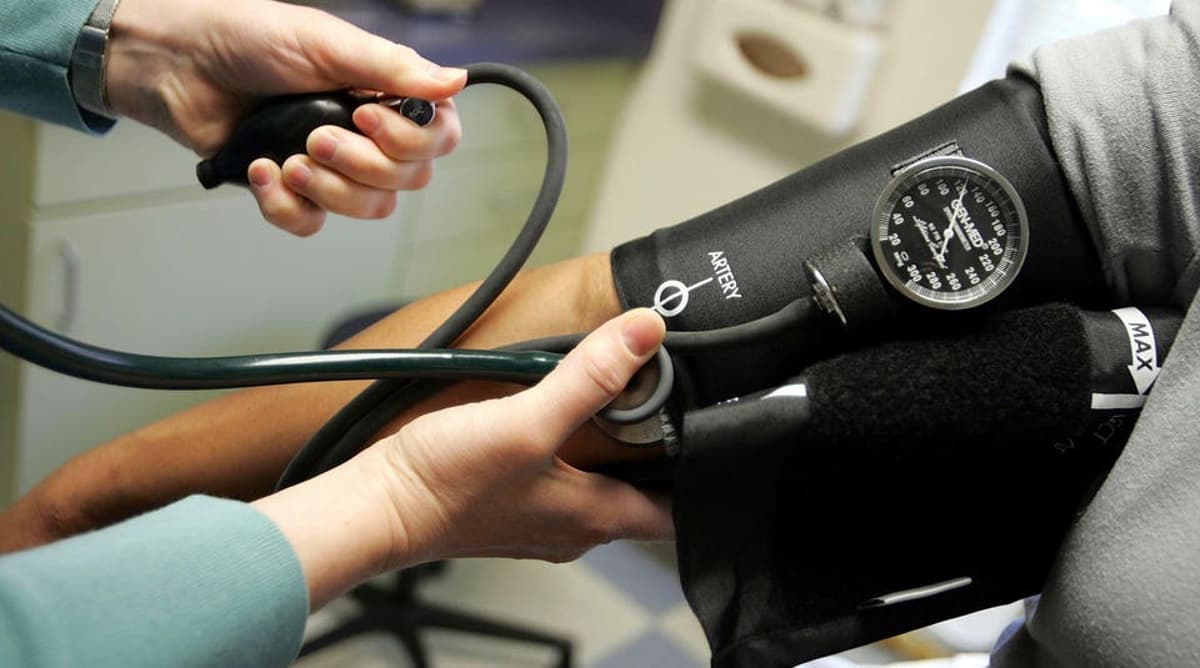
A Doctor Clears Up 5 Life-Threatening Misconceptions About Blood Pressure
•March 10, 2026
0
Why It Matters
Correcting these myths can improve treatment compliance, reducing cardiovascular events and mortality. Accurate public understanding is essential for lowering healthcare costs associated with uncontrolled hypertension.
Key Takeaways
- •High BP defined ≥130/80 since 2017.
- •Half of US adults have hypertension.
- •BP cannot be felt; it's often silent.
- •Medication must be taken daily, regardless of feelings.
- •Lifestyle intentions rarely replace consistent medication adherence.
Pulse Analysis
Hypertension remains a leading public‑health challenge, affecting nearly 50% of American adults and accounting for more than half a million deaths each year. The 2017 guideline shift by the American Heart Association lowered the high‑blood‑pressure threshold to 130/80 mm Hg, a change that many patients and even clinicians have yet to fully internalize. This redefinition underscores the urgency of early detection and consistent monitoring, as even modest elevations can accelerate heart disease, stroke, and kidney failure.
A persistent barrier to effective control is the myth that blood pressure can be sensed or that stress alone drives the condition. Research shows that 40% of adults mistakenly believe they can feel high blood pressure, reinforcing complacency and delayed testing. Moreover, patients often equate occasional medication with adequate treatment, ignoring the pharmacologic need for daily dosing to maintain stable vascular resistance. These misconceptions erode adherence, leading to fluctuating readings and heightened risk of acute events.
For healthcare providers, the solution lies in clear communication and reinforced education. Leveraging digital health tools—such as home cuff devices synced to electronic health records—can provide real‑time feedback and demystify the “silent” nature of hypertension. Public‑health campaigns must pivot from vague advice to concrete actions: define the new BP thresholds, stress daily medication, and separate emotional stress from chronic vascular pressure. By aligning patient perception with clinical reality, the healthcare system can curb preventable complications and reduce the economic burden of uncontrolled hypertension.
A Doctor Clears Up 5 Life-Threatening Misconceptions About Blood Pressure
0
Comments
Want to join the conversation?
Loading comments...