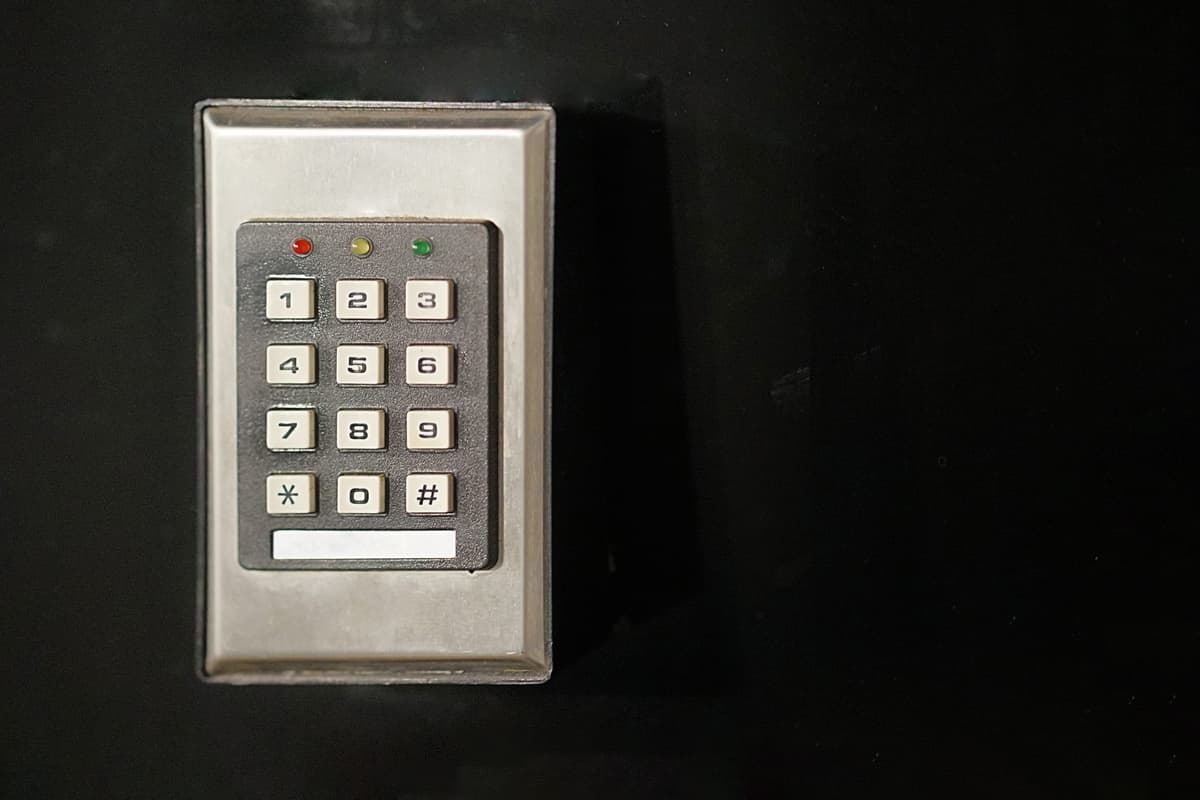
A Husband and Wife Escaped From a Locked Memory-Care Unit. He Solved the Door Code Just by Listening.
Why It Matters
The escape reveals a critical security flaw in assisted‑living facilities where audible side‑channels can expose access codes, underscoring the need for stronger safeguards as dementia‑related wandering remains a major safety challenge.
Key Takeaways
- •Husband decoded door code by listening to staff keypad entries
- •Escape exposed side‑channel risk of audible keypad sounds in care facilities
- •Dementia wandering affects 60% of residents, raising safety concerns
- •Facility responded by resetting codes, retraining staff, and paying $2,000 fine
- •Studies show up to 96% PIN recovery from sound alone
Pulse Analysis
The March 2020 breakout at the Elmcroft memory‑care unit reads like a spy thriller, but its real lesson is technical. A former military Morse‑code specialist used the subtle acoustic signatures of a keypad to reconstruct the four‑digit exit code, demonstrating a classic "side‑channel" attack where sound, timing, or vibration unintentionally leaks secret information. In environments where staff must repeatedly enter codes, each click becomes a data point that a determined listener can piece together, turning a routine security measure into a liability.
Beyond the novelty of the hack, the incident spotlights a persistent challenge in dementia care: wandering. The Alzheimer’s Association estimates that six in ten people with dementia will wander at least once, exposing them to traffic, weather, and injury. Facilities rely on locked doors and staff monitoring, yet the Elmcroft case shows that physical barriers can be bypassed without robust procedural controls. After the escape, Tennessee regulators tightened oversight, merging health‑service agencies and mandating stricter licensing reviews for memory‑care units, while the facility itself overhauled its keypad system and staff training.
Academic research reinforces the urgency. Experiments with ATM and laptop keyboards have recovered up to 96% of four‑digit PINs by analyzing keystroke sounds from a distance of 0.3 m, and similar accuracy has been achieved using smartphone microphones or video‑conference audio. For senior‑living operators, the practical steps are clear: adopt silent or tactile keypads, implement multi‑factor entry (e.g., badge plus code), and regularly audit acoustic emissions. By addressing both the human‑behavior aspect of dementia wandering and the technical side‑channel risk, the industry can better protect vulnerable residents while maintaining necessary security.
A Husband and Wife Escaped From a Locked Memory-Care Unit. He Solved the Door Code Just by Listening.
Comments
Want to join the conversation?
Loading comments...