Why It Matters
By turning radiosurgery into a frontline option and embedding AI, hospitals can treat more patients with fewer side effects, reshaping neuro‑oncology economics and expanding the market for precision‑radiation platforms.
Key Takeaways
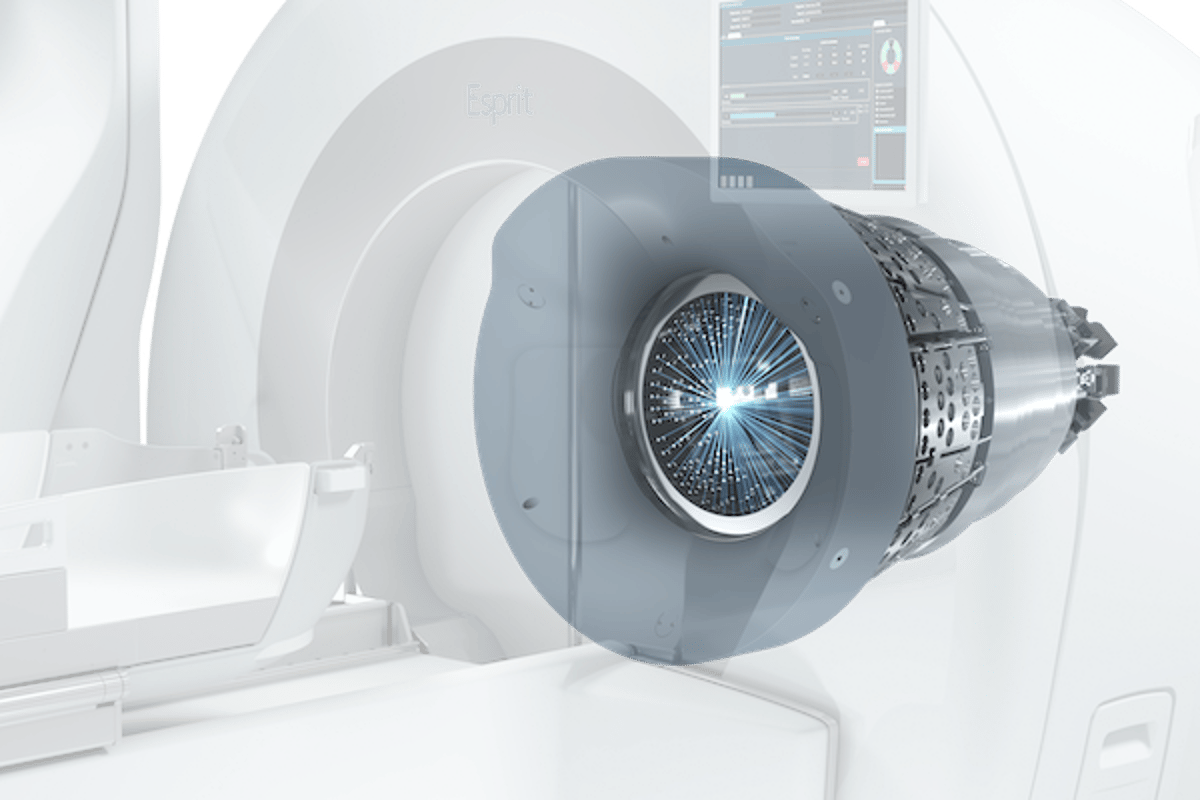
- •Gamma Knife Esprit offers 192 beams, millimeter accuracy.
- •AI-driven contouring speeds planning and improves dose prediction.
- •Radiologists now lead imaging, target delineation, follow‑up.
- •Quality‑of‑life metrics replace survival as primary endpoints.
- •Trials explore radiosurgery for OCD and other psychiatric disorders.
Pulse Analysis
Radiosurgery’s rapid ascent from a salvage technique to a primary treatment reflects a convergence of hardware innovation and imaging breakthroughs. The Elekta Gamma Knife Esprit’s 192‑beam architecture delivers steep dose gradients, sparing healthy tissue while achieving sub‑millimeter targeting. Coupled with next‑generation MRI—higher spatial resolution, reduced distortion, and 3D isotropic sequences—clinicians can delineate lesions and critical structures with unprecedented clarity, expanding eligibility to complex cases such as eloquent‑cortex tumors and vascular malformations.
Artificial intelligence is now woven into every stage of the Gamma Knife workflow. Deep‑learning models automate contouring and segmentation, cutting planning time and reducing inter‑observer variability. AI‑enhanced MRI sequences accelerate acquisition, while predictive algorithms, including large language models, forecast optimal dose‑fractionation schemes for individual brain metastases. This data‑driven approach not only improves procedural efficiency but also supports nuanced decision‑making, distinguishing true recurrence from radiation‑induced changes and enabling real‑time treatment adjustments.
The clinical narrative is shifting toward patient‑centric outcomes. Registries like Neuropoint Alliance demonstrate that radiosurgery preserves—and sometimes improves—quality‑of‑life metrics compared with conventional therapies. As safety margins tighten, practitioners are venturing into functional neurosurgery, applying precise tractography to treat obsessive‑compulsive disorder, chronic pain, and potentially depression. This broadened indication set promises new revenue streams for device manufacturers and positions radiosurgery as a versatile platform in the evolving landscape of neuro‑interventional care.
A New Standard of Care
0
Comments
Want to join the conversation?
Loading comments...