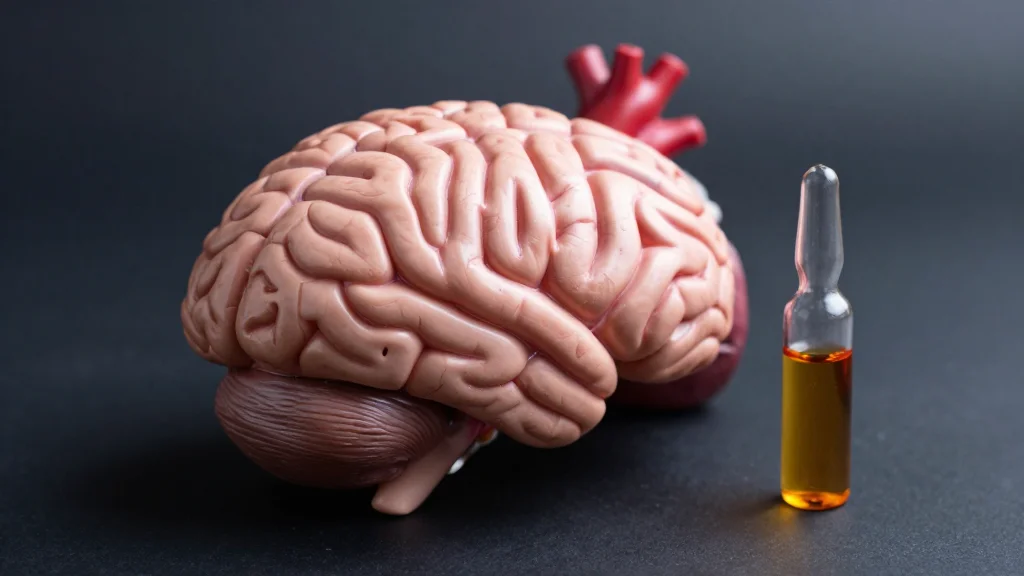
A New Study Suggests Heart Attacks Can Leave A Neurological “Aftershock”
Why It Matters
The research identifies a biological mechanism linking heart attacks to mental‑health disorders and cognitive decline, highlighting the need for integrated cardiac‑rehab programs that include neuro‑protective strategies.
Key Takeaways
- •Methylglyoxal builds up in brain after myocardial infarction
- •Elevated MG triggers neuroinflammation in cortex and brainstem
- •Inflammation weakens blood‑brain barrier, allowing harmful compounds entry
- •Links explain post‑MI depression, anxiety, and cognitive decline
- •Holistic rehab should address mental health and anti‑inflammatory nutrition
Pulse Analysis
The concept of a heart‑brain axis has moved from theory to measurable biology, and a new University of Ottawa study provides concrete evidence of that connection. Researchers observed that the metabolic by‑product methylglyoxal (MG) spikes in the brains of mice within hours of a myocardial infarction and remains elevated for days. MG accumulation was most pronounced in the cortex and brainstem—regions that govern mood, cognition, and autonomic control. By linking a cardiac event to a specific neurochemical change, the work narrows the gap between cardiovascular injury and subsequent neurological symptoms.
Elevated MG appears to act as a catalyst for neuroinflammation. The study documented heightened activation of microglia and macrophages, along with increased levels of TNF‑α and NF‑κB, classic inflammatory mediators. Simultaneously, the integrity of the blood‑brain barrier deteriorated, potentially permitting circulating inflammatory molecules to infiltrate the central nervous system. These biological cascades offer a plausible explanation for the high incidence of post‑heart‑attack depression, anxiety, and brain‑fog, and they echo earlier findings that MG is implicated in Alzheimer’s and other neurodegenerative disorders.
The clinical takeaway is clear: recovery protocols must expand beyond cardiac metrics to include mental‑health screening and anti‑inflammatory lifestyle interventions. Regular aerobic exercise, tight blood‑sugar control, omega‑3‑rich diets, and adequate sleep can mitigate MG production and its downstream effects. Physicians should proactively discuss mood changes and cognitive complaints with patients, integrating psychologists or neurologists into cardiac rehabilitation teams. Future research will need to confirm whether targeting MG directly—through pharmacologic scavengers or dietary modifications—can break the feedback loop that links heart disease to brain decline.
A New Study Suggests Heart Attacks Can Leave A Neurological “Aftershock”
Comments
Want to join the conversation?
Loading comments...