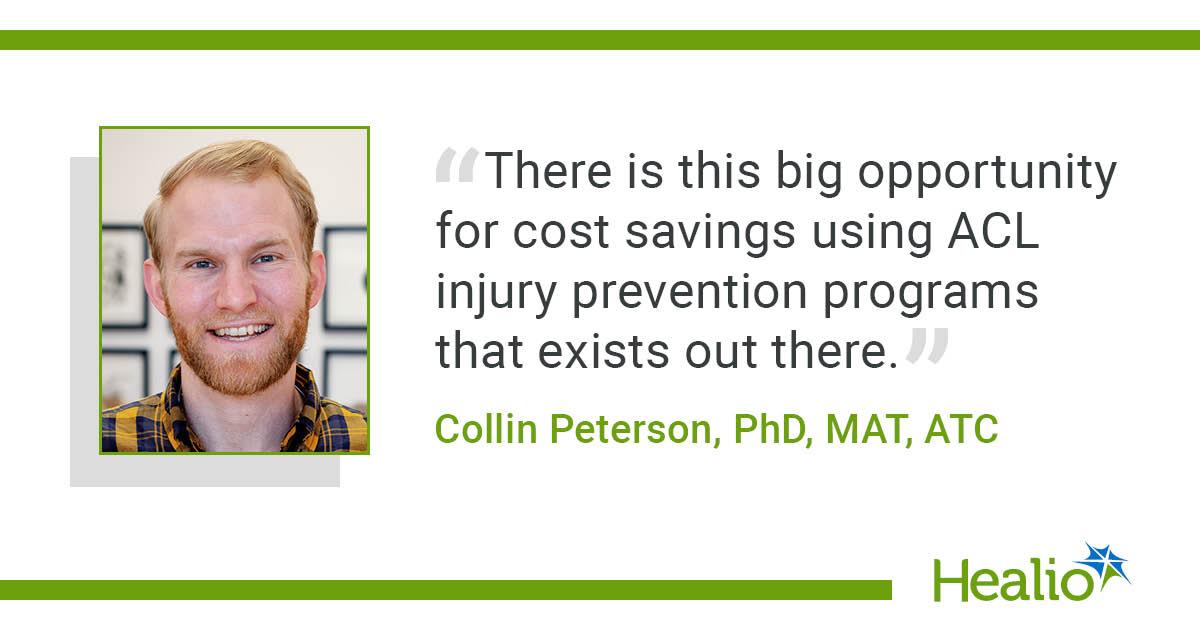
ACL Injury Prevention Programs May Reduce Health Care Costs
Why It Matters
The analysis shows a low‑cost preventive routine can slash medical expenses and protect young athletes, making it a compelling investment for schools, insurers, and health systems.
Key Takeaways
- •Program could save > $60 million in national health costs.
- •ROI reaches $7.51 per dollar spent overall.
- •Private insurers profit; public payers break even.
- •Coach compliance remains primary implementation barrier.
- •Real‑world trials needed to validate economic projections.
Pulse Analysis
Anterior cruciate ligament (ACL) tears remain a leading source of orthopedic injury among high‑school athletes, especially in soccer, where rapid direction changes stress the knee. Treatment often involves costly surgery, extensive rehabilitation, and long‑term risk of osteoarthritis, driving up both direct medical expenses and indirect costs such as missed school and reduced athletic participation. Preventive programs that target modifiable biomechanical factors—simple neuromuscular drills integrated into warm‑ups—have demonstrated clinical efficacy, but their broader economic impact has only recently been quantified.
The study published in the Journal of Athletic Training applied a national simulation to the 2018‑2019 high‑school soccer season, comparing program implementation costs with avoided treatment expenses. The analysis revealed an overall ROI of $7.51 per dollar spent and $6.90 per dollar for surgical cases, translating into a net monetary benefit exceeding $60 million across the United States. Private payers reap clear financial gains, whereas public insurers approach a break‑even point, highlighting how payer mix influences cost‑effectiveness. These figures underscore that modest investments in preventive warm‑ups can produce outsized savings, reinforcing the business case for schools and health‑care systems to allocate resources toward injury‑prevention infrastructure.
Despite the compelling economics, adoption faces cultural and logistical hurdles. Coaches often perceive the programs as time‑consuming or unnecessary, leading to low compliance. Expanding implementation will require a health‑systems approach—engaging school administrators, athletic directors, insurers, and medical providers—to embed the routines into standard practice and provide accountability mechanisms. Future research should move beyond simulation to real‑world pilots that measure actual cost reductions and health outcomes, paving the way for scalable, evidence‑based strategies that protect athletes while delivering measurable financial returns.
ACL injury prevention programs may reduce health care costs
Comments
Want to join the conversation?
Loading comments...