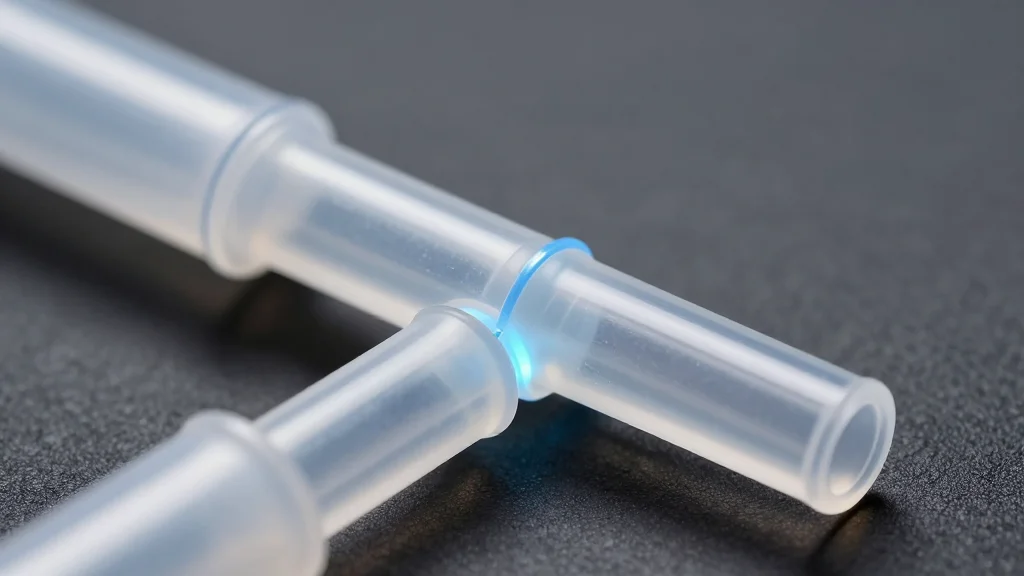
Adhesive Bonding of Plastics in Medical Device Applications
Why It Matters
Effective adhesive solutions enable reliable, compliant medical devices, directly influencing product safety, manufacturing efficiency, and market competitiveness in a fast‑growing industry.
Key Takeaways
- •Low surface energy of plastics hinders adhesive wetting.
- •Surface treatments like plasma boost polarity for stronger bonds.
- •Medical adhesives must meet USP Class VI and ISO 10993‑5.
- •Sterilization resistance essential for reusable devices.
- •UV and dual‑cure adhesives accelerate disposable device production.
Pulse Analysis
The medical‑device sector is on a steep growth trajectory, with forecasts pushing total market value to roughly $656 billion by 2032. Plastics dominate component design because they are lightweight, cost‑effective, and versatile, yet their low surface energy and variable crystallinity create bonding hurdles that traditional methods struggle to overcome. Adhesive technologies fill this gap, offering the flexibility to join plastics to metals, glass, or ceramics while maintaining the precision required for high‑performance medical applications.
Successful bonding hinges on surface preparation and chemistry. Techniques such as plasma, corona, flame, or ozone treatment increase surface polarity, allowing adhesives to achieve better wetting and mechanical interlock. Formulations range from high‑strength epoxies, prized for chemical stability, to silicone‑based systems that accommodate thermal expansion mismatches. Crucially, any adhesive used in a medical context must satisfy USP Class VI and ISO 10993‑5 biocompatibility standards, ensuring no toxic leachables compromise patient safety. Equally important is resistance to sterilization processes—steam autoclaving, gamma irradiation, and chemical agents—so that reusable devices retain performance across multiple cycles.
From a strategic standpoint, manufacturers must align adhesive selection with product lifecycle goals. Disposable devices benefit from rapid‑cure UV or dual‑cure adhesives that boost throughput and reduce cycle time, while reusable instruments demand durable, sterilization‑resistant formulations. Companies like Master Bond leverage extensive R&D to tailor adhesive chemistries, providing technical support that shortens development timelines and mitigates regulatory risk. As the industry pushes toward more complex, multi‑material designs, adhesive bonding will remain a critical enabler of innovation and cost‑effective production.
Adhesive Bonding of Plastics in Medical Device Applications
Comments
Want to join the conversation?
Loading comments...