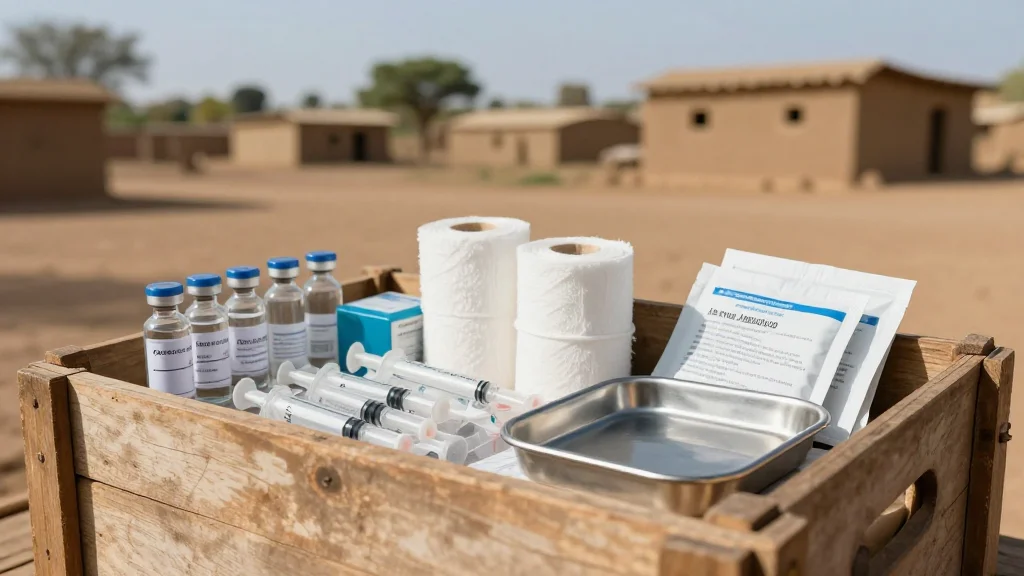
After Three Years of Conflict, Sudan Faces a Deeper Health Crisis
Why It Matters
The collapsing health system threatens millions with preventable disease and death, undermining regional stability and increasing global humanitarian costs. Immediate protection of health care and funding are critical to avert a broader public‑health catastrophe.
Key Takeaways
- •34 million Sudanese need aid; 21 million lack health services.
- •37% of health facilities non‑functional; 217 attacks verified since April 2023.
- •Over 4 million acutely malnourished; disease outbreaks span malaria to polio.
- •WHO delivered 3 300 metric tons supplies, reached 4.1 million patients.
Pulse Analysis
The three‑year civil war in Sudan has morphed into the world’s largest ongoing health emergency. With 34 million people requiring assistance and more than half the population cut off from basic medical care, the crisis eclipses previous humanitarian disasters in the region. Outbreaks of malaria, dengue, measles, circulating vaccine‑derived poliovirus and cholera now span the country’s 18 states, while acute malnutrition affects over 4 million individuals, creating a perfect storm of disease, hunger and displacement. The deteriorating health landscape threatens to spill over borders, raising concerns for neighboring nations and global health security.
WHO’s on‑the‑ground response has become the backbone of Sudan’s fragmented health system. 1 million patients. Vaccination campaigns have reached 46 million people, delivering cholera, polio, diphtheria, measles and rubella shots, and introducing the first malaria vaccine in the region. Yet 217 documented attacks on health facilities and the loss of 37% of hospitals continue to hamper service delivery and endanger health workers.
The persistence of violence makes humanitarian funding a race against time. Donor contributions have kept life‑saving supplies flowing, but gaps remain, and unrestricted access to all regions is still denied. Experts warn that without a durable cease‑fire, the health system will collapse further, amplifying mortality and fueling migration pressures. International actors therefore stress that peace is the ultimate therapeutic intervention; only a stable environment can enable long‑term reconstruction, strengthen disease surveillance, and secure the substantial investments needed to rebuild Sudan’s health infrastructure.
After three years of conflict, Sudan faces a deeper health crisis
Comments
Want to join the conversation?
Loading comments...