AI Learning Model Predicted Cognitive Status in Patients With MS
Companies Mentioned
Why It Matters
Accurate AI‑driven predictions enable personalized monitoring and earlier therapeutic interventions, potentially mitigating disability progression in MS.
Key Takeaways
- •AI model predicted MS cognitive decline with 90% validation accuracy.
- •12% of patients experienced cognitive worsening over ~3.4 years.
- •Explainable AI highlighted specific brain regions tied to impairment.
- •Study limited by class imbalance and lack of external validation.
- •Personalized assessments could enable earlier interventions for MS patients.
Pulse Analysis
Cognitive deficits affect up to a third of people with multiple sclerosis, compromising daily functioning and quality of life. Traditional monitoring relies on periodic neuropsychological testing, which can miss subtle early changes. Recent advances in machine learning have shown promise in extracting complex patterns from combined clinical and imaging data, offering a potential shortcut to earlier detection. The new multimodal AI approach builds on this momentum by integrating MRI scans with detailed clinical metrics, delivering a robust predictive framework that aligns with the broader push toward data‑driven neurology.
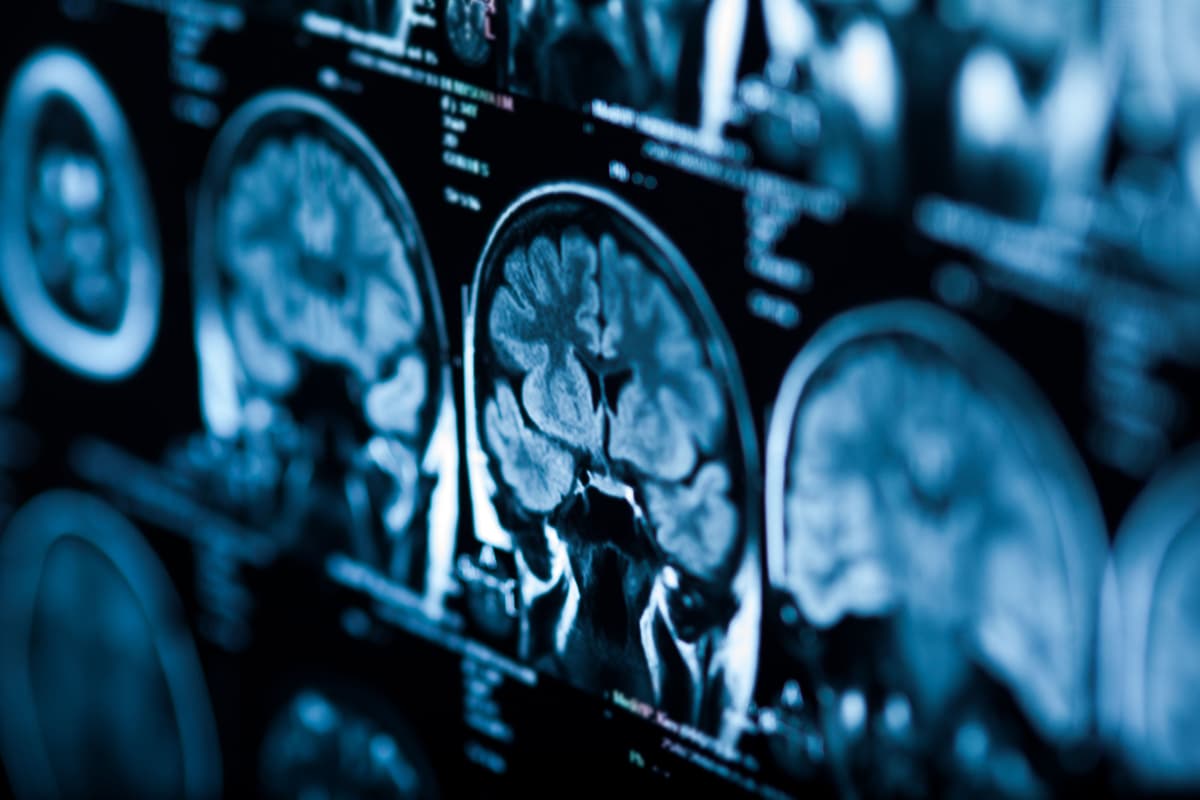
The Italian cohort study evaluated 224 MS patients and 115 controls, requiring two neuropsychological assessments spaced at least one year apart. Using a blend of structural MRI features and variables such as disease‑modifying treatment status, Expanded Disability Status Scale scores, and quality‑of‑life measures, the model achieved a mean validation accuracy of 90%, an F1‑score of 81%, and an AUC of 0.89. Explainability analyses identified regions like the thalamus and corpus callosum—areas already implicated in MS‑related cognitive decline—thereby reinforcing the model’s clinical plausibility and fostering clinician trust.
While the performance metrics are compelling, the study’s limitations temper immediate clinical adoption. The dataset exhibited a pronounced class imbalance, with only 12% of participants showing cognitive deterioration, and the model has yet to be tested in external populations. Nonetheless, the ability to flag patients at risk before overt decline could reshape care pathways, prompting proactive cognitive rehabilitation or treatment adjustments. As health systems increasingly prioritize personalized medicine, AI tools that combine neuroimaging with real‑world clinical data are poised to become valuable assets in managing chronic neurological diseases like multiple sclerosis.
AI Learning Model Predicted Cognitive Status in Patients With MS
Comments
Want to join the conversation?
Loading comments...