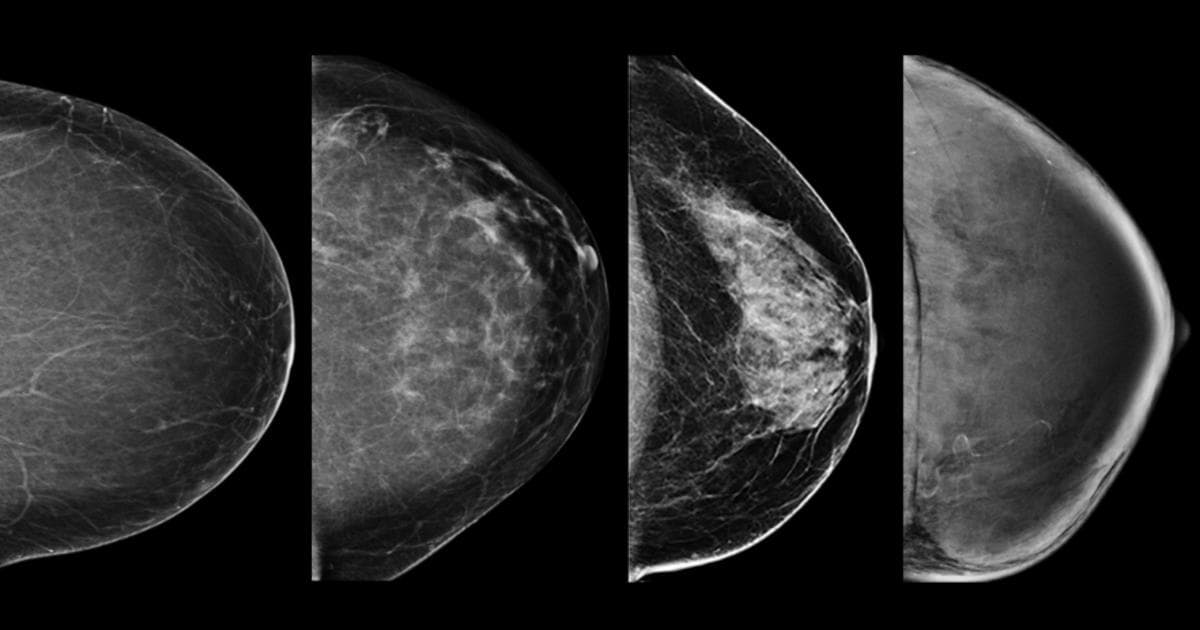
AI Model Helps Discern Patients' Need for Supplemental Breast Imaging
Why It Matters
More precise AI‑driven risk scores can target supplemental imaging to women who truly need it, easing resource strain and minimizing false‑positive anxiety while promoting equitable breast‑cancer screening.
Key Takeaways
- •Model predicts five‑year breast cancer risk with AUROC 0.71
- •Outperforms density‑based BI‑RADS categories (AUROC 0.53)
- •Reduces unnecessary supplemental imaging for low‑risk women
- •False negatives rise in high‑risk group, especially dense breasts
Pulse Analysis
Legislative mandates in many U.S. states now require that women be notified if they have dense breast tissue, a factor historically linked to higher cancer risk. However, density alone is a blunt tool; it often leads to blanket recommendations for supplemental imaging such as MRI or ultrasound, inflating costs and generating unnecessary follow‑ups. The emergence of AI models like Mirai offers a data‑driven alternative, leveraging subtle imaging patterns invisible to the human eye to generate individualized five‑year risk scores. This shift aligns with a broader industry trend toward precision medicine, where technology refines screening pathways based on nuanced risk rather than binary categories.
In the JAMA Network Open study, Mirai was applied to more than 120,000 screening mammograms, achieving an AUROC of 0.71 compared with 0.53 for traditional density‑based assessments. The model categorizes patients into low (<1.7%), intermediate (1.7%‑3%) and high (>3%) risk tiers, enabling clinicians to prioritize supplemental imaging for those most likely to benefit. While overall accuracy improves, the analysis revealed a modest increase in false negatives within the high‑risk cohort, particularly among women with dense breasts. This nuance underscores the need for clinicians to balance AI insights with clinical judgment, especially when managing high‑risk subpopulations.
Adopting AI‑based risk stratification could transform breast‑cancer screening economics and equity. By narrowing the pool of women sent for costly supplemental tests, health systems can allocate imaging resources more efficiently and reduce financial burdens on underserved patients. Moreover, the model’s predictive power persists in nondense breasts, suggesting that current binary density policies may both miss high‑risk nondense patients and over‑screen low‑risk dense patients. As insurers and providers explore integration, ongoing validation across diverse populations will be critical to ensure that AI enhances, rather than widens, disparities in cancer outcomes.
AI model helps discern patients' need for supplemental breast imaging
Comments
Want to join the conversation?
Loading comments...