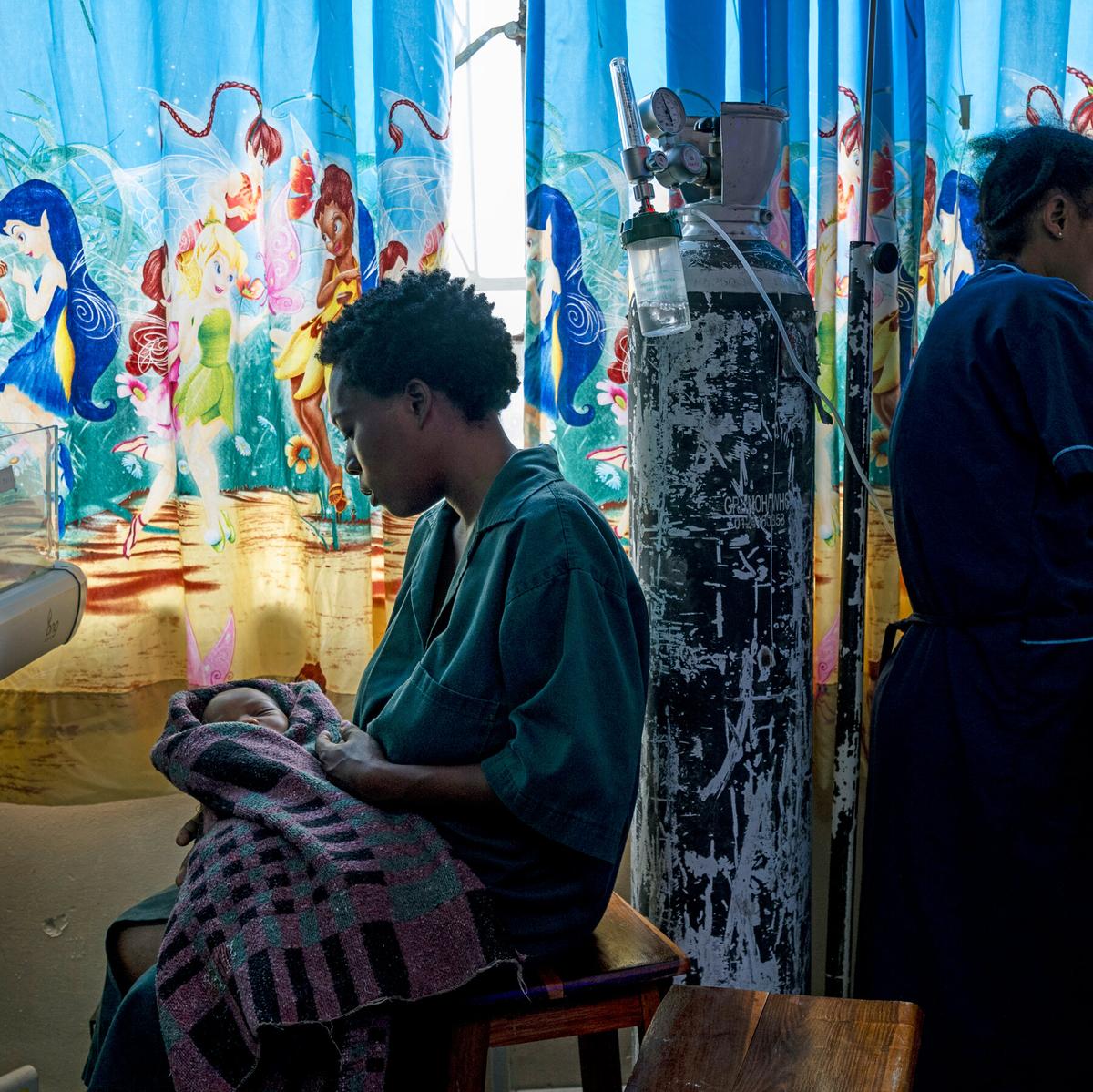
AIDS Creeps Back in Parts of Zambia, a Year After U.S. Cuts to H.I.V. Assistance
Why It Matters
The potential loss of U.S. aid threatens treatment continuity for thousands of Zambians, risking a reversal of decades‑long HIV gains and underscoring how health assistance can be weaponized for geopolitical leverage.
Key Takeaways
- •Zambia AIDS cases rose to 28 per month early 2026
- •US cuts removed preventive interventions, increasing mortality
- •New aid tied to U.S. mineral access, deadline April 30
- •Zambian government in emergency mode to secure drugs
- •Potential aid loss could reverse years of HIV progress
Pulse Analysis
The United States once funded a flagship HIV program in Zambia that combined antiretroviral distribution with community outreach, education, and tuberculosis screening. Those integrated services lowered new infections and kept mortality rates among the lowest in sub‑Saharan Africa. When the Trump administration withdrew the bulk of that financing, Zambia scrambled to maintain drug supplies but lost the ancillary interventions that had curbed transmission, leaving a fragile health system exposed to a resurgence.
In the copper‑rich northern district of Mpongwe, the impact is stark. After a year of relative stability, the clinic reported 28 new AIDS cases each in January and February 2026, a dramatic jump from the historic baseline of one or two monthly cases. The surge coincides with the removal of preventive measures such as partner testing and adherence counseling, which had been funded by U.S. grants. Now, Washington is leveraging a new health‑funding agreement that ties aid to expanded mineral access, giving the U.S. a bargaining chip that could dictate Zambia’s resource policy.
The situation highlights a broader dilemma for low‑income nations reliant on external health financing. Tying life‑saving programs to strategic concessions creates volatility that can undo public‑health gains. Sustainable solutions may involve diversifying funding sources, strengthening domestic procurement mechanisms, and engaging multilateral donors to reduce dependence on any single patron. For Zambia, securing a reliable supply chain for antiretrovirals while preserving autonomy over its mineral wealth will be critical to preventing another wave of HIV‑related deaths.
AIDS Creeps Back in Parts of Zambia, a Year After U.S. Cuts to H.I.V. Assistance
Comments
Want to join the conversation?
Loading comments...