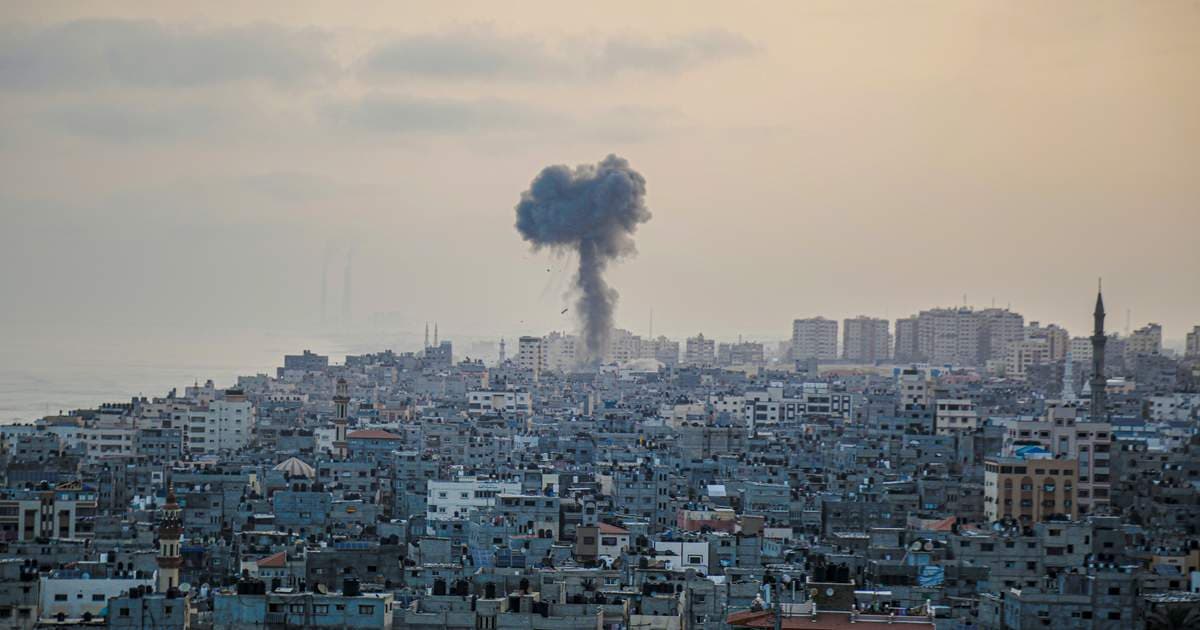
Airstrikes Have All but Eliminated the Gaza Strip's Imaging Capabilities
Why It Matters
Without reliable imaging, critical conditions go undiagnosed, raising mortality and burdening an already strained health system, while highlighting the urgent need for humanitarian medical corridors.
Key Takeaways
- •76% of Gaza's imaging equipment destroyed since 2023 campaign
- •All MRI scanners in Gaza are non‑functional
- •Only 5 of 18 CT scanners remain operational
- •33 of 88 X‑ray machines still work, many malfunction
- •Spare parts blocked, causing diagnostic delays and poorer outcomes
Pulse Analysis
Since the 2023 Israeli military campaign intensified, airstrikes have crippled Gaza’s diagnostic infrastructure. Independent assessments estimate that roughly 76 % of the Strip’s imaging assets—MRI, CT, X‑ray and fluoroscopy units—have been destroyed or rendered inoperable. All nine MRI machines are gone, leaving Al‑Shifa and the European Hospital without the capacity to perform the 16,000 scans they once delivered annually. Only five of the 18 CT scanners and a third of X‑ray devices remain functional, severely limiting emergency imaging.
The loss of imaging capability translates directly into delayed diagnoses and higher mortality for conditions that depend on timely scans, such as traumatic brain injury, internal bleeding, and cancer. Hospital staff report frequent equipment malfunctions and an inability to obtain spare parts, including helium needed for MRI cooling, because blockades restrict medical shipments. Consequently, clinics are triaging only the most critical cases, turning away new patients and extending wait times for essential imaging. The cumulative effect erodes the already fragile health outcomes for a population under siege.
International donors and humanitarian agencies face mounting pressure to restore Gaza’s medical imaging network. Delivering spare parts, helium, and replacement scanners through protected corridors could revive diagnostic services and prevent a secondary health crisis. In the longer term, rebuilding the imaging infrastructure will be essential for post‑conflict recovery, enabling accurate disease surveillance and supporting surgical programs. Accelerated funding and technical expertise from global health partners are critical to meet these needs. Until such assistance materializes, the region’s health system will remain crippled, with lasting repercussions for public health and regional stability.
Airstrikes have all but eliminated the Gaza Strip's imaging capabilities
Comments
Want to join the conversation?
Loading comments...