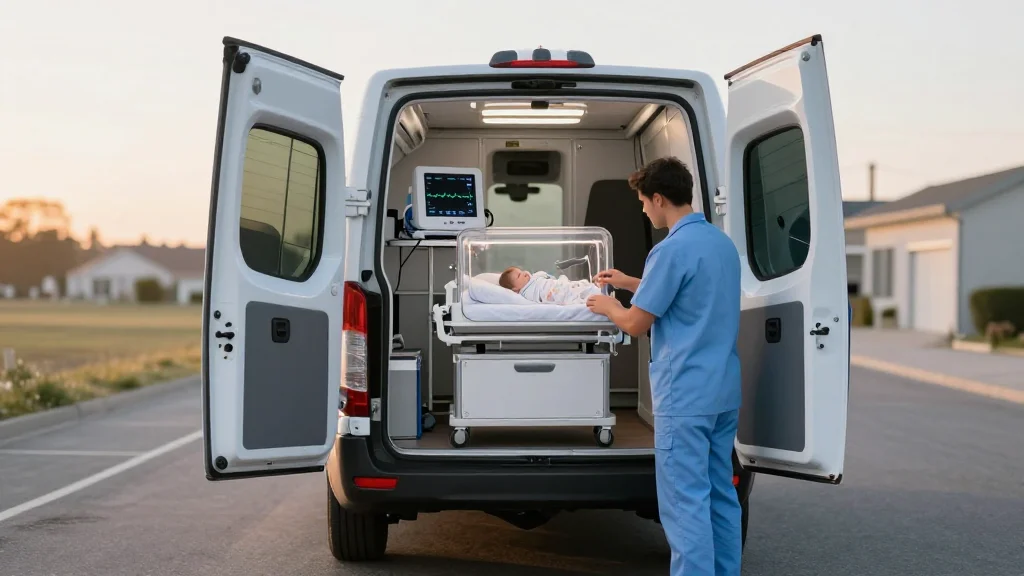
Ala. Hospital Adds Pediatric Critical Care Transport Ambulance
Companies Mentioned
Why It Matters
The upgraded ambulance ensures faster, higher‑quality critical care for vulnerable pediatric patients, reducing transport delays that can affect outcomes. It also demonstrates how targeted philanthropy can strengthen regional health infrastructure.
Key Takeaways
- •Kids Care transports over 700 critically ill children annually
- •New ambulance replaces high‑mileage unit, enhancing patient safety
- •Grant from The Caring Foundation and BlueCross funded the upgrade
- •Kids Care fleet now logs over 100,000 miles each year
- •Since 2003, program has moved more than 11,230 children
Pulse Analysis
Pediatric critical‑care transport is a lifeline for families in geographically dispersed regions. Huntsville Hospital for Women & Children (HHW&C) serves as the hub for North Alabama’s specialty pediatric services, including the state’s only Level III Neonatal ICU and a dedicated Pediatric ICU. By operating a mobile intensive‑care unit, the hospital bridges the gap between community hospitals and its high‑tech facilities, allowing interventions such as high‑frequency ventilation and hypothermia management to begin before the patient reaches the bedside of a specialist.
The newly commissioned Kids Care 2 ambulance upgrades the fleet’s capabilities dramatically. Equipped with advanced ventilators, CPAP/BiPAP, carbon‑dioxide monitoring, and other life‑support technologies, the vehicle functions as an ICU on wheels. The upgrade was made possible through a sizable grant from The Caring Foundation and BlueCross Blue Shield of Alabama, highlighting the role of corporate philanthropy in modernizing critical infrastructure. With both transport units now operating 24/7 and covering more than 100,000 miles annually, the system can respond swiftly to emergencies across North Alabama and southern Tennessee, potentially improving survival rates and reducing long‑term complications for the youngest patients.
Beyond the immediate clinical benefits, the initiative underscores a broader trend: strategic donor engagement can accelerate health‑system resilience. Since its inception in 2003, the Kids Care program has moved over 11,230 children, a figure that reflects both community need and the power of sustained fundraising. As regional populations grow, similar models—combining cutting‑edge medical equipment with dedicated transport services—are likely to become essential components of comprehensive pediatric care networks across the United States.
Ala. hospital adds pediatric critical care transport ambulance
Comments
Want to join the conversation?
Loading comments...