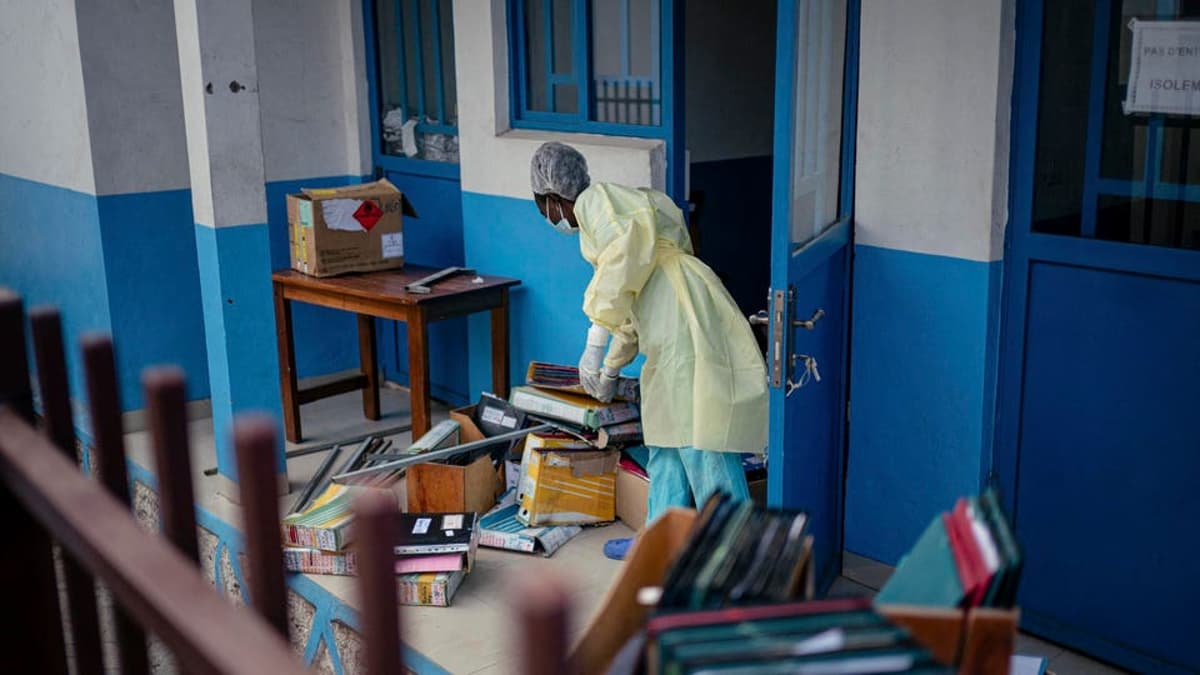
America Built An Ebola Response System After 2014. Here’s How It Works
Why It Matters
The incident validates the U.S. investment in a coordinated Ebola response network, reducing the risk of wider transmission and protecting both domestic and international communities. It also highlights gaps, such as the lack of a vaccine for the Bundibugyo strain, underscoring ongoing research needs.
Key Takeaways
- •13 federally funded RESPTCs now provide nationwide Ebola treatment capacity
- •NETEC coordinates hospital certification and national transport drills for pathogens
- •CDC’s “detect and protect” protocol triggers isolation after travel exposure question
- •Bundibugyo strain lacks approved vaccine; treatment remains supportive care
- •Dr. Stafford’s case tests the 12‑year response system built post‑2014
Pulse Analysis
The 2014 Ebola case in Dallas exposed a critical void in America’s ability to manage high‑consequence pathogens, prompting Congress to fund a national framework that has matured into a robust, multi‑layered defense. Over the past decade, the federal government established 13 Regional Emerging Special Pathogen Treatment Centers (RESPTCs) at leading academic and health‑system hubs, each equipped with negative‑pressure isolation rooms, Level‑A personal protective equipment stockpiles, and dedicated response teams. Complementing these sites, the National Emerging Special Pathogens Training and Education Center (NETEC) standardizes hospital certification, conducts transport drills, and serves as the operational backbone for rapid deployment.
At the frontline, CDC’s "detect and protect" guidance ensures that any patient presenting with fever or flu‑like symptoms is screened for recent travel to affected regions and potential exposure. Positive screens trigger immediate isolation, PPE donning, and a chain‑of‑custody protocol for specimen handling, with samples routed to state public‑health labs or the CDC’s Atlanta facility. This systematic approach, refined through annual simulations, shortens detection time and safeguards health‑care workers, addressing the very bottleneck that delayed identification of the Bundibugyo strain in the DRC.
The recent infection of Dr. Peter Stafford, an American physician in the DRC, puts the system to the test. While he was swiftly evacuated and his contacts placed under a 21‑day monitoring program, the outbreak underscores lingering challenges: the Bundibugyo strain remains vaccine‑free and relies on supportive care, and field diagnostics in endemic regions still lag behind U.S. laboratory capacity. Nonetheless, the coordinated response—from travel restrictions to the activation of the nearest RESPTC—demonstrates that the post‑2014 infrastructure can contain high‑risk pathogens before they gain a foothold on American soil. Continued investment in vaccine research and global diagnostic capabilities will be essential to close remaining gaps.
America Built An Ebola Response System After 2014. Here’s How It Works
Comments
Want to join the conversation?
Loading comments...