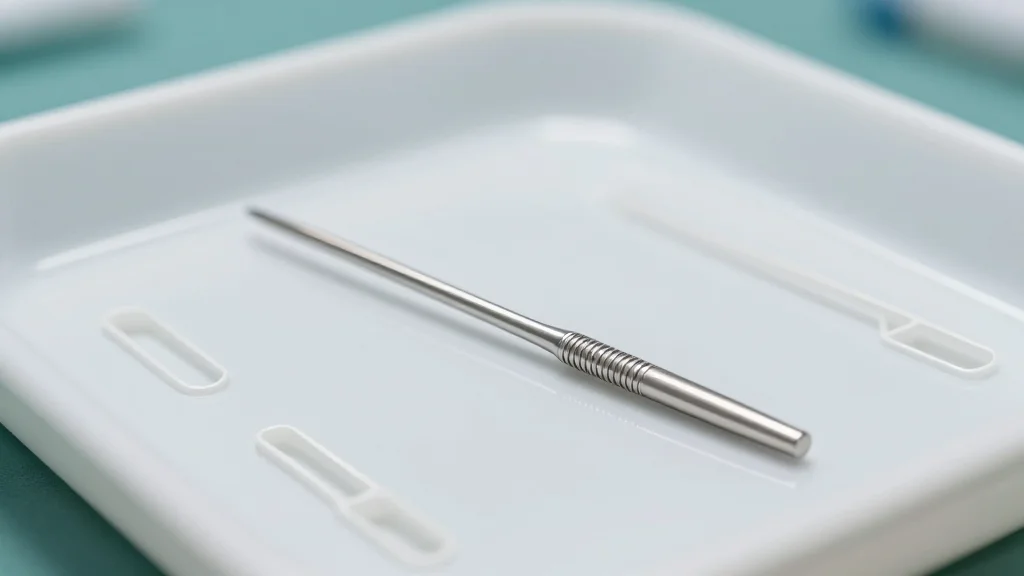
American College of Radiology Urges FDA to Address Breast Biopsy Needle Shortages
Companies Mentioned
Why It Matters
Without adequate biopsy needles, breast cancer detection slows, increasing patient risk and driving up healthcare costs. The shortage highlights vulnerabilities in the medical‑device supply chain that could affect diagnostic timelines nationwide.
Key Takeaways
- •ACR warns FDA of breast biopsy needle shortages lasting through 2026
- •Shortage began after major manufacturer halted shipments due to safety notice
- •Limited alternatives strain imaging workflows and delay cancer diagnoses
- •ACR urges expedited review, imports, and manufacturer engagement to restore supply
Pulse Analysis
The American College of Radiology (ACR) has escalated a growing scarcity of stereotactic breast biopsy needles to the U.S. Food and Drug Administration. The FDA added these devices to its medical‑device shortage list in April, projecting that the deficit could persist until the end of 2026. The shortage emerged after a leading manufacturer voluntarily stopped shipments following a field safety notice on Hologic’s Brevera 9‑gauge disposable needles, which raised concerns about needle fragments dislodging during procedures. With few comparable alternatives, radiology departments nationwide are scrambling for stock.
Image‑guided breast biopsies are a cornerstone of early cancer detection, and any interruption reverberates through the entire care continuum. Delays in obtaining tissue samples can postpone definitive diagnoses, increase patient anxiety, and force clinicians to resort to more invasive, costly interventions. High‑volume centers and safety‑net hospitals, which often lack the budget to source premium substitutes, face the greatest risk of compromised workflow efficiency and longer appointment backlogs. The downstream economic impact includes higher procedural costs and potential penalties for missed quality metrics.
In response, the ACR has petitioned the FDA for a suite of remedial actions: accelerated review of alternative biopsy devices, temporary import pathways, and tighter coordination with manufacturers to prioritize production. The college’s Quick Response Team is also mapping contingency plans that could include shared inventory pools and regional sourcing agreements. If the agency adopts these measures, the supply chain could regain resilience, safeguarding timely breast cancer diagnosis and preserving the financial stability of imaging practices across the United States.
American College of Radiology urges FDA to address breast biopsy needle shortages
Comments
Want to join the conversation?
Loading comments...