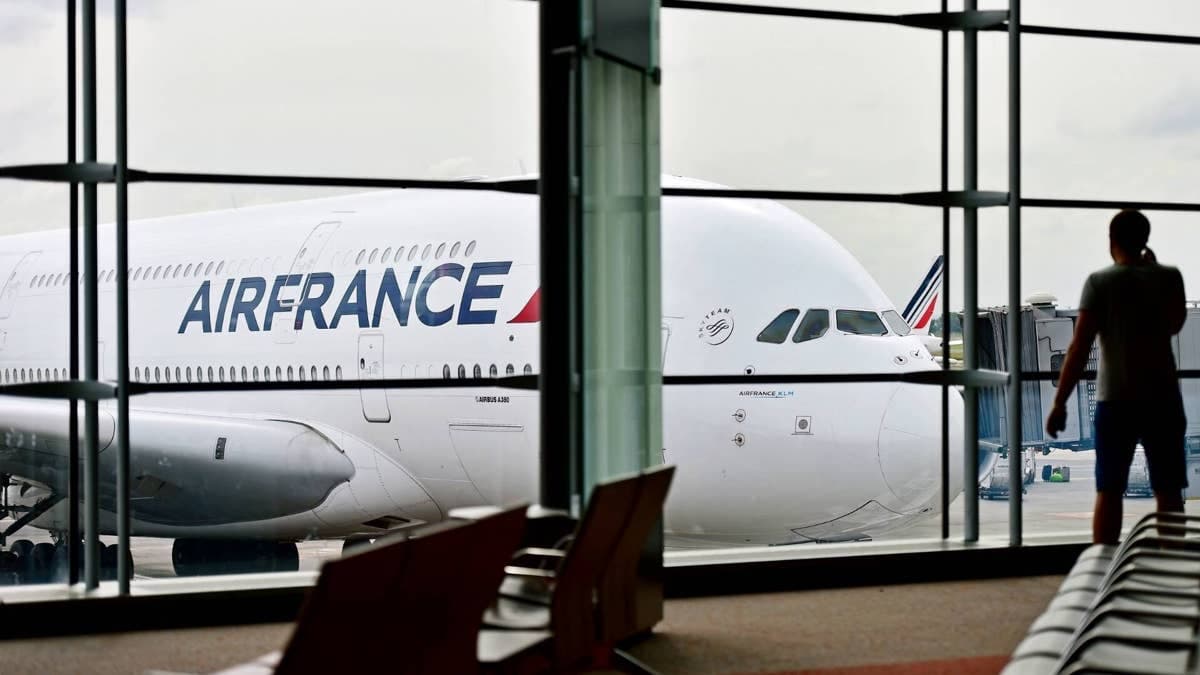
An Air France Flight to the U.S. Was Diverted over Ebola Fear
Companies Mentioned
Why It Matters
The incident underscores how rapidly evolving health emergencies can force airlines to alter routes and enforce strict entry requirements, disrupting schedules and increasing operational costs. It also highlights the need for coordinated international protocols to manage passenger safety without unduly hampering global travel.
Key Takeaways
- •CDC imposed 30‑day entry ban for travelers from DRC, Uganda, South Sudan.
- •Air France flight AF378 diverted to Montreal over a passenger from DRC.
- •Passenger was quarantined in Canada and later flown back to Paris.
- •Delay added two hours, but remaining passengers reached Detroit as scheduled.
Pulse Analysis
The latest Ebola flare‑up in Central Africa has reignited global health alarms. With at least 600 confirmed cases and 139 fatalities in the Democratic Republic of Congo, the World Health Organization declared the outbreak a public‑health emergency of international concern on May 17. Although the WHO rates the global risk as low, the rare Bundibugyo strain’s rapid spread and lack of a vaccine have prompted the U.S. Centers for Disease Control and Prevention to impose a 30‑day travel ban on non‑citizens who have been in the DRC, Uganda or South Sudan. The restriction aims to curb importation of the virus while giving authorities time to assess containment measures.
Airlines are now navigating a tighter regulatory landscape. Air France’s decision to divert Flight AF378 to Montreal illustrates how carriers must act swiftly when a passenger’s travel history conflicts with entry rules. The airline complied with U.S. Customs and Border Protection directives, disembarking the traveler for quarantine in Canada before repatriating him to Paris. Such diversions incur additional fuel costs, crew duty‑time adjustments, and passenger inconvenience, forcing airlines to balance compliance with operational efficiency. The two‑hour delay, while relatively minor, signals the logistical ripple effects that can arise from a single health‑related incident.
The broader travel sector must prepare for similar disruptions as emerging pathogens continue to challenge border policies. Enhanced data sharing between health agencies and airlines, real‑time passenger screening, and pre‑flight verification of travel histories could mitigate last‑minute diversions. Moreover, airlines may need to revisit insurance coverage and contingency planning to absorb the financial impact of health‑driven reroutes. As governments refine entry criteria, the industry’s ability to adapt quickly will be a key determinant of resilience in an increasingly health‑sensitive travel environment.
An Air France flight to the U.S. was diverted over Ebola fear
Comments
Want to join the conversation?
Loading comments...