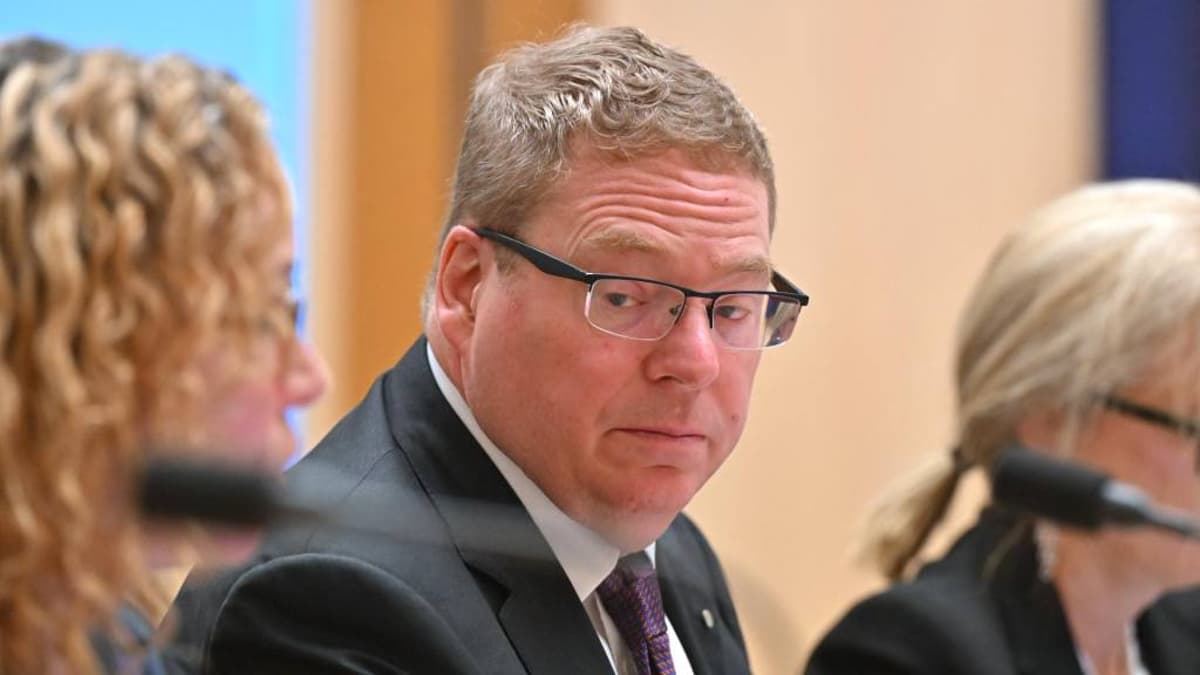
ANAO Finds Health Flying Blind on $990m Suicide-Prevention Investment
•March 9, 2026
0
Why It Matters
Without measurable outcomes, billions of taxpayer dollars may not reduce suicide rates, undermining public trust and policy effectiveness.
Key Takeaways
- •$990 million allocated to 41 suicide‑prevention measures.
- •No evaluation criteria or performance metrics established.
- •ANAO labels oversight as fundamental failure.
- •Potential waste of taxpayer funds and ineffective interventions.
- •Calls for immediate implementation of robust monitoring framework.
Pulse Analysis
The Australian Government has earmarked nearly a billion dollars for suicide‑prevention initiatives, reflecting a bipartisan commitment to curb the nation’s rising suicide rates. Between the 2022‑23 and 2025‑26 fiscal years, the Department of Health, Disability and Ageing rolled out 41 distinct measures, ranging from community outreach to digital mental‑health platforms. While the scale of investment signals political urgency, the absence of a transparent reporting structure leaves policymakers without a clear view of which programs deliver measurable outcomes and which merely consume resources.
The Australian National Audit Office’s performance audit highlights a systemic blind spot: no evaluation criteria or key performance indicators were attached to any of the funded projects. In public‑sector finance, rigorous monitoring is not a luxury but a prerequisite for accountability, especially when dealing with high‑risk social issues. International best practice dictates that large‑scale health interventions embed baseline data collection, regular impact assessments, and cost‑effectiveness analysis from the outset. Without these safeguards, the $990 million allocation risks becoming a fiscal black hole rather than a catalyst for change.
Going forward, the audit’s recommendations call for an immediate overhaul of the department’s governance framework. Establishing a centralized data repository, mandating quarterly performance reports, and linking future disbursements to demonstrable outcomes could restore public confidence and ensure that funds reach evidence‑based services. For stakeholders—state health agencies, NGOs, and private partners—clear metrics will enable better coordination and targeted scaling of successful models. Ultimately, embedding robust evaluation mechanisms will not only protect taxpayer dollars but also increase the likelihood of reducing suicide rates across Australia.
ANAO finds Health flying blind on $990m suicide-prevention investment
0
Comments
Want to join the conversation?
Loading comments...