Ancient Chinese Sleep Advice, From Bedtimes and Body Positions to State of Mind
Why It Matters
Understanding historic sleep wisdom offers actionable insights for today’s wellness market, where improving sleep quality can reduce healthcare costs and drive demand for holistic sleep solutions.
Key Takeaways
- •Sleep between 9 pm‑11 pm aligns with ancient energy cycles.
- •Side‑lying on right side was recommended for heart and digestion.
- •Seasonal head direction (east/west) matched natural rhythms in Chinese lore.
- •Calm mind before eyes: mental stillness deemed essential for rest.
- •Modern CPAP parallels ancient focus on airway health and breathing.
Pulse Analysis
The surge in sleep‑related health concerns has propelled both clinicians and consumers to seek evidence‑based strategies that go beyond medication. While continuous positive airway pressure (CPAP) devices remain the gold standard for treating obstructive sleep apnoea, a growing body of research acknowledges the role of behavioral and environmental factors in sustaining long‑term sleep quality. Ancient Chinese prescriptions—such as retiring during the "hai" period (9 pm‑11 pm) and avoiding late‑night meals—mirror today’s recommendations to respect circadian rhythms and limit stimulants before bedtime, reinforcing the timelessness of these practices.
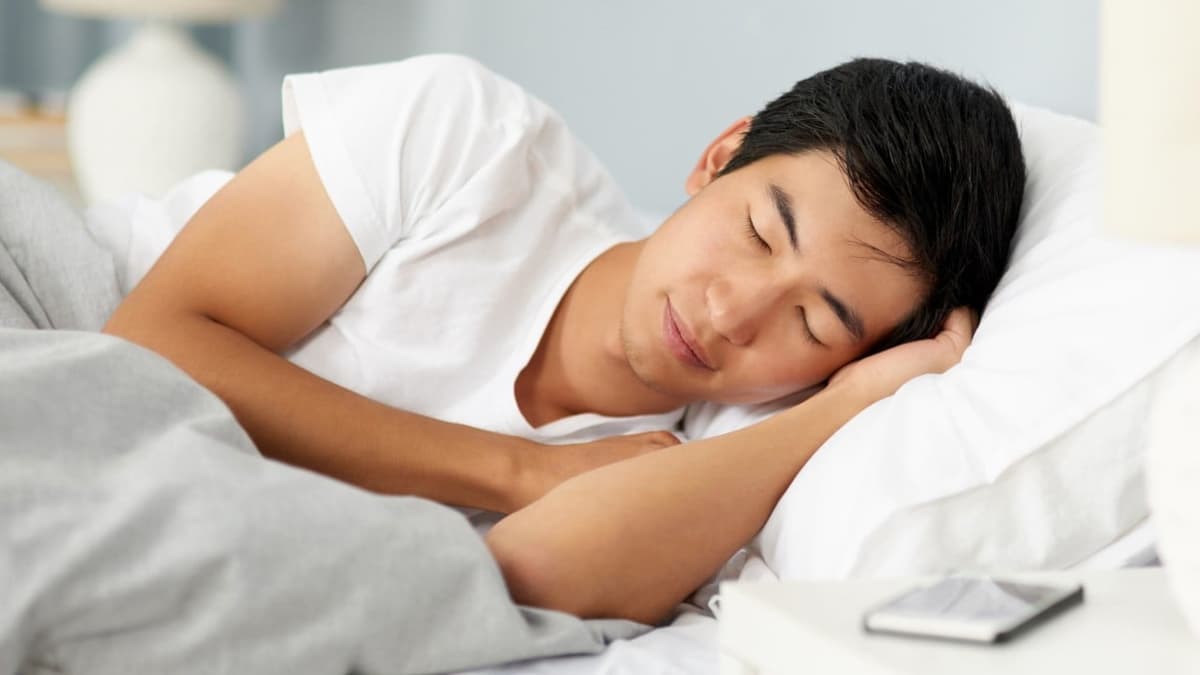
Chinese medical texts also codified physical and mental rituals that align closely with modern sleep hygiene. The side‑lying "bow" posture, especially on the right side, was believed to aid cardiac function and digestion, a notion supported by recent studies linking supine positions to increased airway obstruction. Directional head placement—east in summer, west in winter—reflected an intuitive grasp of seasonal light exposure, akin to contemporary advice on optimizing bedroom lighting. Perhaps most striking is the emphasis on mental stillness: clearing thoughts before closing the eyes parallels mindfulness‑based interventions that have demonstrably reduced insomnia symptoms and improved sleep latency.
For the wellness industry, integrating these culturally rich practices offers a differentiating edge. Sleep‑tech firms can embed ancient guidelines into device algorithms, such as adaptive lighting that shifts with seasonal directions or posture‑sensing mats that encourage side‑lying. Meanwhile, corporate wellness programs can incorporate brief meditative routines modeled after Cao Tingdong’s breath‑control method, enhancing employee productivity and reducing absenteeism linked to sleep deprivation. By marrying age‑old wisdom with cutting‑edge technology, businesses can tap into a market eager for holistic, evidence‑backed sleep solutions.
Ancient Chinese sleep advice, from bedtimes and body positions to state of mind
Comments
Want to join the conversation?
Loading comments...