As Hantavirus Outbreak Unfolds, the CDC Is Missing in Action, Experts Say. ‘I’m Very Sorry to Say that We Are Not Prepared’
Why It Matters
The CDC’s absence undermines U.S. credibility in global health and risks delayed response to future pandemics, eroding public trust in domestic disease surveillance.
Key Takeaways
- •CDC absent from hantavirus cruise ship response, WHO leads coordination
- •Experts cite CDC staffing cuts and policy shifts causing reduced role
- •Trump administration’s WHO withdrawal and bilateral deals weaken global health readiness
- •Comparison to Diamond Princess shows CDC’s past active role versus current silence
- •Limited CDC communication risks public trust and future outbreak preparedness
Pulse Analysis
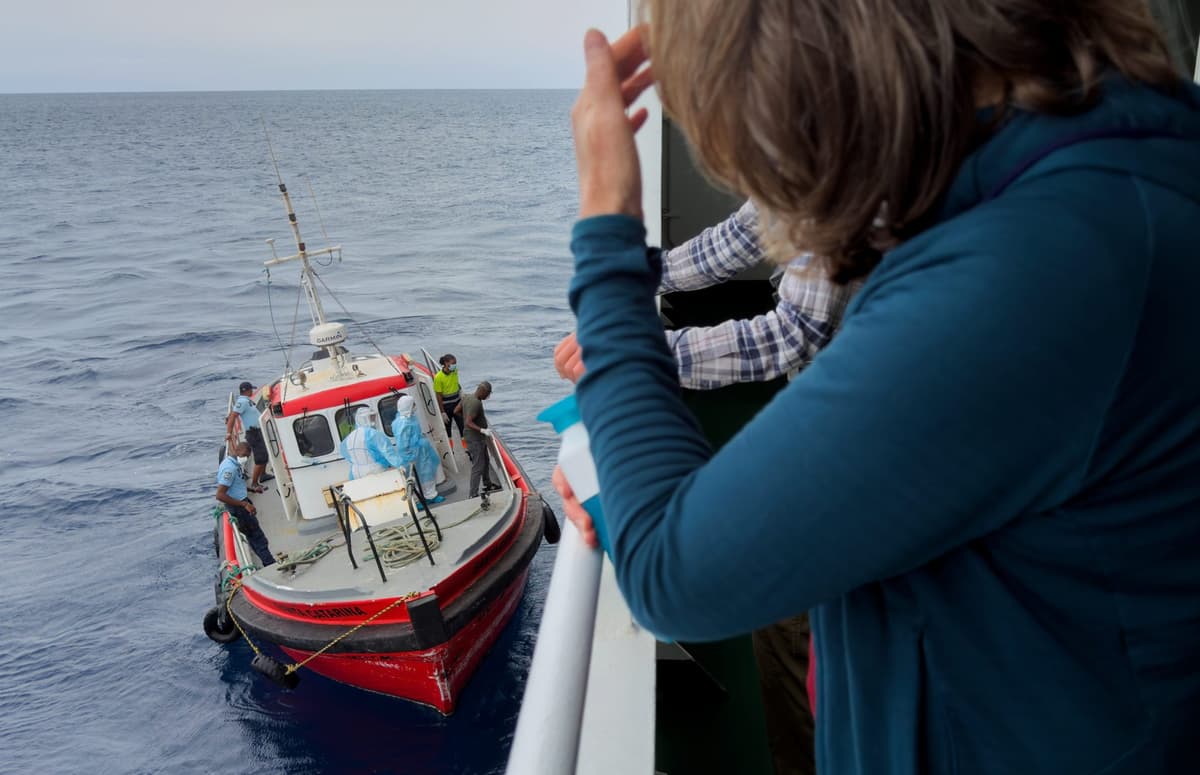
The recent hantavirus cases aboard a cruise vessel sailing from Argentina to Antarctica have thrust a relatively obscure rodent-borne disease into the international spotlight. While two dozen Americans were aboard, the World Health Organization quickly classified the situation as an outbreak and began issuing risk assessments, coordinating with local health ministries, and deploying expert teams to the Canary Islands. In contrast, the CDC’s public presence has been limited to a terse statement labeling the risk to U.S. citizens as "extremely low" and a handful of behind‑the‑scenes technical exchanges. This disparity underscores a shift in the agency’s traditional role as the frontline defender in cross‑border health emergencies.
Several analysts trace the CDC’s low profile to structural changes implemented over the past 16 months. Budget reductions and the dismissal of thousands of scientists have thinned the agency’s epidemiologic workforce, while the Trump administration’s decision to withdraw from the WHO and pursue bilateral health agreements has isolated the CDC from the multilateral networks that once amplified its influence. Without the robust staffing and international partnerships that powered its response to the 2020 Diamond Princess COVID‑19 crisis, the CDC now appears reactive rather than proactive, raising doubts about its capacity to lead during fast‑moving threats.
The implications extend beyond a single outbreak. Public health credibility hinges on transparent, timely communication; the CDC’s muted messaging risks eroding public confidence and hampers clinicians’ ability to prepare. Rebuilding the agency’s stature will likely require restoring scientific staffing, re‑engaging with the WHO, and establishing clear protocols for rapid information sharing. As global travel resumes post‑pandemic, a reinvigorated CDC could once again serve as the cornerstone of U.S. and worldwide disease surveillance, ensuring that sentinel events like this hantavirus case become opportunities for coordinated action rather than cautionary tales.
As hantavirus outbreak unfolds, the CDC is missing in action, experts say. ‘I’m very sorry to say that we are not prepared’
Comments
Want to join the conversation?
Loading comments...