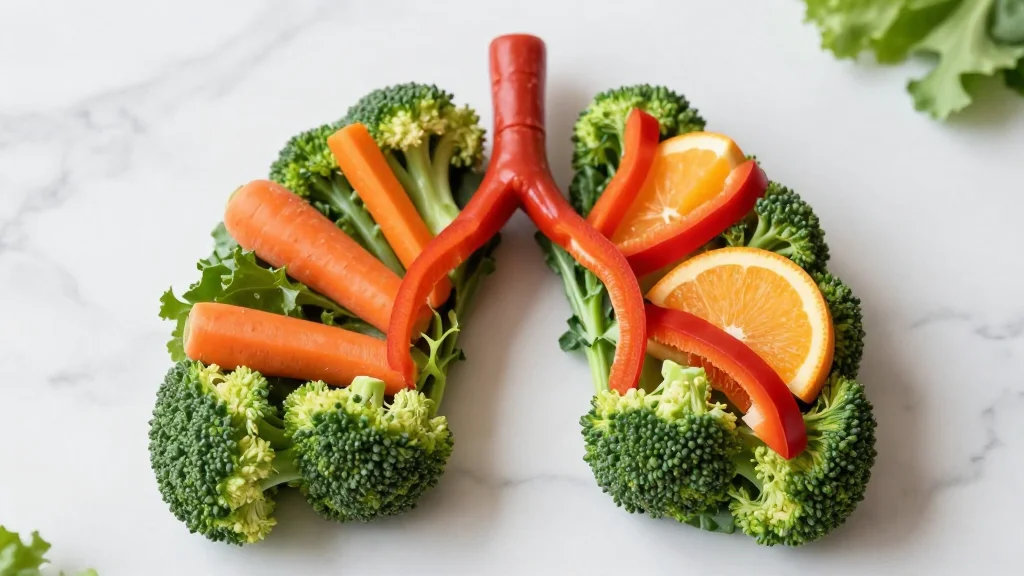
Association Between Planetary Health Diet Index and Lung Cancer Risk in 106,542 Participants: A Prospective Cohort Study
Why It Matters
The results suggest that a sustainable, plant‑rich dietary pattern can serve as a powerful, modifiable factor in lung cancer prevention, complementing traditional anti‑smoking efforts and informing public‑health nutrition policies.
Key Takeaways
- •Top PHDI quartile cut lung cancer risk by 29% (HR 0.71).
- •Benefit observed for both non‑small cell and small cell lung cancers.
- •Dose‑response non‑linear for overall lung cancer; linear for SCLC.
- •Adequacy and vegetable‑ratio components drove risk reduction.
- •Findings robust across smoking status, demographics, and sensitivity tests.
Pulse Analysis
Lung cancer remains the leading cause of cancer death in the United States, accounting for roughly one‑fifth of all cancer fatalities. While smoking is the dominant risk factor, growing evidence points to diet as a modifiable contributor. The Planetary Health Diet, championed by the EAT‑Lancet Commission, emphasizes plant‑based foods, limited animal products, and balanced nutrient ratios, aiming to improve human health while preserving environmental resources. Understanding how this holistic dietary pattern influences lung cancer risk is critical for shaping preventive strategies that align with sustainability goals.
The recent Frontiers in Nutrition study leveraged the extensive PLCO Cancer Screening Trial cohort, applying the validated Planetary Health Diet Index to quantify participants' adherence. Over nearly nine years, the analysis identified 1,846 incident lung cancers and demonstrated a 29% risk reduction for those in the highest PHDI quartile after controlling for age, sex, smoking history, BMI, and other confounders. Notably, the protective effect persisted across histologic subtypes—non‑small cell and small cell lung cancers—and survived multiple sensitivity analyses that excluded early cases, extreme BMI, and chronic respiratory conditions. The dose‑response curves suggest diminishing returns at very high adherence levels for overall lung cancer, while small cell disease showed a steady linear decline, underscoring the nuanced relationship between diet composition and tumor biology.
These findings have immediate implications for clinicians, policymakers, and nutritionists. Incorporating planetary health principles into dietary guidelines could offer a dual benefit: reducing lung cancer incidence while advancing climate‑friendly food systems. Future research should explore longitudinal dietary changes, integrate biomarkers of inflammation and oxidative stress, and test the diet’s impact in more diverse, younger populations. If replicated, the planetary health diet could become a cornerstone of comprehensive cancer prevention programs, complementing smoking cessation and air‑quality interventions.
Association between planetary health diet index and lung cancer risk in 106,542 participants: a prospective cohort study
Comments
Want to join the conversation?
Loading comments...