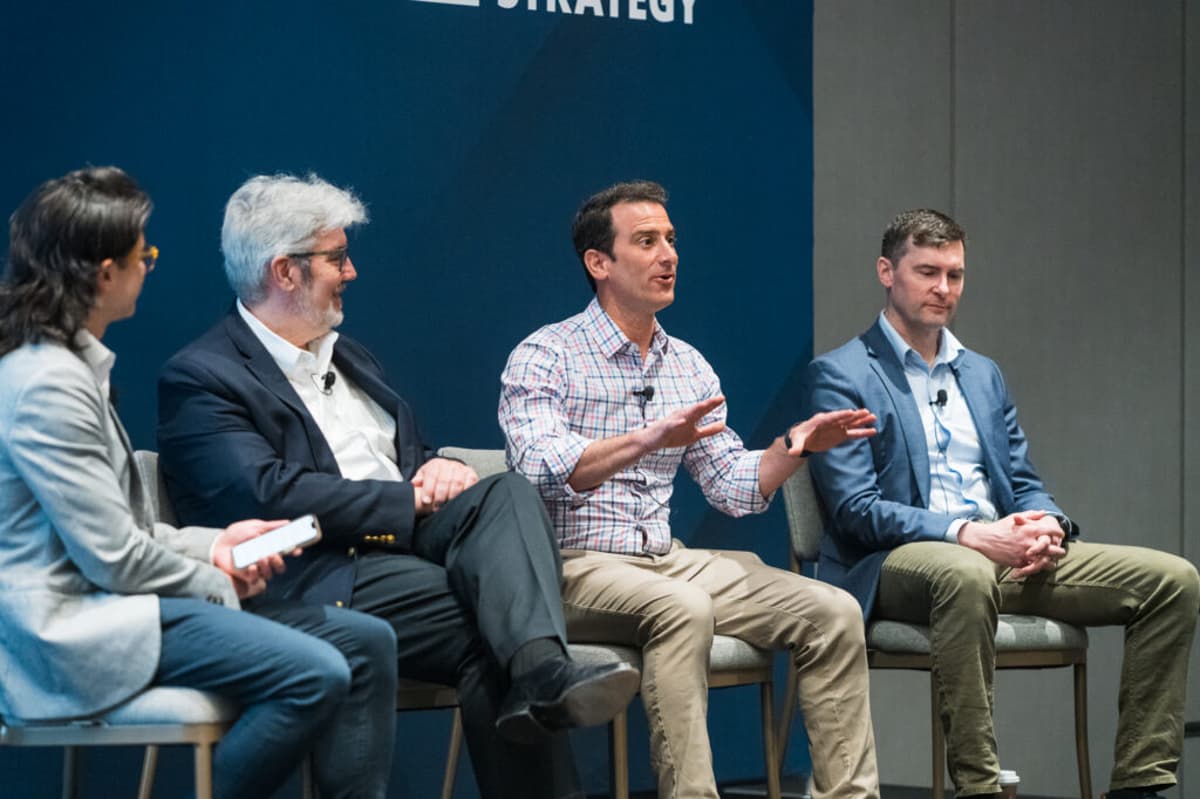
At-Home Care Providers Prioritize Talent, Culture-First Acquisitions
Why It Matters
Cultural and talent alignment directly influences deal valuation and integration risk, shaping the profitability of consolidation in the fast‑growing home‑care market. Investors and operators that prioritize these factors can capture higher returns and avoid costly post‑merger setbacks.
Key Takeaways
- •Culture fit now a primary deal filter for home‑care acquirers
- •Talent retention drives post‑acquisition value and reduces integration risk
- •Early, detailed communication improves integration timelines and staff morale
- •Infrastructure investment is essential to scale new client books
- •Private‑equity operators balance cost discipline with upfront integration spend
Pulse Analysis
The home‑health sector has entered a wave of consolidation, driven by aging demographics, rising demand for in‑home services, and the lure of economies of scale. While financial metrics once dominated deal screens, senior leaders now cite cultural compatibility and the presence of high‑performing talent as decisive criteria. Companies such as Nova Leap and Arosa have learned that acquiring a team that shares core values and operational philosophies can accelerate synergies and protect margins, turning acquisitions from value destroyers into value enhancers.
Effective integration hinges on more than just cultural alignment. Executives highlight the need for transparent, early communication and a well‑defined integration roadmap. When teams receive weeks—or even months—of advance notice, they can align processes, retain key staff, and maintain referral networks. Simultaneously, robust infrastructure—IT systems, compliance frameworks, and scalable operational capacity—must be in place to absorb new client volumes without disrupting service quality. Private‑equity‑backed operators, in particular, must balance their innate cost‑discipline with strategic upfront investments that safeguard long‑term growth.
For investors, the shift toward culture‑first acquisitions signals a maturing market where intangible assets are quantified alongside revenue multiples. Firms that embed talent assessment and cultural due diligence into their M&A playbooks are better positioned to achieve sustainable EBITDA expansion and lower post‑deal churn. As the industry continues to consolidate, the ability to integrate seamlessly will differentiate winners from laggards, making cultural fit and talent retention pivotal levers for future profitability.
At-Home Care Providers Prioritize Talent, Culture-First Acquisitions
Comments
Want to join the conversation?
Loading comments...