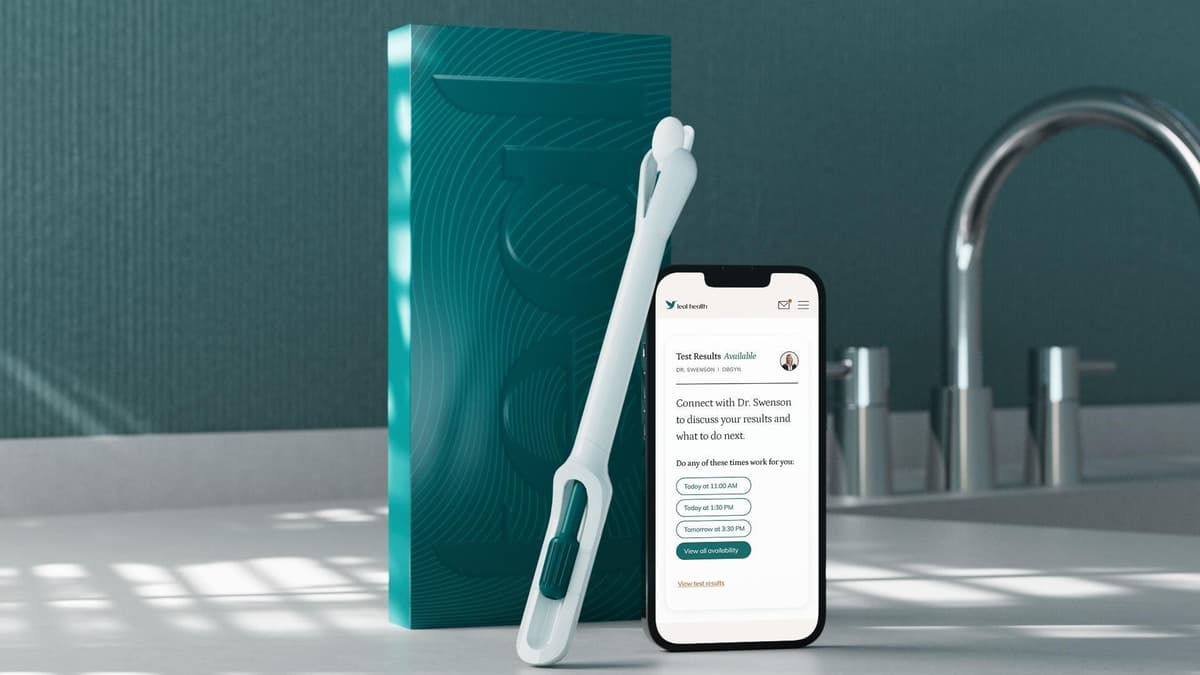
At-Home Cervical Cancer Screening Wand Now Available In All 50 States
•March 3, 2026
0
Why It Matters
By eliminating appointment and provider barriers, the Teal Wand could raise screening rates among the roughly one‑quarter of women currently underscreened, potentially reducing cervical cancer mortality.
Key Takeaways
- •FDA‑approved at‑home cervical cancer test now nationwide
- •95.2% result agreement with clinic‑based screening
- •Costs $99 with insurance, $249 without
- •Over 90% users found instructions easy
Pulse Analysis
The United States has long relied on clinician‑performed Pap smears and HPV tests to detect cervical cancer early. Yet nearly 25 % of eligible women fall behind schedule, often because of limited appointment availability, geographic distance, or insurance hurdles. In May 2025 the FDA cleared the Teal Wand, a dry‑collection device that lets women obtain a cervical sample at home and mail it to a certified laboratory. The approval coincides with updated ACS and HHS guidelines that explicitly recognize self‑collection as a viable screening pathway for average‑risk patients. It also aligns with USPSTF five‑year HPV testing intervals.
Teal Health’s pricing strategy—$99 with in‑network coverage and $249 out‑of‑pocket—positions the Wand between traditional office visits and premium tele‑health services. The SELF‑CERV trial demonstrated a 95.2 % concordance rate with provider‑collected specimens, and more than 90 % of participants rated the instructions as easy, addressing a common usability concern. Early adopters in Australia and Sweden have shown that nationwide self‑collection programs can lift screening participation by 15‑20 %, suggesting a similar upside for the U.S. market once insurers broaden reimbursement. The company is also securing shelf space in major pharmacy chains, expanding point‑of‑sale access.
Beyond boosting compliance, the Wand could alleviate the chronic primary‑care physician shortage by shifting routine screening to a consumer‑driven model. However, it is not a substitute for comprehensive gynecologic care; abnormal results still require follow‑up colposcopy and possible treatment. Policymakers and payers will need to monitor outcomes to ensure that increased at‑home testing translates into earlier detection and reduced mortality. Ongoing studies will track cost‑effectiveness as usage expands, and if successful, the Teal Wand may pave the way for additional at‑home diagnostics across women’s health.
At-Home Cervical Cancer Screening Wand Now Available In All 50 States
0
Comments
Want to join the conversation?
Loading comments...