Audit Shows Low Rate of Intraoperative IOL-Related Complications
•March 10, 2026
0
Why It Matters
The findings demonstrate that high‑volume cataract centers can maintain exceptionally low complication rates, directly influencing patient safety, operational costs, and industry quality benchmarks.
Key Takeaways
- •0.11% intraoperative IOL complication rate over ten years
- •Unplanned IOL exchange comprised 69% of complications
- •AcrySof IQ SN60WF accounted for 79.5% of cases
- •Secondary surgery needed in 14.3% of complication cases
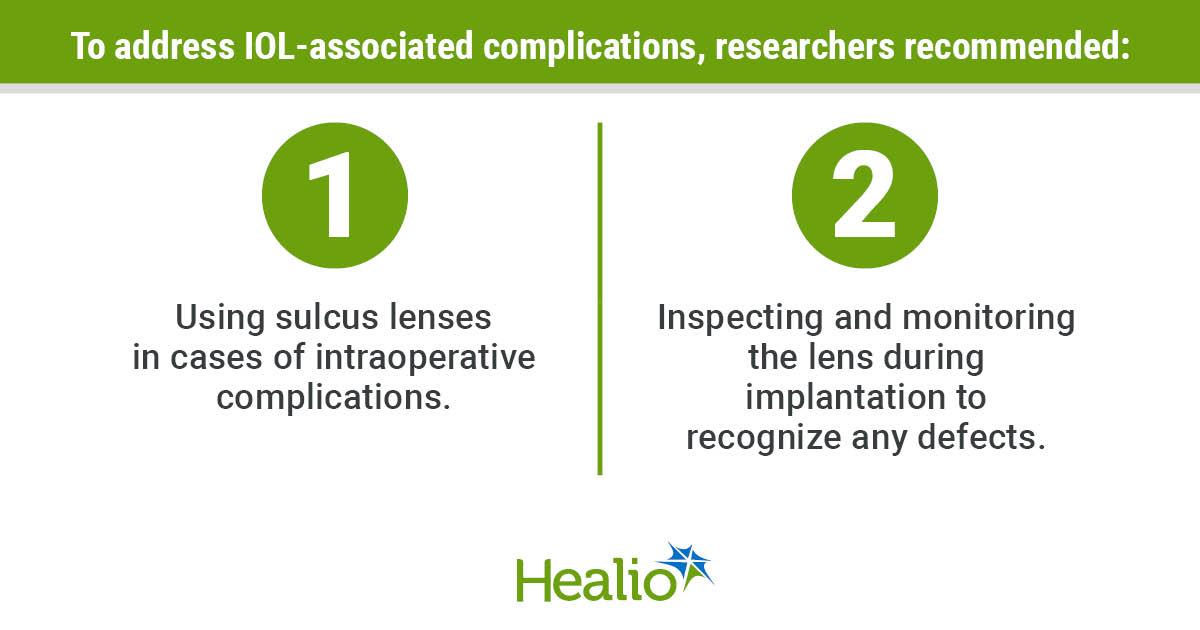
- •Audit recommends intraoperative lens inspection and sulcus lens use
Pulse Analysis
Moorfields Eye Hospital performs more than 25,000 cataract surgeries annually, yet its intraoperative intraocular lens (IOL) complication rate has remained at a modest 0.11% over the past decade. This figure, derived from 193 events among 176,663 operations, positions the centre among the safest tertiary ophthalmic facilities worldwide. The stability of the rate, even through the COVID‑19 procedural dip, underscores the effectiveness of standardized surgical protocols and high‑volume practice in minimizing adverse outcomes. These metrics provide a benchmark for other high‑volume centers seeking to align safety targets with financial performance. Such low complication rates translate into fewer postoperative interventions, directly reducing hospital expenditures and preserving operating room efficiency.
The audit identified unplanned IOL exchange as the dominant complication, accounting for 69% of cases, frequently linked to surface scratches, broken haptics or faulty injectors. Such defects raise concerns for lens manufacturers, prompting tighter quality‑control checks and encouraging surgeons to perform real‑time lens inspections before implantation. Gandhewar’s recommendation to consider sulcus lenses when intraoperative issues arise offers a practical mitigation strategy, potentially reducing the need for secondary procedures and associated costs. The findings also encourage insurers to consider lower reimbursement for revision surgeries, aligning incentives with preventive practices.
Beyond clinical outcomes, the study highlights persistent challenges in complication reporting. Under‑reporting due to inconsistent coding can mask true event frequencies, limiting the reliability of internal audits and external benchmarking. Implementing uniform reporting standards and leveraging electronic health‑record analytics, as Moorfields did with OpenEyes, can enhance data capture and drive continuous quality improvement across the ophthalmic sector. As cataract surgery volumes grow globally, such rigorous audit frameworks become essential for safeguarding patient safety and sustaining market confidence in premium IOL products. Future multicenter registries could validate these rates and identify device‑specific risk factors, further informing regulatory guidelines.
Audit shows low rate of intraoperative IOL-related complications
0
Comments
Want to join the conversation?
Loading comments...