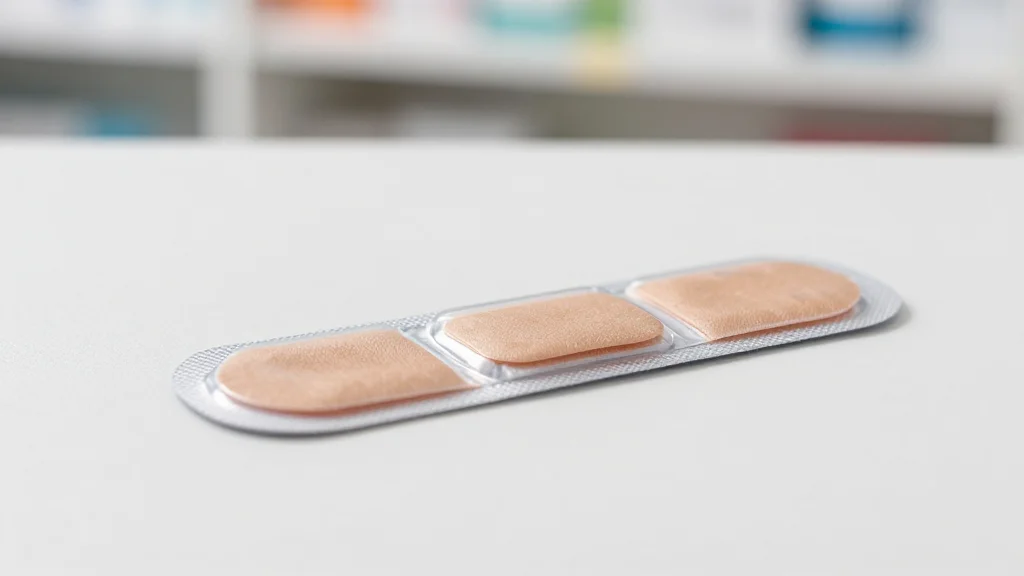
Australia Is Experiencing HRT Menopause Patch Shortages. Here's Why
Why It Matters
The patch shortage threatens the health and productivity of millions of perimenopausal women, undermining symptom management and workplace participation. It also exposes fragilities in pharmaceutical supply chains and regulatory oversight for essential therapies.
Key Takeaways
- •HRT patch shortages persist across Australia, forcing patients to travel for supply.
- •Limited approved brands and raw‑material scarcity drive intermittent global supply gaps.
- •Women resort to cutting patches, switching to pills, or going without treatment.
- •TGA approved overseas alternatives, but regulatory limits hinder rapid market entry.
Pulse Analysis
Hormone replacement therapy remains a cornerstone for managing perimenopausal symptoms, with transdermal patches offering steadier hormone delivery than oral tablets. In Australia, roughly one in five women experience severe menopausal disturbances that can impair daily functioning and career performance. The recent shortage amplifies a hidden public‑health issue, as women scramble for alternatives, risking sub‑optimal dosing or adverse reactions when switching formulations.
The root of the scarcity lies in a confluence of supply‑chain bottlenecks. Most HRT patches rely on soy‑derived or sweet‑potato polymers, commodities that have surged in demand for food and industrial uses, tightening global availability. Coupled with the discontinuation of a domestic brand and limited manufacturing capacity, the market now hinges on a handful of imports. Regulatory bodies such as the TGA can approve overseas products, but they lack authority to compel manufacturers to prioritize the Australian market, prolonging the deficit.
Looking ahead, policymakers and industry stakeholders must address both short‑term relief and long‑term resilience. Expanding the Serious Scarcity Substitution Instrument can streamline brand switching, while incentivizing local production of raw materials could mitigate future disruptions. Clinicians should counsel patients on safe alternatives, including gels or pills, and monitor for side effects. Ultimately, a coordinated response will safeguard a therapy that is not merely elective but essential for millions of women’s health and economic participation.
Australia is experiencing HRT menopause patch shortages. Here's why
Comments
Want to join the conversation?
Loading comments...