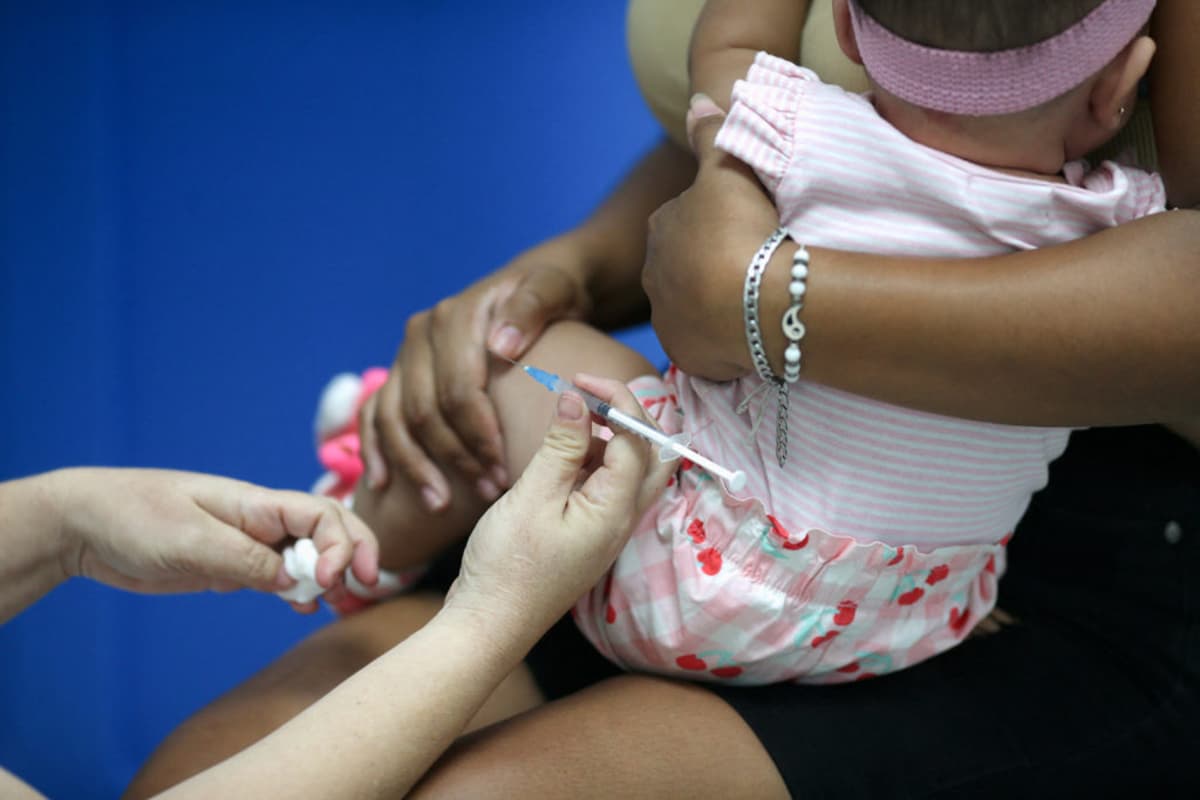
Babies Too Young for MMR Vaccine Become 'Sitting Ducks' In Measles Outbreaks
Companies Mentioned
Why It Matters
The outbreak highlights how declining vaccination rates and policy shifts can leave the most vulnerable—infants—exposed to deadly disease, threatening the U.S. status of measles elimination. Legislative moves to loosen mandates risk eroding herd immunity nationwide.
Key Takeaways
- •South Carolina outbreak hit ~1,000 cases, 253 under age 5.
- •Infants as young as 6 months receiving early MMR doses.
- •Vaccine exemption rates in Spartanburg County fell below 90% coverage.
- •Bill proposes banning vaccine mandates for children under 2 in SC.
- •Doctors offer second MMR dose early to curb spread.
Pulse Analysis
The resurgence of measles in South Carolina underscores a broader national trend: vaccination rates are slipping just enough to breach the 95% herd‑immunity threshold that once kept the virus at bay. While the overall U.S. MMR coverage among kindergarteners remains above 90%, pockets of low uptake—particularly in the Southeast—create fertile ground for outbreaks. Infants, who cannot yet receive the standard 12‑ to 15‑month dose, become de facto "sitting ducks," relying entirely on community immunity to stay safe. Early‑dose strategies, such as administering MMR at six months, offer a stopgap but do not replace the full protection conferred by the two‑dose schedule.
Compounding the public‑health challenge is a wave of legislative activity aimed at loosening vaccine requirements. In South Carolina, a bill under consideration would prohibit mandates for children under two, effectively removing school and daycare vaccination rules for the youngest cohort. Proponents frame the measure as a parental‑rights issue, yet health experts warn it could accelerate exemption rates, already hovering below 90% in the outbreak’s epicenter. The policy shift mirrors a national pattern where more than 350 anti‑vaccine bills have been introduced, reflecting a growing politicization of immunization.
Doctors on the front lines are adapting by offering off‑label early MMR doses and even advancing the second dose to pre‑school ages. These clinical workarounds, however, cannot fully compensate for systemic gaps in coverage. As measles cases climb to 1,671 in the first quarter of 2026—representing 73% of the previous year’s total—the United States faces the prospect of losing its measles‑elimination status. Restoring robust herd immunity will require coordinated efforts: public‑education campaigns, consistent state guidance, and policies that prioritize community health over individual exemptions.
Babies too young for MMR vaccine become 'sitting ducks' in measles outbreaks
Comments
Want to join the conversation?
Loading comments...