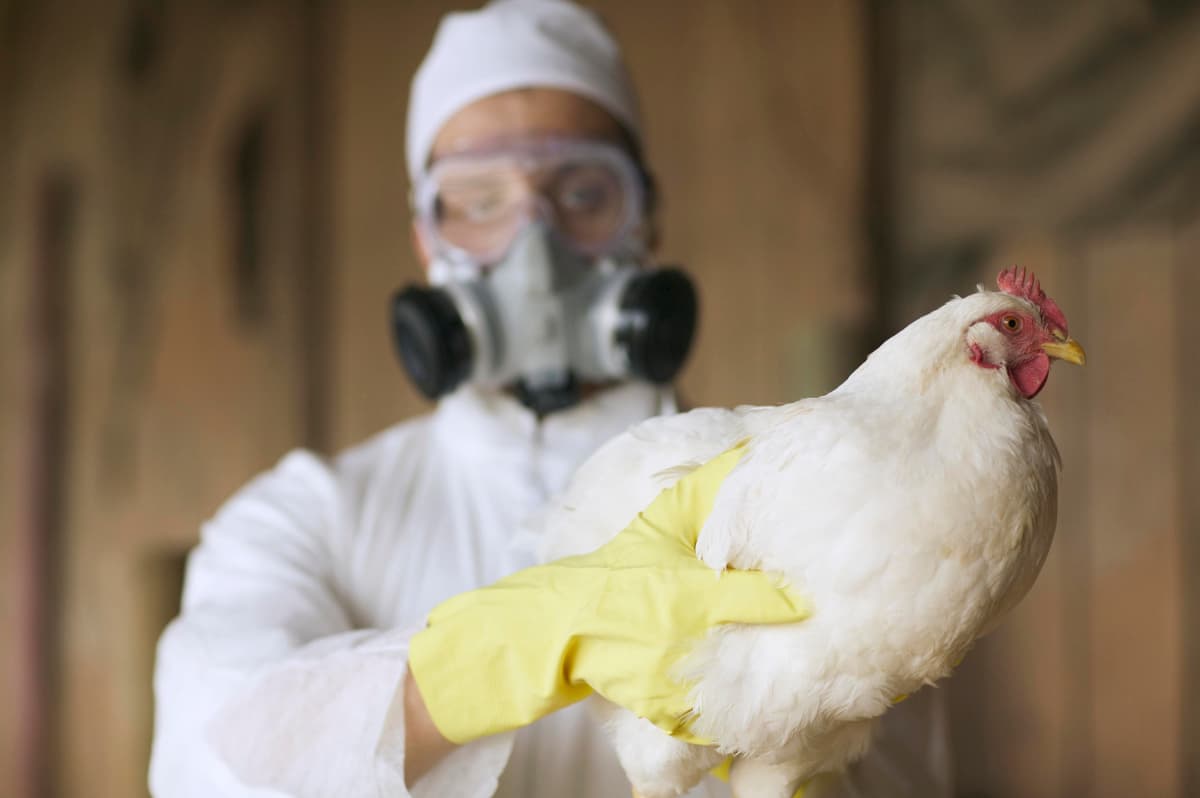
Bird Flu Is Back. Here’s What You Need To Know.
•February 26, 2026
0
Companies Mentioned

Why It Matters
The outbreak threatens the poultry industry’s supply chain and raises the risk of zoonotic spillover, prompting urgent policy and veterinary interventions. It also signals the need for enhanced wildlife surveillance and coordinated international response to contain a virus that can impact both economies and public health.
Key Takeaways
- •7.6 million birds infected in Pennsylvania outbreak.
- •USDA and vets mobilized for rapid diagnosis and culling.
- •H5N1 detected in California seals, killing ~30 animals.
- •UK reports 30 dead swans, prompting public warnings.
- •Experts urge hygiene and avoiding live animal contact.
Pulse Analysis
The resurgence of avian influenza this winter has caught regulators off‑guard, with Pennsylvania alone reporting an unprecedented 7.6 million infected birds. The scale of the outbreak threatens to cripple the state’s poultry sector, driving up feed costs, disrupting supply chains, and prompting large‑scale culling operations. By partnering with the U.S. Department of Agriculture and expanding veterinary authority, officials aim to accelerate testing, isolate hotspots, and fast‑track experimental vaccine trials, hoping to prevent a repeat of the 2023 economic fallout seen in other states.
Beyond farms, the virus is demonstrating a troubling capacity to jump to wildlife. In California, a strand of H5N1 has been linked to the deaths of nearly 30 elephant seals, while the United Kingdom reported a similar lethal strain affecting 30 swans in London’s Docklands. These incidents underscore the importance of integrated wildlife monitoring, as infected marine mammals and waterfowl can act as reservoirs that re‑introduce the disease to domestic birds. Conservationists are now urging stricter habitat controls and rapid carcass removal to break transmission cycles that could otherwise spread across continents.
For the general public, the risk of person‑to‑person transmission remains low, yet health agencies are emphasizing basic preventive steps: frequent hand washing, avoiding live‑animal markets, and ensuring meat is thoroughly cooked. Industry leaders are lobbying for emergency relief funds to offset culling losses and to support biosecurity upgrades on farms. As governments balance economic pressures with public‑health safeguards, the current wave of bird flu serves as a stark reminder that coordinated, cross‑sectoral action is essential to mitigate both immediate agricultural damage and longer‑term zoonotic threats.
Bird Flu Is Back. Here’s What You Need To Know.
0
Comments
Want to join the conversation?
Loading comments...