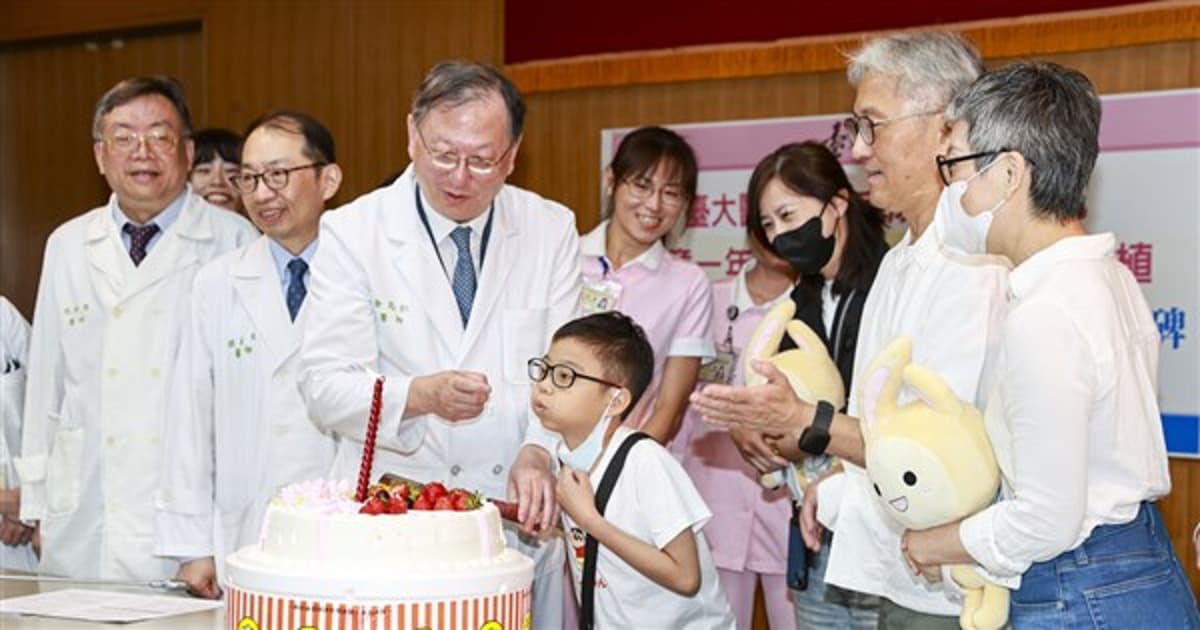
Boy Who Received Liver, Kidney Transplants From Parents Returns to School
Why It Matters
The successful dual transplants demonstrate that coordinated, family‑driven living‑donor programs can overcome complex pediatric organ failures, setting a benchmark for hospitals worldwide. Higher survival rates reinforce the value of multidisciplinary care in improving long‑term outcomes for young patients.
Key Takeaways
- •First pediatric patient at NTUH to receive liver and kidney transplants
- •Parents acted as living donors, highlighting family-driven organ donation
- •Two transplants within a year remain rare even for adults
- •NTUH's 10‑year kidney graft survival reaches 85%, above national average
- •Case underscores need for multidisciplinary coordination in complex pediatric transplants
Pulse Analysis
Living‑donor transplantation has long been a cornerstone of organ scarcity solutions, yet pediatric cases involving multiple organs remain exceptionally uncommon. The Hsu family's decision to donate both liver and kidney tissue illustrates how sustained health monitoring and donor eligibility preparation can expand the donor pool beyond strangers. In Taiwan, where cultural attitudes toward organ donation have historically lagged, high‑profile successes like this can shift public perception and motivate more families to consider living donation, especially when the procedural risk is shared among close relatives.
The clinical complexity of performing two major transplants within a twelve‑month window demands seamless coordination across specialties. Pediatric nephrologists, transplant surgeons, anesthesiologists, and nursing teams must synchronize pre‑operative assessments, intra‑operative logistics, and post‑operative immunosuppression protocols. NTUH's reported 85% ten‑year kidney graft survival—well above the national 77% average—highlights how such integrated care models translate into tangible patient benefits, reducing long‑term dialysis dependence and improving quality of life for children facing end‑stage organ disease.
Beyond the immediate medical triumph, the case signals broader implications for health systems aiming to scale pediatric transplant programs. It underscores the importance of robust donor screening programs, family education, and post‑transplant support networks to sustain adherence to anti‑rejection medication. As more institutions adopt multidisciplinary frameworks, the likelihood of replicating these outcomes grows, potentially reshaping global standards for treating rare congenital disorders like Caroli disease and ARPKD. Continued public outreach and policy incentives will be critical to maintain donor availability and ensure that such life‑saving interventions become the norm rather than the exception.
Boy who received liver, kidney transplants from parents returns to school
Comments
Want to join the conversation?
Loading comments...