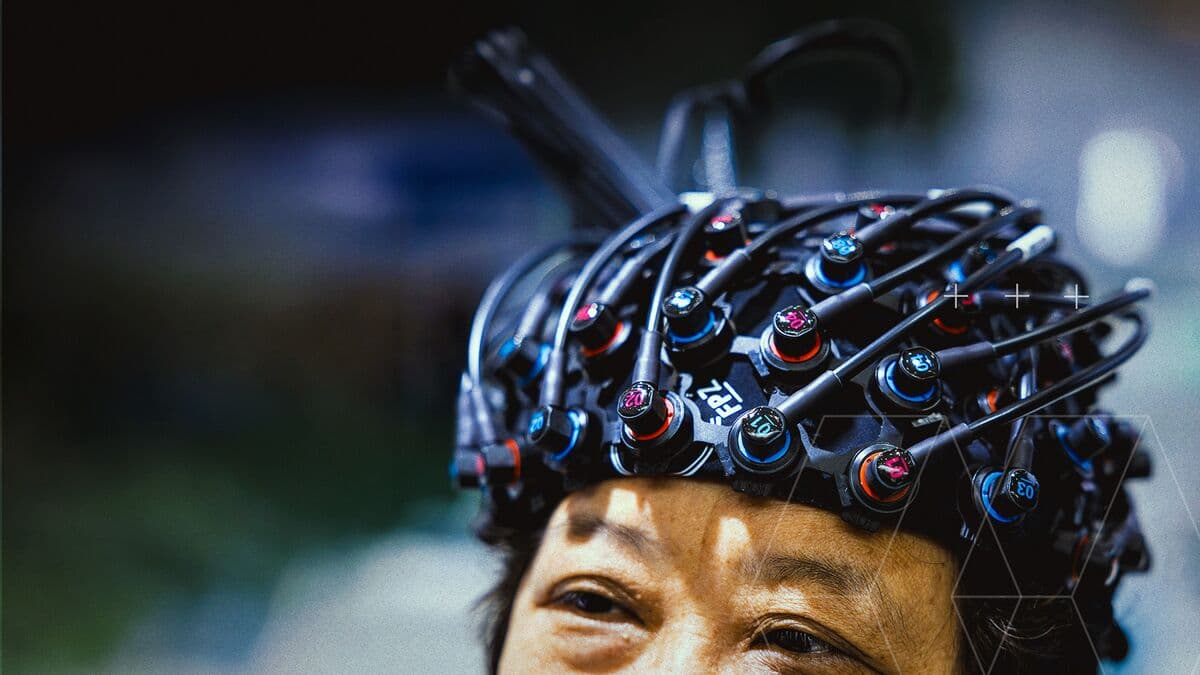
Brain Implants Are Unlocking a New Human-Machine Reality
Companies Mentioned
Why It Matters
BCIs promise a paradigm shift for accessibility and open a multibillion‑dollar market, while the China‑U.S. competition could hasten innovation and force regulators to catch up.
Key Takeaways
- •BCIs now let disabled users browse web and control prosthetic arms
- •AI integration speeds decoding of neural signals into text and commands
- •Chinese state-backed startups aim to rival Neuralink by 2030
- •Regulatory frameworks lag behind rapid hardware and software advances
- •Market potential reaches billions as medical and consumer uses grow
Pulse Analysis
The latest generation of brain‑computer interfaces is redefining human‑machine interaction. By embedding ultra‑thin electrode arrays beneath the skull, engineers can capture neural activity with unprecedented fidelity. Coupled with deep‑learning models that translate patterns into actionable commands, users can now surf the web, type sentences, or steer robotic appendages using only thought. These breakthroughs are not limited to laboratory demos; several clinical trials have reported functional independence gains for patients with paralysis or ALS, signaling a shift from experimental to therapeutic reality.
Artificial intelligence is the hidden engine driving this momentum. Modern AI pipelines filter noise, adapt to individual brain signatures, and predict user intent in near‑real time, shrinking latency from seconds to milliseconds. Hardware manufacturers are leveraging advances in semiconductor miniaturization and wireless power to produce implants that are both smaller and longer‑lasting. Meanwhile, Chinese startups, buoyed by substantial state funding, are scaling production and filing patents at a pace that rivals Silicon Valley rivals. Their ambition to dominate the sector by 2030 has prompted collaborations with local universities and a push to integrate BCI capabilities into broader smart‑city initiatives.
The commercial implications are vast. Analysts estimate the neurotechnology market could exceed $15 billion by 2035, encompassing medical rehabilitation, consumer gaming, and even enterprise productivity tools. However, the rapid rollout raises ethical and regulatory questions about data privacy, long‑term safety, and equitable access. Policymakers in the U.S., Europe and Asia are beginning to draft frameworks, but legislation lags behind technological capability. Companies that navigate these challenges while delivering reliable, user‑friendly solutions are poised to capture the next wave of digital transformation.
Brain Implants Are Unlocking a New Human-Machine Reality
Comments
Want to join the conversation?
Loading comments...