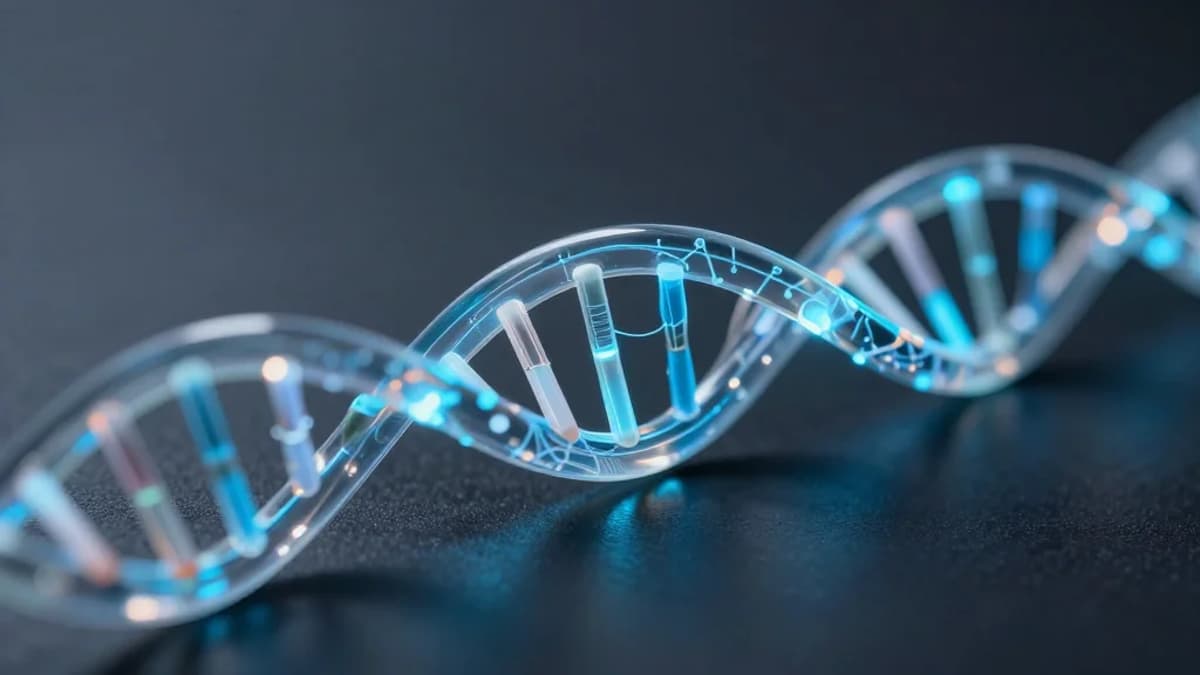
Building an AI-Driven 'ChatGPT of Human DNA'
•March 6, 2026
0
Why It Matters
The ability to rapidly interpret genomic data will shorten drug development cycles and enable truly personalized medicine, giving biotech firms a competitive edge.
Key Takeaways
- •Nvidia provides GPU acceleration for genomic AI models
- •Mount Sinai contributes clinical genomics expertise
- •ARC Innovation Center coordinates interdisciplinary research
- •Project aims to speed genetic therapy discovery
- •Potential to personalize medicine based on DNA decoding
Pulse Analysis
Artificial intelligence is reshaping genomics by tackling the massive computational demands of sequencing and variant analysis. Traditional pipelines struggle with the sheer volume of raw DNA data, often requiring weeks of processing to identify clinically relevant mutations. Advanced deep‑learning architectures, powered by high‑performance GPUs, can learn patterns across billions of nucleotides, accelerating the translation of raw sequences into functional annotations. This shift promises not only speed but also new predictive capabilities that were previously unattainable with conventional bioinformatics tools.
The Mount Sinai‑ARC‑Nvidia alliance combines complementary strengths to build the next generation of genomic AI. Nvidia supplies its latest GPU accelerators and software stack, enabling researchers to train large transformer‑style models on terabytes of patient genomic data curated by Mount Sinai’s clinical genomics program. ARC Innovation Center acts as the integration hub, aligning computational resources, regulatory expertise, and interdisciplinary talent. Early prototypes aim to predict gene‑editing outcomes, prioritize therapeutic targets, and generate patient‑specific risk profiles, positioning the consortium at the forefront of AI‑driven precision medicine.
If successful, this collaboration could compress drug discovery timelines from years to months, reducing R&D costs and expanding access to tailored therapies. Investors are watching closely, as biotech firms that adopt AI‑enhanced genomics may gain a decisive market advantage. Moreover, faster DNA decoding supports emerging regulatory frameworks that demand robust, data‑driven evidence for gene‑based interventions. Ultimately, the partnership exemplifies how strategic tech‑health collaborations can accelerate breakthroughs, setting a new standard for personalized care in the era of digital biology.
Building an AI-driven 'ChatGPT of human DNA'
0
Comments
Want to join the conversation?
Loading comments...