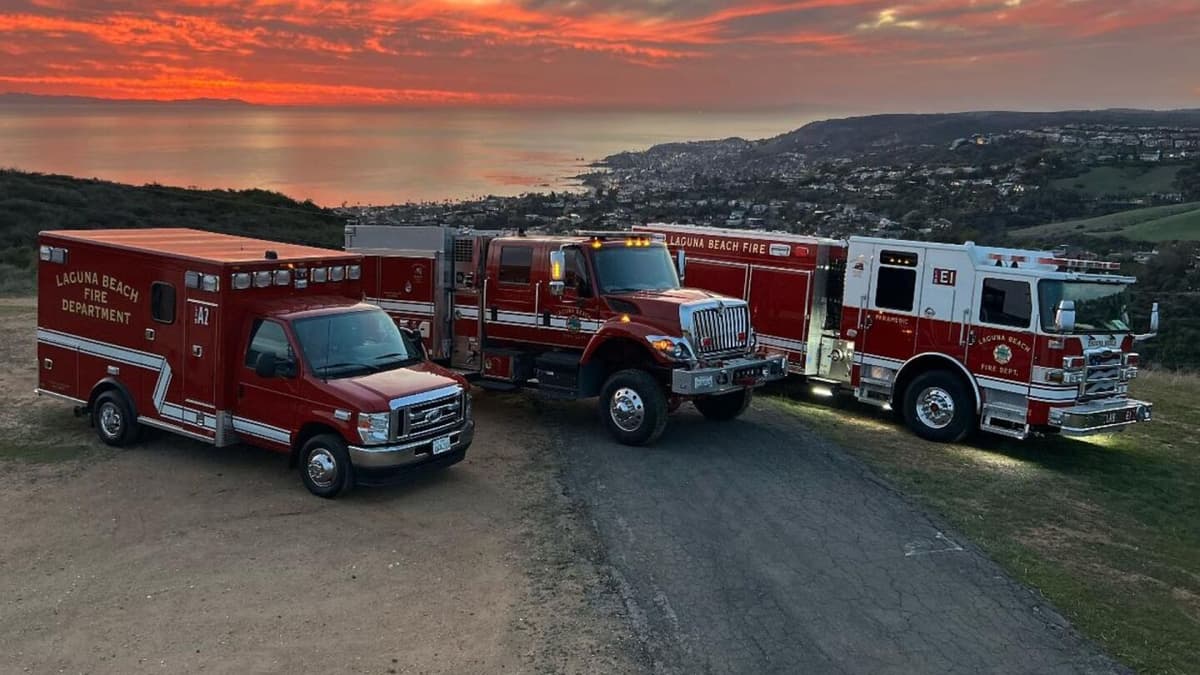
Calif. City to Raise Ambulance Transport Rates, Add New Unit Amid Rising Costs
Why It Matters
The rate increase and fleet expansion are critical to keeping Laguna Beach’s municipal EMS financially sustainable while maintaining response capability, and they shift a larger share of cost to cash and private‑pay patients, influencing regional pricing pressure.
Key Takeaways
- •Rate increase adds ~10% to basic life support fee, now $3,088.40.
- •New ambulance purchase $315,000, financed over seven years, expands fleet to four.
- •City expects $92,000 extra reimbursement annually from rate hike.
- •Medicare covers 47% of transports; cash/private pay absorb most rate increase.
Pulse Analysis
Municipal EMS agencies across the United States are grappling with inflationary pressures that erode operating margins. Laguna Beach’s decision to adjust its ambulance fees mirrors a broader trend where cities tie reimbursement to the consumer price index, ensuring that rising fuel, medical‑supply, and equipment costs do not force cuts to service levels. By benchmarking against neighboring Orange County fire departments—Huntington Beach and Newport Beach, which charge roughly $2,155 and $2,743 respectively—Laguna Beach’s rates remain among the highest in the region, reflecting its commitment to a fully staffed, city‑run ambulance fleet.
The financial trajectory of Laguna Beach’s program illustrates how strategic rate adjustments can quickly reverse deficits. After a $161,000 net loss in FY 2023‑24, supplemental reimbursements and the new CPI‑linked fees pushed the program into a $113,000 surplus in FY 2024‑25 and a $97,000 surplus currently. However, the payer mix reveals that Medicare accounts for 47% of transports, while the remaining 53%—particularly cash and private insurers—will shoulder the bulk of the increased fees. This shift may affect patient behavior, especially for uninsured or underinsured residents, and could prompt discussions about affordability and access.
Beyond finances, the addition of a fourth ambulance addresses operational resilience. Seasonal surges between Memorial Day and Labor Day previously strained the two‑ambulance model, prompting the city to staff a spare unit for half‑day shifts. The new vehicle, financed over seven years, provides a dedicated surge capacity and redundancy, reducing response times during peak demand. As other municipalities evaluate the cost‑benefit of in‑house EMS versus contract services, Laguna Beach’s approach offers a case study in balancing fiscal responsibility with service quality, potentially shaping future policy decisions in California and beyond.
Calif. city to raise ambulance transport rates, add new unit amid rising costs
Comments
Want to join the conversation?
Loading comments...