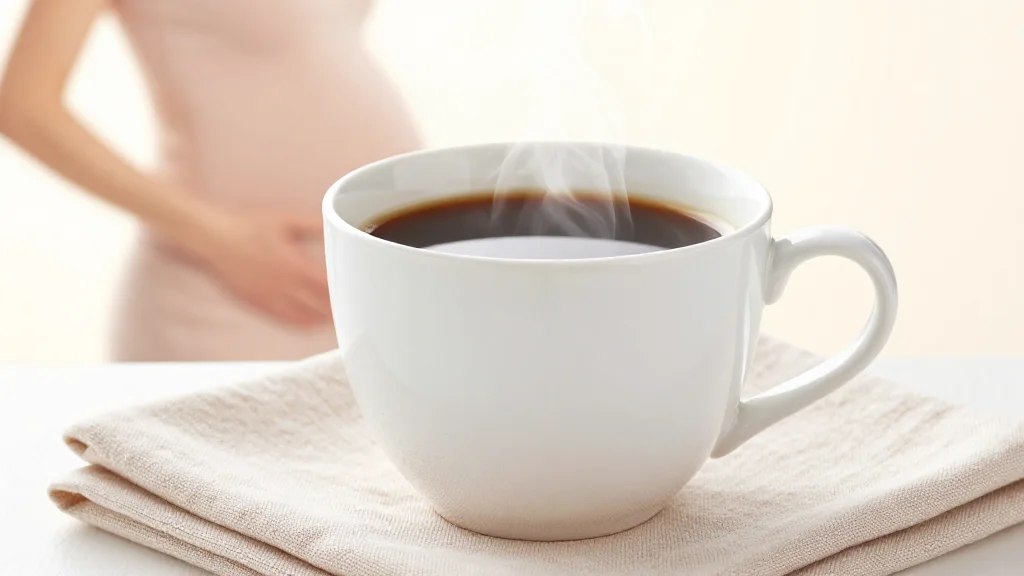
Can You Drink Coffee While Pregnant?
Why It Matters
Caffeine’s vascular‑constricting effect on the placenta can compromise fetal oxygen and nutrient delivery, making intake limits a critical public‑health guideline for expectant mothers.
Key Takeaways
- •Limit caffeine to under 200 mg daily during pregnancy.
- •12‑oz coffee contains roughly 200 mg caffeine.
- •Excess caffeine linked to miscarriage, preterm birth, low birth weight.
- •Caffeine appears in tea, soda, energy drinks, meds, chocolate.
- •Decaf, herbal tea, hot water are safe coffee alternatives.
Pulse Analysis
Pregnant consumers face a nuanced caffeine landscape. While a single 12‑ounce cup of coffee falls within the 200 mg threshold deemed safe by obstetric guidelines, the physiological rationale goes deeper: caffeine crosses the placenta and can constrict fetal blood vessels, reducing oxygen and nutrient flow. Studies linking high maternal caffeine levels to miscarriage, pre‑term delivery, and reduced birth weight underscore why clinicians stress precise limits rather than blanket bans.
Beyond coffee, everyday beverages and foods contribute to total caffeine load. Black tea delivers about 70 mg per cup, while energy drinks can match or exceed coffee’s potency. Even over‑the‑counter pain relievers and certain chocolate varieties add modest amounts. For pregnant individuals, the cumulative effect matters more than any single source, prompting healthcare providers to advise patients to track all caffeine‑containing items throughout the day.
Practical strategies help expectant mothers satisfy the ritual of a warm drink without breaching limits. Decaffeinated coffee provides the aroma and comfort with only 5‑10 mg of caffeine per serving, and mixing half decaf with regular coffee stretches intake. Herbal teas, hot cocoa, and plain hot water offer caffeine‑free alternatives, though sugar content in cocoa should be moderated. Consulting a prenatal care provider ensures personalized guidance, especially when considering less‑common substitutes like chicory coffee, which may carry additional risks. By managing caffeine sources, pregnant people can protect fetal development while still enjoying comforting beverages.
Can You Drink Coffee While Pregnant?
Comments
Want to join the conversation?
Loading comments...