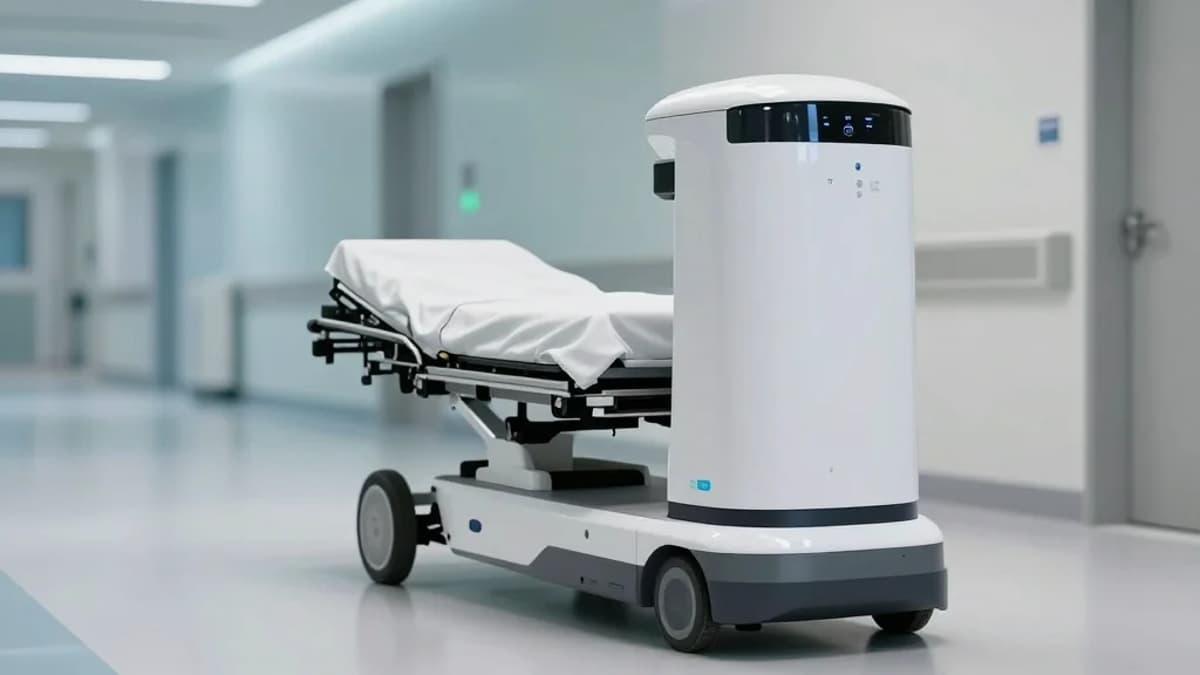
Canada’s Able Innovations Deploys Robotic System That Transfers Patients Between Beds at US Hospital
•March 4, 2026
0
Why It Matters
By automating one of the most injury‑prone tasks in acute care, the ALTA Platform could lower labor costs, enhance workforce retention and set a precedent for broader robotic adoption in U.S. hospitals.
Key Takeaways
- •First U.S. deployment of Able Innovations' ALTA Platform.
- •Automates lateral transfers, reducing staff needed from multiple to one.
- •Aims to cut musculoskeletal injuries among nurses and transport staff.
- •Supports workflow models focusing on clinical care over manual tasks.
- •Potential environmental benefit by lowering disposable transfer device waste.
Pulse Analysis
Robotic assistance is gaining traction in hospitals as administrators grapple with staff shortages and rising injury claims. Patient transfers—especially lateral moves between beds, imaging tables and operating rooms—are a leading source of musculoskeletal disorders among nurses and transport personnel. Traditional methods rely on manual lifting or single‑use friction‑reduction pads, both of which contribute to worker fatigue and generate waste. The emergence of purpose‑built platforms like Able Innovations' ALTA reflects a shift toward technology that safeguards caregivers while maintaining patient comfort.
The ALTA Platform’s debut at Lahey Hospital illustrates how a single‑operator system can streamline complex logistics. By integrating sensors, motorized rails and a user‑friendly interface, the robot lifts and slides patients laterally, freeing clinicians to focus on clinical assessment rather than physical handling. Early feedback highlights reduced transfer times and fewer staff required per move, translating into measurable efficiency gains. Moreover, the system’s ability to interface with existing hospital beds and imaging tables minimizes capital outlay, making it an attractive option for facilities seeking incremental automation without extensive infrastructure overhaul.
Beyond immediate safety and efficiency benefits, the deployment signals broader industry momentum toward sustainable, high‑impact innovations. Hospitals are increasingly evaluating the environmental footprint of disposable transfer aids, and robotic platforms offer a reusable alternative that cuts waste streams. As more institutions pilot such technologies, data on cost‑effectiveness, patient satisfaction and staff retention will inform larger rollout strategies. The ALTA case may therefore serve as a benchmark for future investments in healthcare robotics, positioning early adopters as leaders in both operational excellence and responsible stewardship.
Canada’s Able Innovations Deploys Robotic System That Transfers Patients Between Beds at US Hospital
0
Comments
Want to join the conversation?
Loading comments...