Caregivers Find Much-Needed Relief with This Unique Eldercare Solution
•February 19, 2026
0
Why It Matters
The cost‑effective, high‑trust solution lets employees maintain job performance while caring for loved ones, directly impacting corporate productivity and bottom lines. It also addresses the national shortage of home‑health aides by training the next generation of care workers.
Key Takeaways
- •Student caregivers cut home care costs by ~50%.
- •Platform matches families with vetted college students via algorithm.
- •Caregivers earn full $20/hour, keeping all earnings.
- •Employers gain productivity by supporting working caregivers.
- •Program builds future healthcare talent through hands‑on experience.
Pulse Analysis
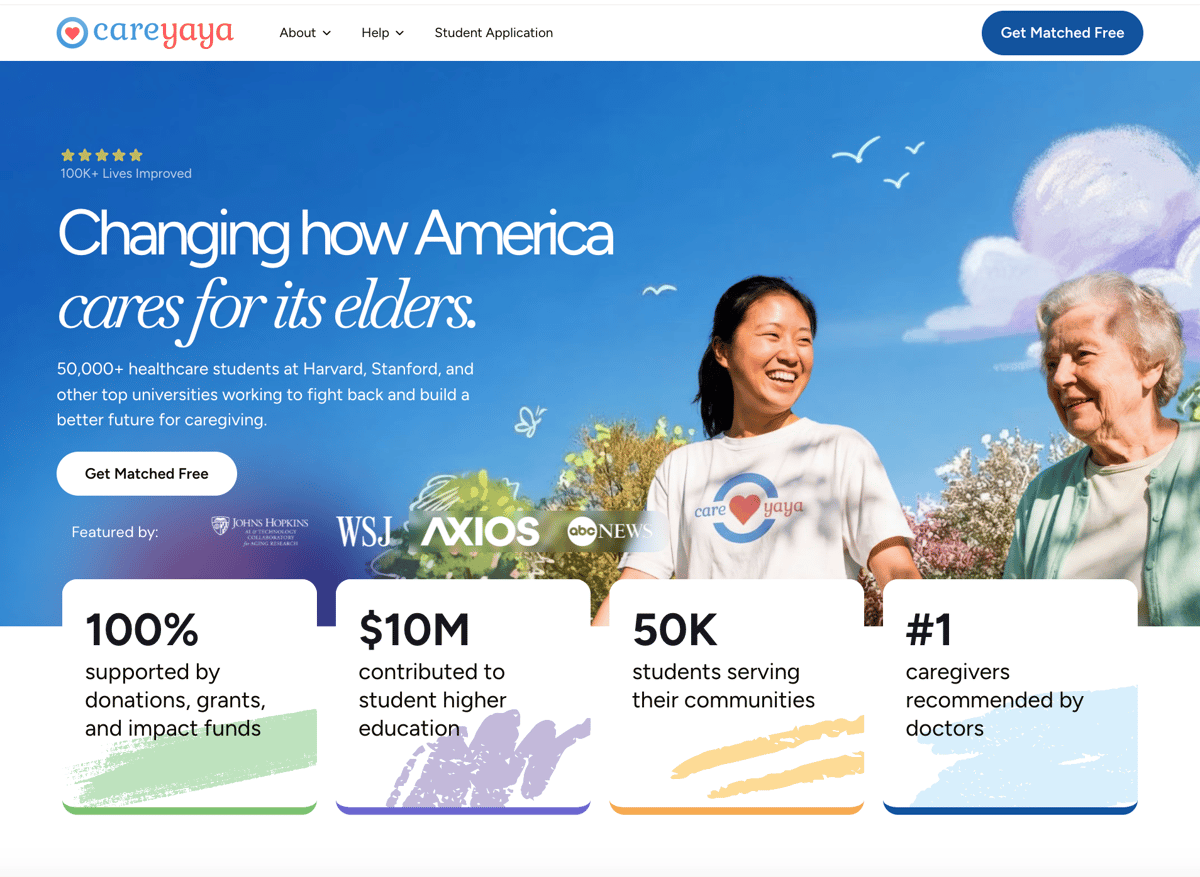
The United States faces a looming eldercare crisis: the senior population is projected to double by 2050 while the supply of professional home‑health aides remains constrained. Traditional agencies charge premium hourly rates, pushing many families toward institutional care or inadequate informal solutions. Tech‑driven platforms such as CareYaya are reshaping this landscape by leveraging the gig economy and university partnerships to create a scalable, low‑cost alternative that keeps older adults aging in place.
From a corporate perspective, the financial and productivity gains are compelling. By subsidizing or reimbursing CareYaya services, benefit managers can reduce employee absenteeism and turnover linked to caregiving stress. The roughly 50 % cost reduction translates into tangible savings for families and, indirectly, for employers who see higher engagement and lower health‑related claims. Moreover, the platform’s transparent rating system and algorithmic matching build trust, addressing a common barrier to outsourcing personal care.
Beyond immediate cost savings, the model cultivates a pipeline of future healthcare talent. Students who gain hands‑on experience develop empathy and practical skills that inform their subsequent careers as nurses, physicians, or allied health professionals. As more firms adopt similar solutions, policy makers may consider incentivizing university‑based caregiving programs, while insurers could integrate them into value‑based care frameworks. The convergence of technology, workforce development, and employee benefits positions platforms like CareYaya to become a cornerstone of modern eldercare strategy.
Caregivers find much-needed relief with this unique eldercare solution
0
Comments
Want to join the conversation?
Loading comments...