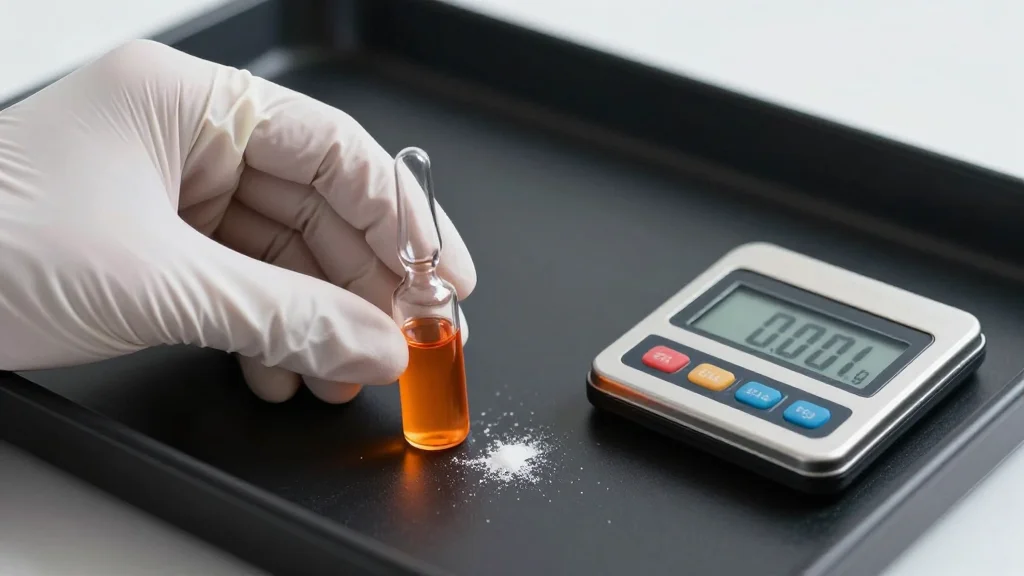
Carfentanil Seizures Jump 1,400 Times in 2025 as Traffickers Shift to Ultra‑Potent Opioid

Why It Matters
The rapid escalation of carfentanil seizures signals a dangerous evolution in the illicit opioid market. As traffickers replace fentanyl with a compound that can kill at sub‑milligram doses, existing overdose‑reversal tools like naloxone become less effective, threatening to reverse years of progress in reducing drug‑related deaths. Moreover, the shift highlights the limits of supply‑side interventions that focus solely on fentanyl precursors; without coordinated international action, cartels can pivot to even deadlier chemicals. For public‑health systems, the emergence of carfentanil demands new clinical protocols, training for first responders, and broader distribution of higher‑dose naloxone formulations. Law‑enforcement agencies must also adapt investigative techniques to detect and interdict a substance that is harder to trace and more hazardous to handle, reshaping resource allocation across federal, state, and local levels.
Key Takeaways
- •DEA labs recorded 1,400 carfentanil detections in 2025, up from 145 in 2023.
- •Carfentanil is roughly 100 times more potent than fentanyl and 10,000 times more potent than morphine.
- •Fentanyl seizures fell to about 12,000 pounds (5,443 kg) in 2025, less than half of 2023 levels.
- •DEA budget proposal adds $362 million to fight fentanyl and analog trafficking.
- •Overdose deaths have declined for over two years, but carfentanil may undermine that trend.
Pulse Analysis
The carfentanil surge reflects a classic market substitution effect: when regulators choke off one supply chain, illicit actors migrate to alternatives that preserve profit margins. The Chinese crackdown on fentanyl precursors inadvertently created a vacuum that Mexican cartels are filling with home‑grown carfentanil, a move that raises the stakes for both enforcement and public health. Historically, the U.S. response to synthetic opioids has oscillated between interdiction and treatment. The current data suggest that interdiction alone will be insufficient; the drug’s extreme potency means even minuscule quantities can cause mass casualties, overwhelming emergency services and eroding public confidence.
From a policy perspective, the $362 million DEA budget boost is a clear signal that Washington is prioritizing a more aggressive stance. However, without parallel diplomatic pressure on China to tighten controls on all precursor chemicals—not just those tied to fentanyl—the supply chain will likely adapt. International cooperation, perhaps through expanded UNODC mechanisms, could close the loopholes that allow vendors to advertise carfentanil on foreign forums.
Clinically, the rise of carfentanil forces a re‑evaluation of overdose response protocols. Standard naloxone kits may need higher‑dose formulations, and first‑responders will require training to recognize the signs of ultra‑potent opioid exposure. Failure to adapt could see a reversal of the hard‑won decline in overdose mortality, turning a public‑health victory into a new crisis within months.
Carfentanil Seizures Jump 1,400 Times in 2025 as Traffickers Shift to Ultra‑Potent Opioid
Comments
Want to join the conversation?
Loading comments...