CDC Asks For Screening Assistance As Ebola Outbreak Grows
Why It Matters
Early detection at major U.S. gateways can prevent an Ebola importation, protecting public health and averting costly containment measures. The move also highlights gaps in federal staffing for emergent disease threats.
Key Takeaways
- •CDC requests volunteer screeners at Dulles and Hartsfield airports.
- •Outbreak involves Bundibugyo Ebola, a lethal strain in Central Africa.
- •Screening aims to identify exposure before U.S. entry, limiting spread.
- •Volunteer effort reflects limited federal staffing, relying on internal resources.
- •Enhanced screening could delay flights, affecting traveler experience and commerce.
Pulse Analysis
The Bundibugyo Ebola virus, first identified in Uganda in 2007, has resurfaced with a surge of cases in the Democratic Republic of Congo and neighboring regions. Unlike the more widely known West African strain, Bundibugyo carries a mortality rate estimated at 30‑40 percent, prompting global health agencies to monitor its spread closely. Recent field reports indicate dozens of new infections over the past month, raising concerns that the virus could cross borders via international travel, especially given the high volume of passengers moving through U.S. hubs.
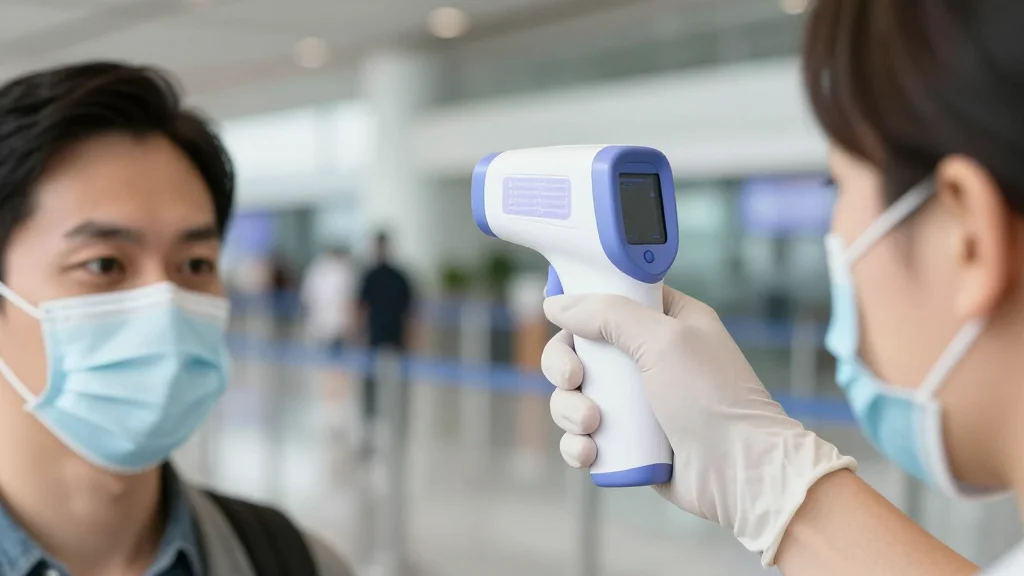
In response, the CDC has mobilized an internal volunteer program to staff screening stations at Washington Dulles International Airport and Atlanta’s Hartsfield‑Jackson, two of the nation’s busiest entry points for African travelers. Volunteers will conduct brief questionnaires and temperature checks, flagging individuals who have visited outbreak zones or shown symptoms. This approach reflects a pragmatic use of existing personnel amid budgetary constraints, but it also exposes the agency’s reliance on ad‑hoc staffing rather than a dedicated rapid‑response workforce. The initiative aligns with the CDC’s broader “detect‑isolate‑inform” framework, aiming to catch potential cases before they enter community settings.
The implications extend beyond health security. Airlines may experience minor delays as screening adds a few minutes to boarding procedures, and passengers could face increased scrutiny, affecting travel confidence. Economically, any interruption to the flow of business travelers between the U.S. and Africa could impact trade and investment pipelines. More importantly, the episode serves as a litmus test for U.S. preparedness against emerging pathogens, underscoring the need for scalable, well‑funded screening infrastructure that can be activated swiftly without over‑reliance on volunteer labor. As the situation evolves, policymakers will likely weigh the cost‑benefit of expanding permanent screening capabilities versus temporary measures.
CDC Asks For Screening Assistance As Ebola Outbreak Grows
Comments
Want to join the conversation?
Loading comments...