Why It Matters
Medetomidine’s rapid rise creates a new overdose risk that existing opioid‑reversal protocols cannot address, demanding updated clinical screening and public‑health surveillance. Its presence signals a shift in the illicit market toward more complex, multi‑drug mixtures, complicating treatment and prevention efforts.
Key Takeaways
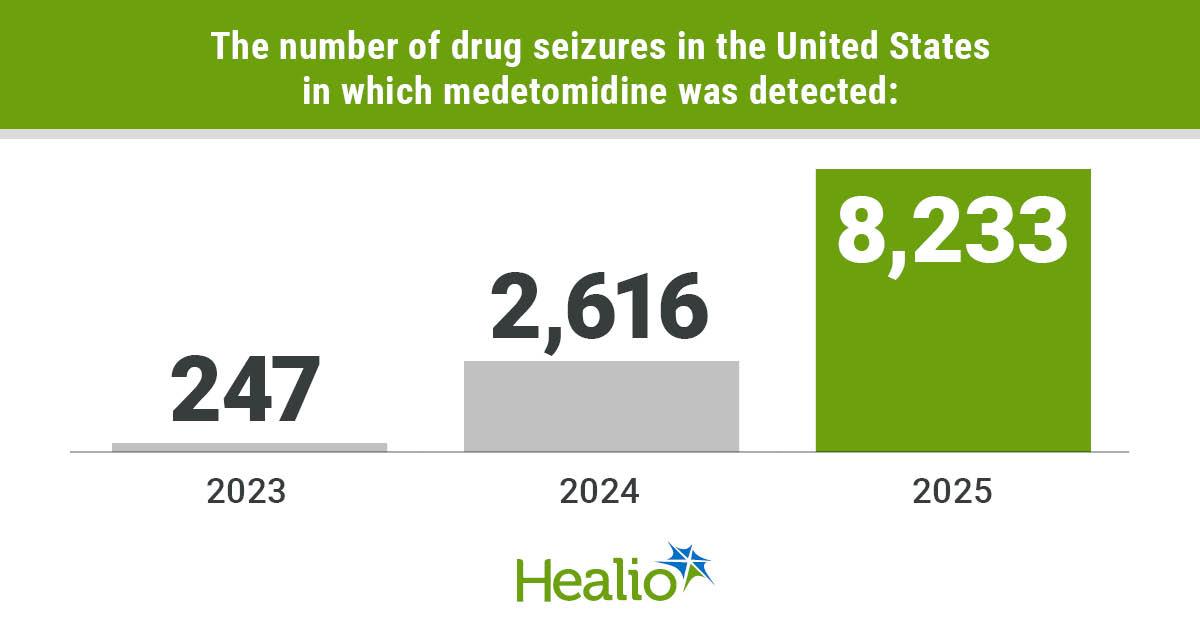
- •Medetomidine seizures rose 950% in 2024, 215% in 2025
- •Detected in 18 states, highest concentrations Northeast
- •Causes severe sedation, bradycardia, hypotension; naloxone ineffective
- •Overdose patients may need opioid reversal but not medetomidine reversal
- •CDC advises specific blood testing for medetomidine detection
Pulse Analysis
The surge of medetomidine, a veterinary alpha‑2 agonist, marks a troubling evolution in the illicit drug landscape. Initially spotted in 2021, the compound has exploded in prevalence, with forensic labs reporting thousands of new detections across the Northeast corridor. Its pharmacology—deep sedation, marked bradycardia, and rapid metabolism—creates a clinical picture that mimics opioid overdose yet resists reversal by naloxone, the standard life‑saving antidote. This mismatch forces emergency physicians to broaden toxicology panels and rely on heart‑rate cues to differentiate medetomidine toxicity from pure opioid intoxication.
From a medical standpoint, the challenge lies in both acute management and withdrawal care. While naloxone can restore breathing compromised by co‑administered fentanyl, it does nothing for the lingering sedative effects of medetomidine, leaving patients vulnerable to prolonged respiratory depression and cardiovascular instability. Withdrawal can mirror clonidine cessation, producing anxiety, hypertension and tachycardia, which complicates discharge planning. The CDC’s recommendation for targeted blood assays—rather than routine urine screens—highlights the need for precise diagnostics, as the drug’s rapid deconjugation often evades standard testing windows.
Public‑health agencies must treat the medetomidine spike as a signal of broader supply‑chain diversification. Enhanced surveillance, cross‑institution data sharing, and updated overdose‑education curricula are essential to preempt further morbidity. By integrating veterinary drug monitoring into existing forensic databases, authorities can track emerging contaminants before they become entrenched. Ultimately, a coordinated response that blends clinical vigilance with real‑time epidemiology will be critical to mitigate the growing threat posed by this non‑opioid sedative.
CDC warns of medetomidine in illicit drugs
Comments
Want to join the conversation?
Loading comments...