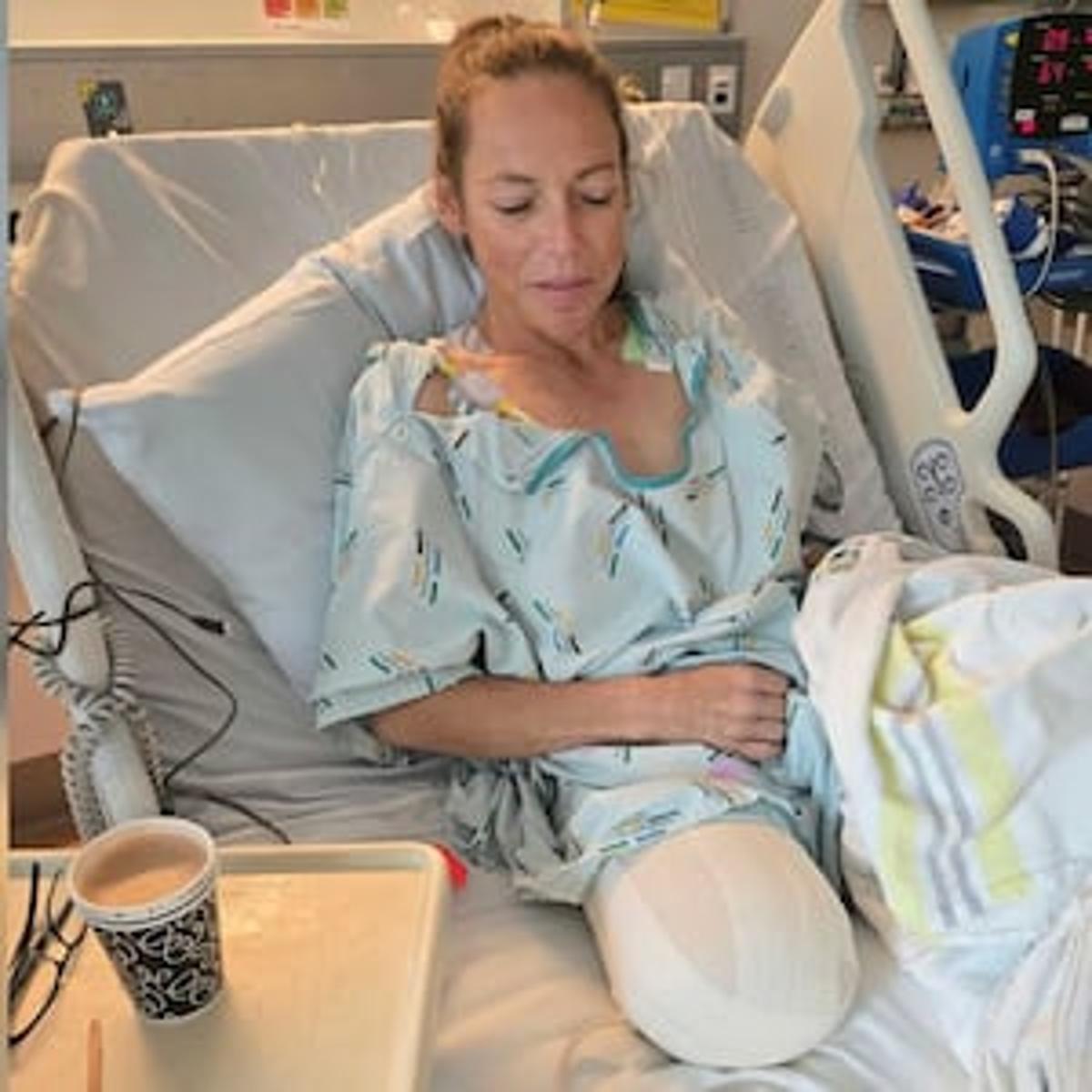
Central Hawke’s Bay Mum Has Leg Removed in Fight Against Clear Cell Sarcoma Pain
Why It Matters
The story illustrates the harsh trade‑offs between aggressive oncology treatments and quality‑of‑life decisions, while showing how patient‑driven donations can fuel research on rare, terminal cancers.
Key Takeaways
- •Alicia Brough donated her amputated leg to cancer research.
- •Keytruda treatment in Mexico triggered type 1 diabetes and liver issues.
- •Cryoablation performed alongside amputation to target residual tumor cells.
- •She expects a prosthetic leg within three months to resume sports.
- •Phantom ankle pain persists despite leg removal, affecting daily activities.
Pulse Analysis
Clear cell sarcoma is an exceptionally rare soft‑tissue malignancy, accounting for less than 1% of all cancers. When diagnosed at stage four, as in Brough’s case, the prognosis is typically poor, with median survival measured in months. Standard approaches combine wide surgical excision, radiation, and increasingly, immunotherapy agents such as Keytruda (pembrolizumab). While checkpoint inhibitors can extend survival in some solid tumours, they also carry a risk of severe immune‑related adverse events. Brough’s experience—developing type 1 diabetes and liver dysfunction after a three‑week course—underscores the need for vigilant monitoring and patient‑specific risk assessment when deploying off‑label immunotherapies abroad.
Amputation remains a last‑resort option for limb‑sparing cancers when pain, functional loss, or uncontrolled disease outweigh the benefits of limb preservation. Brough’s decision to remove her leg eliminated the primary source of excruciating pain and allowed her to regain mobility with a walker and crutches, a stark improvement over her pre‑surgery condition. However, the procedure introduced classic phantom limb phenomena, with electric‑shock sensations in a non‑existent ankle, highlighting the complex neuro‑psychological aftermath of major amputations. Rehabilitation timelines are optimistic; most patients receive a prosthetic within three to six months, enabling a return to daily activities and, in some cases, competitive sports.
The donation of Brough’s amputated limb to research is a poignant reminder of how personal sacrifice can accelerate scientific discovery. Tissue samples from rare sarcomas are scarce, and each contribution can aid molecular profiling, drug screening, and the development of targeted therapies. Moreover, her public narrative raises awareness about patient autonomy, the financial burden of cross‑border cancer care—her original $100,000 (≈ $60,000 USD) fundraising goal—and the importance of integrating palliative considerations early in treatment planning. As oncology continues to balance cutting‑edge interventions with quality‑of‑life outcomes, stories like Brough’s inform clinicians, policymakers, and fellow patients about the real‑world implications of treatment choices.
Central Hawke’s Bay mum has leg removed in fight against clear cell sarcoma pain
Comments
Want to join the conversation?
Loading comments...