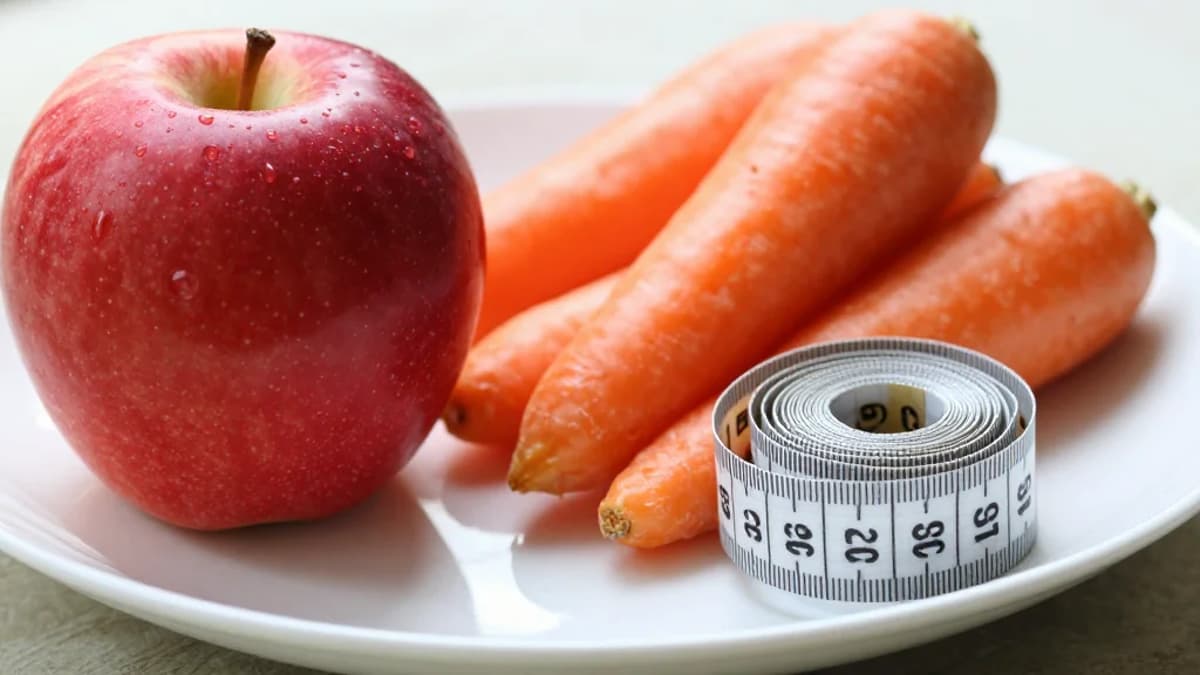
Childhood Obesity at a Record High as MAHA Presses for Changes to Kids' Diets
•March 8, 2026
0
Why It Matters
With childhood obesity now affecting more than 20% of youth, future health costs and chronic disease burden could soar, pressuring schools, insurers, and policymakers to act. The MAHA initiatives signal a potential shift in federal nutrition policy that could reshape food assistance and medical treatment for a generation.
Key Takeaways
- •Childhood obesity now exceeds 20% of U.S. youth.
- •School meal cuts during COVID linked to weight rise.
- •MAHA pushes whole‑food pyramid, limits processed foods.
- •Only nine states provide universal free school meals.
- •FDA‑approved GLP‑1 drugs usage spiked 300% in 2023.
Pulse Analysis
The CDC’s latest report confirms that childhood obesity has surged to a historic peak, with more than 20 percent of American children classified as obese between 2021 and 2023. Analysts trace much of that increase to the COVID‑19 pandemic, when school closures stripped millions of youngsters of reliable, nutritious meals provided through the National School Lunch and Breakfast Programs. Simultaneously, cuts to food‑assistance benefits reduced access to healthy options at home, creating a perfect storm that amplified weight gain across socioeconomic groups.
Against this backdrop, the Make America Healthy Again (MAHA) movement, led by HHS Secretary Robert F. Kennedy Jr., is pushing a radical redesign of the federal food pyramid. The new model flips traditional hierarchies, placing vegetables, fruits, proteins, dairy and healthy fats at the top while relegating whole grains and ultra‑processed foods to the bottom. Policy proposals include expanding universal free school meals—currently available in only nine states—and mandating 40 hours of nutrition education for all medical students starting in 2026. If enacted, these steps could realign federal nutrition programs with evidence‑based dietary guidelines.
Pharmacological options are also entering the debate. Since the FDA approved GLP‑1 agonists for adolescents, prescriptions for weight‑loss drugs rose 300 percent in 2023, though only half a percent of obese teens receive them. Clinicians argue that drugs should complement, not replace, preventive measures such as increased recess time—currently mandated in just 12 states—and school‑based physical‑activity curricula. By coupling healthier meals, more movement, and targeted medical therapy, policymakers hope to reverse the obesity trajectory before it translates into higher rates of diabetes, heart disease, and associated health‑care costs.
Childhood obesity at a record high as MAHA presses for changes to kids' diets
0
Comments
Want to join the conversation?
Loading comments...