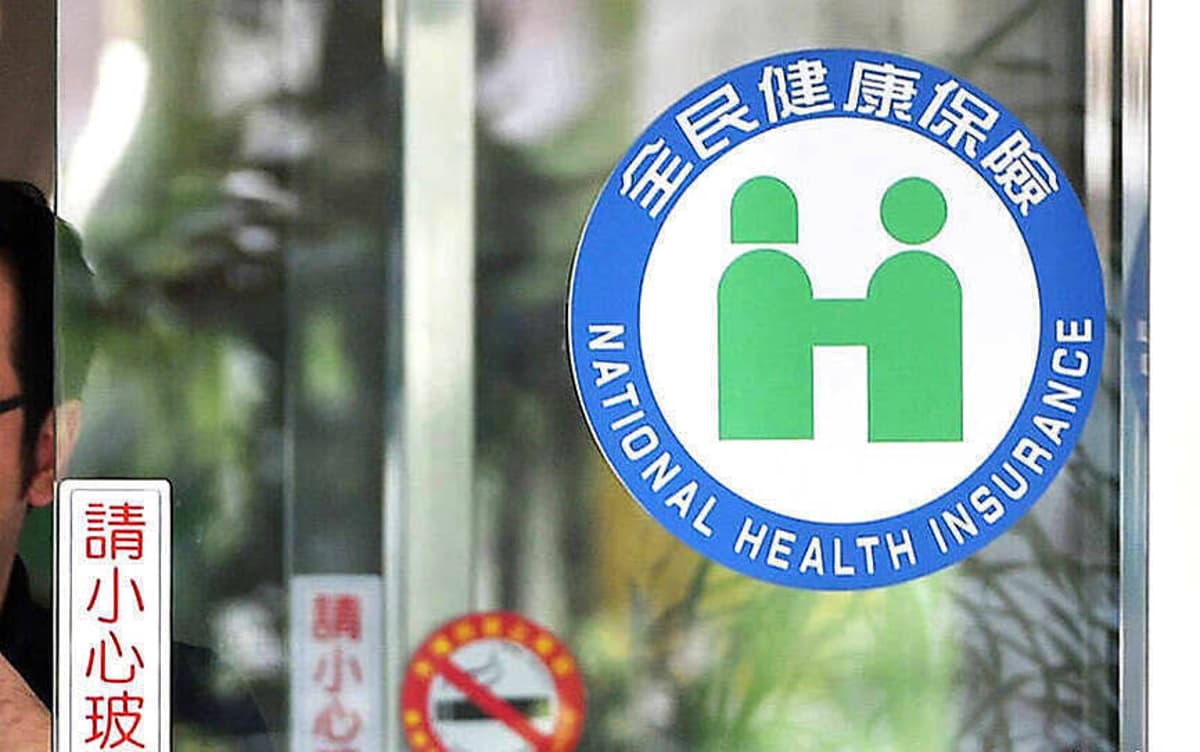
Chinese Spouse Can Work at NHIA with Restrictions
Why It Matters
The ruling illustrates Taiwan's effort to balance inclusive talent policies with stringent security safeguards, setting a precedent for how dual‑national civil servants are handled in sensitive sectors.
Key Takeaways
- •Chinese spouse eligible for NHIA role under civil service rules
- •Must avoid positions involving national security or classified data
- •Dual nationals can serve if foreign citizenship renounced before appointment
- •Mainland Affairs Council consulted on appointment guidelines
- •Restrictions aim to prevent potential data infiltration from China
Pulse Analysis
Taiwan’s civil service framework has long grappled with the complexities of dual nationality, especially for individuals from the mainland. Article 28 of the Civil Service Employment Act provides a pathway for foreign‑national holders to enter public roles, provided they can relinquish their non‑Taiwan citizenship before assuming duties. This legal nuance allows the government to tap into qualified talent while maintaining a clear procedural standard, a balance that becomes increasingly relevant as cross‑strait mobility rises.
Security considerations sit at the heart of the NHIA decision. Health data, even when deemed non‑classified, can reveal patterns that are strategically valuable. By restricting the Chinese spouse to non‑sensitive functions, Taiwan mitigates the risk of inadvertent data leakage without entirely barring the individual from contributing to public service. This measured approach reflects broader trends in democratic societies where the protection of national secrets is weighed against the benefits of a diversified workforce.
The broader implication extends to cross‑strait relations and talent acquisition strategies. As Taiwan seeks to retain competitive public institutions, clear guidelines on dual‑national appointments can reassure both domestic stakeholders and international partners. Future policy may evolve to include more granular risk assessments, potentially opening additional sectors to qualified individuals while preserving core security interests. This case thus serves as a benchmark for how Taiwan can navigate the intersection of inclusivity, legal compliance, and national security in an increasingly interconnected region.
Chinese spouse can work at NHIA with restrictions
Comments
Want to join the conversation?
Loading comments...