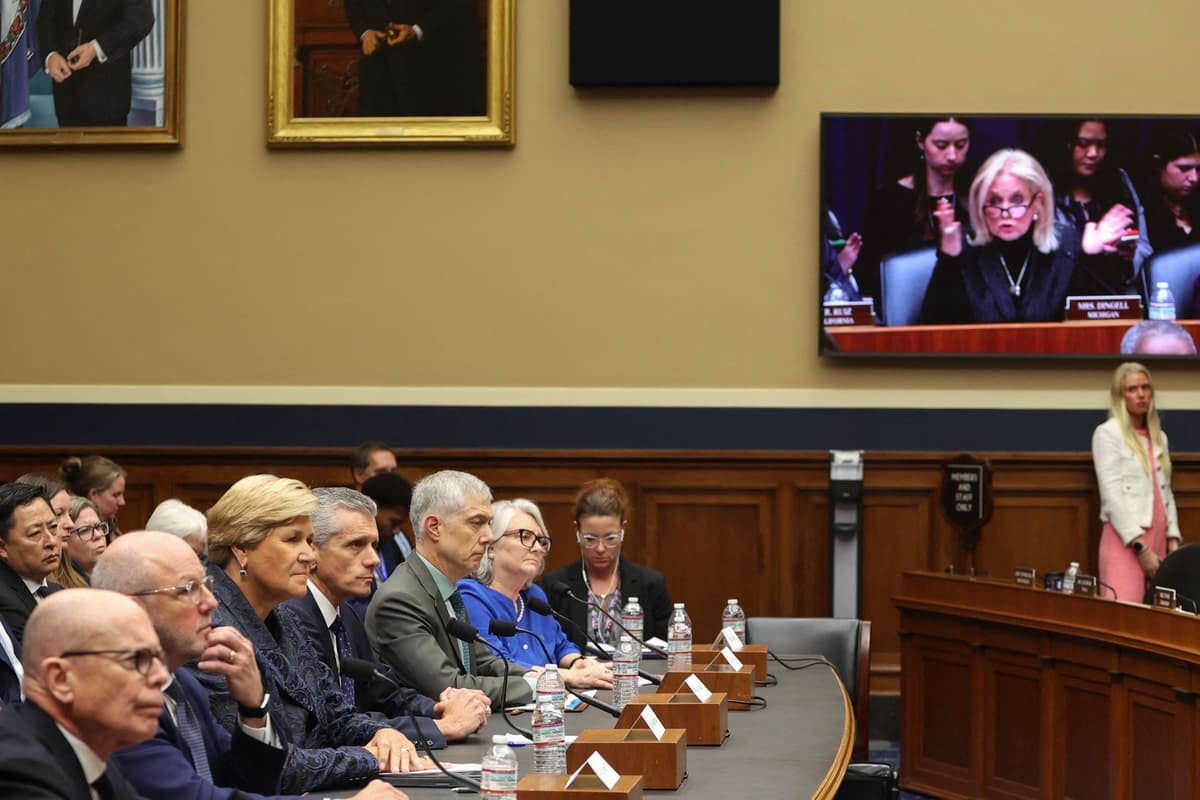
Cigna CEO’s Departure Is The Latest Among Top Health Insurers
•March 3, 2026
0
Why It Matters
Leadership turnover and regulatory headwinds signal a pivotal shift in the U.S. health‑insurance landscape, affecting profitability and strategic direction for the sector’s largest players.
Key Takeaways
- •Cigna CEO Cordani retiring after 17 years, replaced by Evanko
- •PBM reforms threaten profit margins for top insurers
- •Medicare Advantage costs prompting exits and strategic shifts
- •CEO turnover rises across top five health insurers
- •Industry pledges to simplify prior authorizations amid regulation
Pulse Analysis
The health‑insurance market is entering a period of unprecedented change, driven by both executive churn and policy reform. Cigna’s leadership transition reflects a broader pattern: UnitedHealth, CVS Health, Humana and Elevance have all seen CEOs step down amid volatile stock performance and shifting business models. New leaders inherit a landscape where pharmacy‑benefit‑manager regulations, recently tightened by Congress, could erode a key revenue stream, while Medicare Advantage’s rising claim costs force insurers to reassess their core offerings.
Regulatory pressure is reshaping profit dynamics across the sector. The bipartisan PBM overhaul aims to increase transparency and curb drug‑price inflation, but it also threatens the margins of insurers that rely heavily on Express Scripts‑type operations. Concurrently, the federal government’s reluctance to raise Medicare Advantage payments adds cost‑containment challenges, prompting moves like Cigna’s $3 billion exit from the Medicare business. These policy shifts compel insurers to diversify, emphasizing direct care services, specialty pharmacy, and technology‑enabled care coordination to sustain growth.
Strategic realignment extends beyond compliance, as companies pursue operational efficiency and consumer‑centric models. Humana’s partnership with Cost Plus Drugs and Elevance’s rebranding of services under the Carelon umbrella illustrate a push toward simplifying the patient experience and reducing administrative friction. While the industry’s pledge to streamline prior authorizations signals a commitment to accountability, the ultimate impact on earnings and share performance remains uncertain. Stakeholders will watch closely as new CEOs navigate regulatory constraints while seeking to restore investor confidence.
Cigna CEO’s Departure Is The Latest Among Top Health Insurers
0
Comments
Want to join the conversation?
Loading comments...