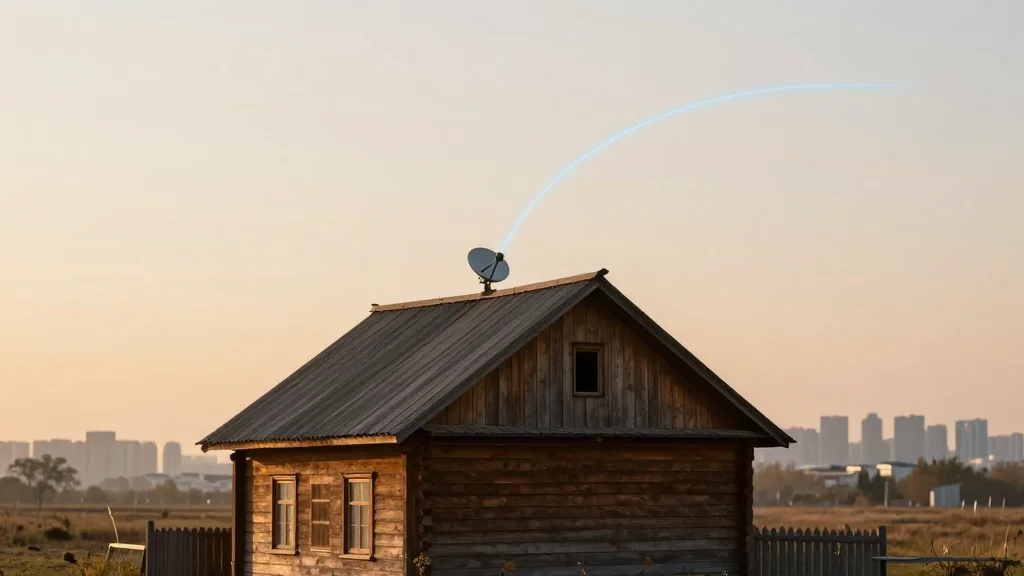
Clinical Practice Telepsychiatry Expansion Showed Limited Gains in Reaching Rural, Underserved Patients
Why It Matters
Telepsychiatry is a critical tool for addressing the national mental‑health provider shortage; its limited reach in rural areas means disparities in care will endure without targeted policy and infrastructure interventions.
Key Takeaways
- •Telepsychiatry visits grew 12% nationwide in 2025.
- •Rural patients accounted for only 8% of telepsychiatry sessions.
- •Broadband gaps remained primary barrier for underserved communities.
- •Reimbursement parity varied across states, limiting provider adoption.
- •Hybrid care models showed higher engagement than pure virtual visits.
Pulse Analysis
The surge in telepsychiatry over the past two years reflects a broader shift toward digital health solutions spurred by the pandemic and ongoing clinician shortages. By leveraging video platforms, health systems have been able to extend specialty mental‑health services to patients who would otherwise face long travel times or waitlists. The JAMA Network Open study quantifies this growth, noting a 12% increase in virtual visits across Medicare beneficiaries, signaling that both patients and providers are increasingly comfortable with remote care.
Despite the overall uptick, the data reveal a stark urban‑rural divide. Only 8% of telepsychiatry encounters involved patients from rural counties, a figure that lags far behind the 20% share of the U.S. population residing in those areas. Limited broadband availability remains the most cited obstacle, compounded by a patchwork of state reimbursement policies that fail to guarantee parity with in‑person rates. Consequently, many clinicians hesitate to invest in the necessary technology or to market services to low‑density regions, perpetuating the access gap.
Policymakers and health‑system leaders can narrow this divide by prioritizing broadband expansion, standardizing reimbursement across states, and incentivizing hybrid care models that combine virtual and face‑to‑face interactions. Such approaches have already shown higher engagement rates, suggesting that a blended strategy may be more effective than pure telehealth. As mental‑health demand continues to outpace supply, targeted investments will be essential to ensure telepsychiatry fulfills its promise of equitable access nationwide.
Clinical Practice Telepsychiatry Expansion Showed Limited Gains in Reaching Rural, Underserved Patients
Comments
Want to join the conversation?
Loading comments...