Cognitive Impairment Risks Rise with CKD Progression
•March 9, 2026
0
Why It Matters
Identifying renal markers that predict dementia enables earlier intervention, potentially reducing morbidity and healthcare costs in a high‑risk population.
Key Takeaways
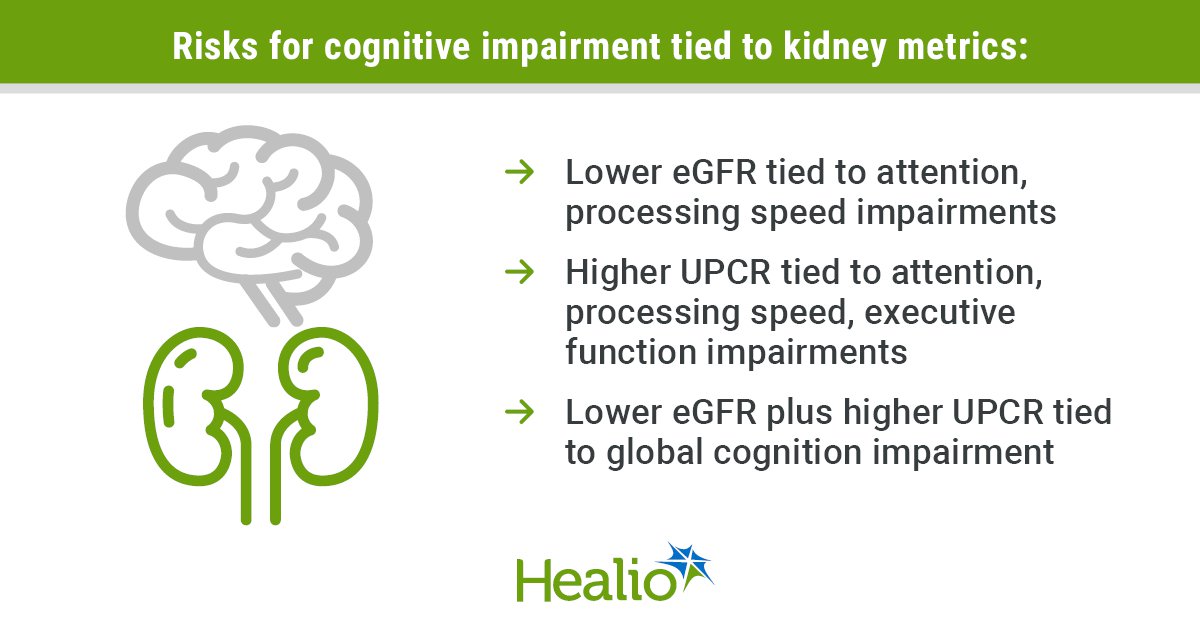
- •Lower eGFR raises attention/processing speed impairment risk
- •High proteinuria (UPCR) predicts executive function decline
- •eGFR <30 mL/min/1.73 m² doubles cognitive risk
- •Combined low eGFR and high UPCR worsens global cognition
- •Cognitive screening recommended for advanced CKD patients
Pulse Analysis
Chronic kidney disease affects roughly 10 % of adults worldwide, yet its impact on brain health has remained under‑appreciated. The new analysis of the Chronic Renal Insufficiency Cohort provides robust evidence that traditional renal metrics—eGFR and proteinuria—are not merely markers of kidney function but also powerful predictors of cognitive decline. By tracking over 5,600 participants across a median six‑year follow‑up, the researchers quantified hazard ratios that link each standard‑deviation decrease in eGFR and each increase in UPCR to measurable deficits in attention, processing speed, and executive function. These findings reinforce the notion that renal deterioration and neurodegeneration share common vascular pathways.
Mechanistically, proteinuria reflects endothelial injury in the glomerular filtration barrier, a condition that often mirrors microvascular damage throughout the body, including cerebral small vessels. This microvascular compromise can impair cerebral perfusion, leading to the observed deficits in executive tasks and processing speed. Clinicians therefore face a dual imperative: managing kidney disease while monitoring cognitive trajectories. Integrating routine neurocognitive assessments into CKD care—especially for patients with eGFR < 60 mL/min/1.73 m² or UPCR ≥ 150 mg/g—could enable timely referrals to neurology or geriatric services, improving patient outcomes and potentially slowing progression to dementia.
Looking ahead, the study highlights critical gaps in our understanding of the molecular bridges between renal dysfunction and brain injury. Future research should explore biomarkers of vascular inflammation, novel imaging techniques, and therapeutic agents that target proteinuria‑driven endothelial stress. Policymakers and health systems might consider incentivizing multidisciplinary clinics that combine nephrology, neurology, and primary care expertise. As the population ages, aligning kidney and brain health strategies will be essential to curb the growing burden of cognitive impairment among CKD patients.
Cognitive impairment risks rise with CKD progression
0
Comments
Want to join the conversation?
Loading comments...